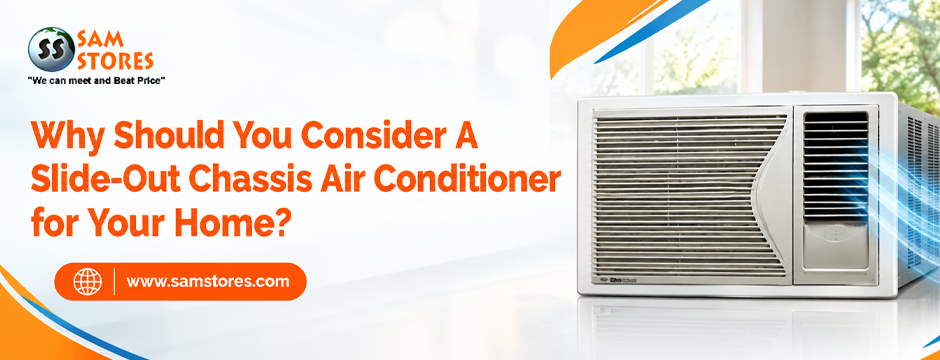
220 Volt Heat And Air Window Unit: How to Choose The Right One for Powerful Year-Round Comfort?

A few summers ago, a homeowner upgraded to a larger living space, expecting more comfort and freedom. However, something unexpected happened. The existing cooling system struggled to keep the room comfortable. Summers felt warmer, winters felt colder, and energy bills started climbing.

This situation is more common than many people realize. Larger rooms, garages, apartments, workshops, and commercial spaces often require more power than standard air conditioners can deliver. That is where a 220-volt heat and air window unit becomes a practical solution.

Instead of installing expensive central HVAC systems, many homeowners prefer powerful window units that both cool and heat effectively. However, choosing the right model requires understanding room size, energy needs, and essential features.

This guide explains everything buyers should know before investing in a high-performance unit that keeps spaces comfortable throughout the year.

Why Are More People Choosing 220 Volt Window Units?

Not every room responds well to standard cooling systems. Some spaces require stronger airflow and better temperature control.

Traditional 110V air conditioners often struggle in:

  • Large bedrooms
  • Open living areas
  • Workshops and garages
  • Offices and retail spaces
  • Apartments with poor airflow

A 220-volt heat and air window unit delivers greater cooling and heating power, making it ideal for demanding environments.

Unlike smaller systems, these units are designed to handle larger square footage while maintaining consistent temperatures.

What Makes A 220 Volt Unit Different?

The biggest difference lies in power capacity.

A 220V system typically provides higher BTU output compared to standard units. This means better performance in larger spaces without overworking the system.

For many households, a 220-volt air conditioner with heat eliminates the need for separate heating devices during colder months. Instead of purchasing additional equipment, one unit handles both cooling and warmth.

This dual functionality often makes them more cost-effective over time.

Is A 220 Volt Window AC Right for Your Space?

Imagine entering a room during peak summer heat and instantly feeling relief. Now imagine that same room staying comfortably warm during winter.

That level of consistency matters, especially in spaces where people spend long hours.

A 220-volt window AC may be the right choice if:

How The Braun 220 Volt Hair Dryer Redefines Everyday Glamour_

Your Room Is Larger Than Average

Large rooms require stronger airflow and better temperature distribution. Smaller AC units often cycle continuously, increasing electricity consumption while still failing to cool properly.

You Need Heating & Cooling Together

Seasonal temperature changes create challenges. Buying separate systems increases both upfront costs and maintenance. A 220-volt air conditioner window unit provides year-round functionality in one compact system.

You Want Better Energy Efficiency

Although more powerful, many modern units are designed to optimize electricity usage. Energy-saving settings, programmable thermostats, and smart controls help reduce operating costs.

How to Choose The Right 220 Volt Heat And Air Window Unit?

Choosing an air conditioning system should never feel rushed. The right investment improves comfort for years.

Here are the most important factors to consider.

1. Match the BTU to Your Room Size

BTU capacity determines how effectively the unit heats and cools.

A small room does not require the same output as a workshop or living area.

General recommendations include:

  • 350–550 sq. ft.: 12,000–14,000 BTU
  • 550–1,000 sq. ft.: 18,000–24,000 BTU
  • Larger commercial areas: 24,000+ BTU

Choosing the wrong size reduces efficiency and increases wear.

2. Prioritize Heating Performance

Many buyers focus only on cooling. However, heating performance matters equally.

A reliable 220-volt heat and air window unit should provide consistent warmth during colder months without excessive energy consumption.

Look for models with:

  • Supplemental heating mode
  • Adjustable thermostats
  • Multiple fan speeds
  • Auto temperature controls

These features improve comfort and efficiency.

3. Check Energy Efficiency Ratings

Nobody wants an uncomfortable electricity bill. Modern systems often include energy-saving modes that maintain temperature while reducing power consumption.

Features worth considering include:

  • Energy Saver Mode
  • Sleep Mode
  • Programmable Timers
  • Smart Temperature Sensors

These additions improve convenience while controlling monthly costs.

4. Consider Installation Requirements

Before purchasing, verify electrical compatibility. Since these systems require higher voltage, proper outlets are essential. A licensed technician may be needed in some situations.

Checking installation requirements early prevents costly surprises later.

Common Buying Mistakes to Avoid

Many buyers regret purchases because they overlook essential factors.

Here are some common mistakes:

Choosing Based on Price Alone

Lower-priced systems may lack durability or heating efficiency. A slightly higher investment often delivers better long-term value.

Ignoring Room Size

Oversized units cycle too quickly. Undersized units struggle continuously. Both situations reduce efficiency and comfort.

Forgetting Noise Levels

Bedrooms, offices, and study areas benefit from quieter operation. So, look for units designed with low-noise functionality.

Overlooking Smart Features

Wi-Fi controls, digital thermostats, and remote operation simplify daily use. These features often make comfort management much easier.

Why Year-Round Comfort Is Important?

Modern homes are no longer used only for relaxing. Many people now work remotely, run businesses, or spend more time indoors.

Comfort directly affects productivity, sleep quality, and daily well-being.

Imagine trying to focus in a hot office during summer or waking up cold during winter. Small discomforts eventually become major frustrations. A properly selected 220-volt heat and air window unit solves these challenges while maintaining reliable indoor comfort throughout the year.

Why Many Buyers Trust Sam Stores?

When purchasing home appliances online, buyers often want reliability as much as performance.

Sam Stores has built a reputation for offering quality appliances suited for modern homes and workspaces. Customers looking for durable climate control solutions often prefer retailers that provide dependable products, variety, and expert guidance.

Whether upgrading an existing setup or choosing a first system, finding the right unit becomes easier with access to trusted options and practical support.

How to Maintain Your Window Unit for Better Performance?

Even premium systems require proper maintenance. Simple care habits improve efficiency and extend lifespan.

Clean Filters Regularly

Dust buildup affects airflow and performance. Monthly cleaning helps maintain consistent heating and cooling.

Inspect the Exterior Unit

Outdoor exposure may collect debris over time. Keeping vents clear improves efficiency.

Check Temperature Settings

Constantly adjusting temperatures increases system strain. Maintaining stable settings often improves energy savings.

Schedule Seasonal Maintenance

Occasional professional servicing helps identify issues before they become expensive problems. Preventive care keeps systems running smoothly for years.

End Note

Choosing the right cooling and heating system is about more than convenience. It directly affects comfort, energy costs, and daily living quality.

A well-selected 220-volt heat and air window unit provides powerful performance for larger spaces while eliminating the need for separate seasonal appliances. By understanding room size, efficiency, and essential features, buyers can make smarter long-term decisions.

Whether cooling during summer or staying warm in winter, investing in the right system ensures consistent comfort. With trusted appliance options available through Sam Stores, finding dependable climate solutions becomes a much easier experience.

Frequently Asked Questions

What is a 220-volt heat and air window unit used for?

It is designed to cool and heat larger spaces efficiently using a higher-voltage power source.

Is a 220-volt air conditioner with heat better for large rooms?

Yes. These units generally offer higher BTU capacity, making them more effective in larger areas.

Can a 220-volt air conditioner window unit replace central heating?

In some spaces, yes. A 220-volt air conditioner window unit can effectively heat and cool individual rooms without a central HVAC.

Does a 220-volt window AC consume more electricity?

It uses more power but often cools and heats faster, which can improve overall efficiency.

How long does a 220V window unit usually last?

With proper maintenance, many units perform efficiently for 10–15 years.

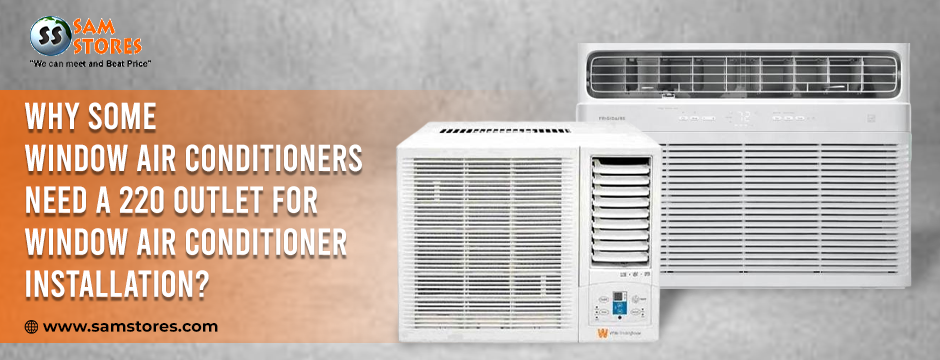
Why Some Window Air Conditioners Need A 220 Outlet for Window Air Conditioner Installation?

A homeowner finally purchases a powerful window air conditioner after weeks of comparing features, cooling capacity, and energy ratings. Everything seems ready for installation until an unexpected issue appears—the unit requires a different electrical outlet.

This situation is more common than many people realize. Many homeowners assume all window air conditioners use standard household plugs. However, larger cooling units often require a 220 outlet for window air conditioner installation to operate safely and efficiently.

Understanding why certain air conditioners need special outlets can prevent installation delays, electrical problems, and unnecessary expenses. This guide explains how these systems work, when special outlets become necessary, and what homeowners should know before purchasing a unit.

Why Don’t All Window Air Conditioners Use Standard Outlets?

Most small appliances operate on standard 110-120 volt household outlets. Smaller window air conditioners also follow this setup because they consume less power.

However, larger air conditioning systems require significantly more electricity to cool bigger spaces effectively. Standard outlets cannot safely handle this increased electrical demand.

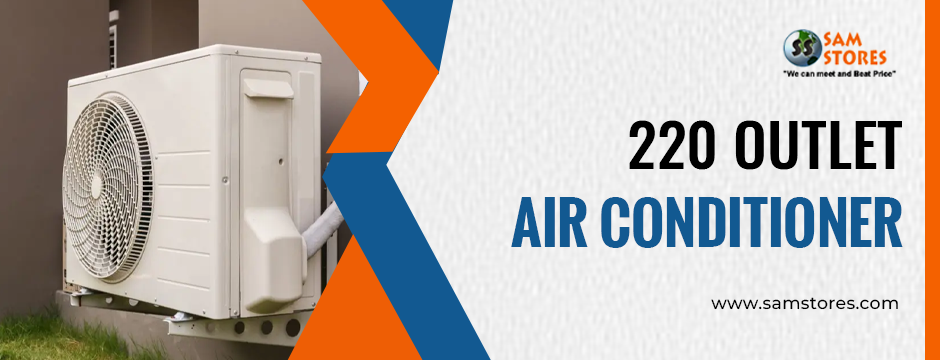
That is why high-capacity units often rely on a 220-volt outlet air conditioner setup. These outlets provide higher voltage, allowing the system to operate more efficiently without overloading household circuits.

What Is A 220-Volt Outlet?

A 220-volt outlet delivers more electrical power than standard outlets. It is commonly used for appliances requiring high energy consumption.

Examples include:

  • Electric dryers
  • Ovens
  • Water heaters
  • Large air conditioners

Unlike regular outlets, 220-volt outlets are designed to support heavy electrical loads safely.

For homeowners installing powerful cooling systems, this setup becomes essential for stable performance and long-term safety.

How Does Voltage Affect Air Conditioner Performance?

Voltage directly impacts how efficiently an air conditioner operates. Larger units require more power to run compressors, fans, and cooling components.

A standard outlet may struggle to support these demands, leading to:

  • Frequent breaker trips
  • Reduced cooling efficiency
  • Overheating wires
  • Potential electrical hazards

A 220 outlet for window air conditioner installation ensures the unit receives the power it needs without stressing the electrical system.

Which Window Air Conditioners Usually Need A 220-Volt Outlet?

Not every window AC requires special wiring. The need depends primarily on cooling capacity and energy demand.

Smaller Units

Units designed for compact rooms usually operate on standard outlets. These models typically range between 5,000 and 12,000 BTUs.

Larger Cooling Systems

Air conditioners with higher BTU ratings often require a 220-volt setup.

For example:

  • Larger living room units
  • Multi-room cooling systems
  • Heavy-duty cooling appliances

A 220-volt 18000 BTU air conditioner commonly falls into this category because it requires more electrical power for effective cooling.

Why Do Powerful Air Conditioners Require More Electricity?

Cooling larger spaces demands stronger compressors and motors. These components consume substantial electricity during operation.

Higher voltage allows the system to transfer power more efficiently while reducing strain on electrical wiring.

This setup offers several advantages:

  • Better cooling performance
  • Reduced energy loss
  • Improved operational stability
  • Lower risk of overheating

For homeowners investing in larger systems, a dedicated outlet becomes a practical necessity rather than an optional feature.

Signs Your Air Conditioner May Need A Special Outlet

Many homeowners discover electrical requirements only after purchasing a unit. Fortunately, several indicators can help identify this earlier.

High BTU Ratings

Units above 15,000 BTUs often require 220-volt outlets.

Large Plug Configuration

If the plug appears different from standard appliances, it likely requires specialized electrical support.

Manufacturer Specifications

Product manuals clearly state voltage requirements. Checking specifications before purchase helps avoid installation issues.

Dedicated Circuit Recommendations

Many manufacturers recommend dedicated circuits for larger systems to improve safety and efficiency.

What Happens If You Use The Wrong Outlet?

Using an incompatible outlet can create serious problems.

  • Circuit Breaker Trips

The system may repeatedly overload the circuit, causing breakers to shut off power.

  • Electrical Damage

Improper voltage can damage internal air conditioner components over time.

  • Fire Hazards

Overloaded wiring increases the risk of overheating and electrical fires.

  • Reduced Cooling Efficiency

The air conditioner may struggle to operate properly, reducing overall performance.

Installing a proper 220 outlet for window air conditioner systems helps prevent these risks while ensuring stable operation.

Do You Need An Electrician for Installation?

In most cases, yes. Installing a 220-volt outlet involves electrical work that should be handled professionally.

Licensed electricians ensure:

  • Proper wiring installation
  • Safe circuit capacity
  • Compliance with electrical codes
  • Reduced safety risks

Attempting DIY electrical modifications without expertise can be dangerous and costly.

Understanding Amperage in Air Conditioners

Voltage is not the only factor homeowners should consider. Amperage also plays a critical role.

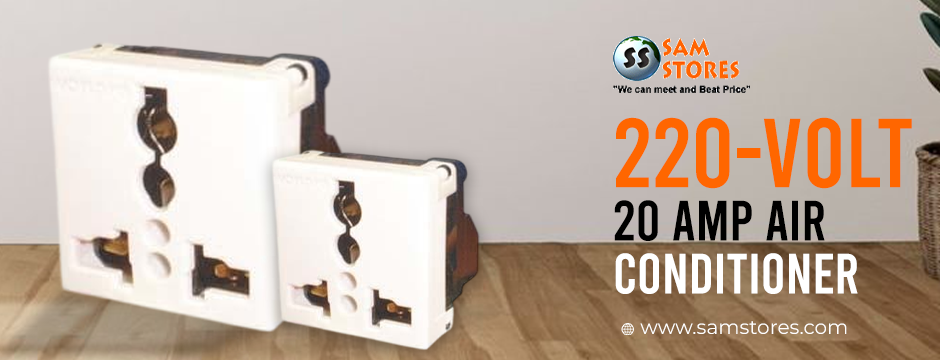
Some larger systems, including a 220-volt 20 Amp air conditioner, require circuits designed to handle higher electrical current safely.

If the circuit cannot support the required amperage, performance issues and safety risks may occur.

This is why professional evaluation before installation is strongly recommended.

How The Braun 220 Volt Hair Dryer Redefines Everyday Glamour_

How to Prepare Your Home for A 220-Volt Air Conditioner?

Proper preparation simplifies installation and improves long-term performance.

Check Existing Electrical Setup

Some homes already include 220-volt outlets for appliances like dryers. However, compatibility still requires professional verification.

Review Product Specifications

Always confirm voltage and amperage requirements before purchasing an air conditioner.

Plan Outlet Placement

Proper outlet placement improves installation convenience and reduces extension cord usage.

Hire Qualified Professionals

Professional installation ensures compliance with safety standards and protects your investment.

Energy Efficiency Benefits of 220-Volt Air Conditioners

Many homeowners assume higher voltage automatically means higher electricity bills. However, this is not always true.

A properly installed 220-volt outlet air conditioner often operates more efficiently than overloaded lower-voltage systems.

Benefits may include:

  • Faster cooling performance
  • Reduced strain on components
  • More stable energy consumption
  • Improved lifespan of the appliance

Efficiency depends on selecting the right unit for the space rather than simply choosing the most powerful option.

Choosing The Right Window Air Conditioner for Your Home

Selecting the right unit requires balancing room size, cooling needs, and electrical compatibility.

  • Consider Room Size

Larger spaces require higher BTU ratings for effective cooling.

  • Evaluate Electrical Capacity

Ensure the home’s electrical system can support the unit safely.

  • Prioritize Energy Efficiency

Modern systems with energy-saving features reduce long-term operating costs.

  • Buy from Reliable Retailers

Trusted sellers provide accurate product information and reliable customer support.

At Sam Stores, homeowners can explore a wide range of electronic appliances designed to match different household requirements and budgets.

Common Misconceptions about 220-Volt Air Conditioners

“They Always Use More Electricity”

Higher voltage does not automatically mean excessive energy consumption. Efficient systems often perform better while using energy more effectively.

“Only Commercial Buildings Need Them”

Many residential properties use 220-volt systems for larger appliances, including air conditioners.

“Installation Is Extremely Complicated”

Professional electricians can typically complete installations efficiently when the home’s electrical system supports it.

Should You Upgrade to A Larger Window AC?

If smaller units struggle to cool the space effectively, upgrading may improve comfort and efficiency.

Signs an upgrade may help include:

  • Uneven room temperatures
  • Constant AC operation without sufficient cooling
  • Increased humidity indoors
  • Rising energy bills despite poor performance

In many cases, larger systems paired with proper electrical setups deliver better long-term value.

End Note

Understanding electrical requirements before purchasing an air conditioner helps homeowners avoid unnecessary complications. Larger systems often need a 220 outlet for window air conditioner installation because they require greater electrical capacity for safe and efficient operation.

From cooling performance to long-term safety, the right electrical setup makes a significant difference. Choosing compatible systems and professional installation protects both the appliance and the home.

For homeowners planning an upgrade, exploring reliable, high-performance options through Sam Stores can make the buying process smoother, safer, and more informed.

FAQs

Why does my window air conditioner need a 220-volt outlet?

Larger air conditioners require more electrical power for efficient operation. A 220 outlet for a window air conditioner safely supports this demand.

Can I plug a 220-volt air conditioner into a regular outlet?

No. Using the wrong outlet can damage the unit and create electrical safety hazards.

Does a 220-volt air conditioner cool better?

Higher-voltage systems often support larger cooling capacities, making them more effective for bigger spaces.

What size air conditioner usually needs a 220 outlet?

Units above 15,000 BTUs commonly require 220-volt outlets, including many 220-volt 18000 BTU air conditioner models.

Is professional installation necessary?

Yes. Licensed electricians ensure safe installation and compliance with electrical regulations.

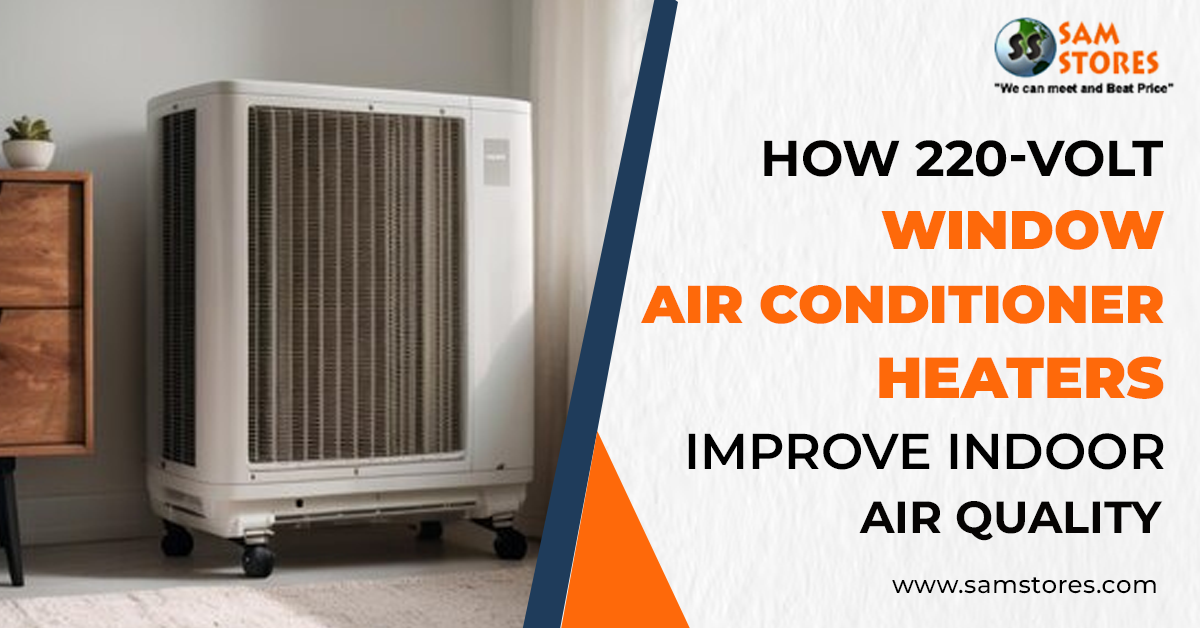
How 220-Volt Window Air Conditioner Heaters Improve Indoor Air Quality

Maintaining indoor air quality (IAQ) is essential to keeping a home or apartment healthy. With many people spending a significant portion of their day indoors, the quality of the air we breathe has a direct impact on our health and well-being. One way to enhance indoor air quality is through the use of 220-volt window air conditioner heaters. These appliances not only provide cooling and heating but also contribute to a healthier indoor environment. This blog delves into the various ways in which window air conditioner heaters improve indoor air quality.

Understanding Indoor Air Quality

Before exploring how 220-volt window air conditioner heaters impact air quality, it’s essential to understand what indoor air quality entails. IAQ refers to the condition of the air inside buildings and structures, particularly as it relates to the health and comfort of the occupants. Factors affecting IAQ include pollutants, humidity levels, temperature, and ventilation.

Common indoor air pollutants include dust, mold, pet dander, pollen, smoke, and volatile organic compounds (VOCs) emitted from household products. Poor indoor air quality can lead to various health issues, such as respiratory problems, allergies, and other long-term health effects.

The Role of 220 Volt Window Air Conditioner Heaters

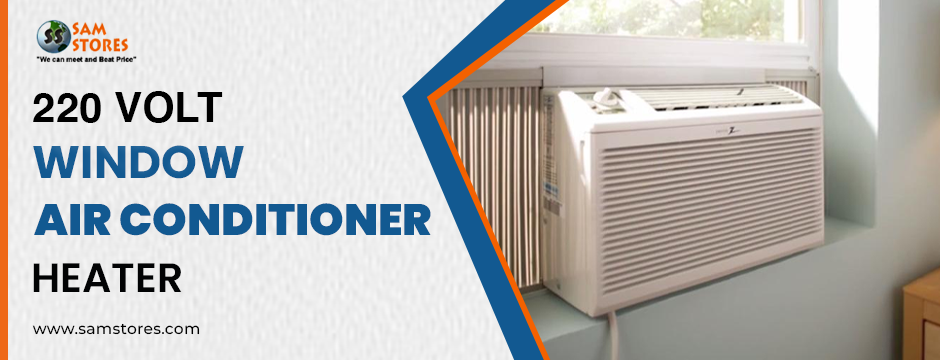
220 volt window air conditioner heaters are designed to both cool and heat indoor spaces efficiently. Unlike their lower-voltage counterparts, these units are more powerful and can handle larger spaces effectively. They come equipped with advanced features that not only regulate temperature but also improve air quality.

Efficient Filtration Systems

One of the primary ways in which these window air conditioner heaters improve indoor air quality is through their efficient filtration systems. Many of these units come with built-in air filters that trap dust, pollen, pet hair, and other airborne particles. By regularly filtering out these contaminants, they help maintain cleaner air within your home.

High-quality filters, such as HEPA filters, can capture up to 99.97% of particles as small as 0.3 microns, making them highly effective at improving IAQ. Regular maintenance, including cleaning or replacing filters, ensures that these systems operate at peak efficiency, providing clean, breathable air.

Enhanced Humidity Control

Indoor air quality is significantly influenced by humidity. High humidity levels can promote mold growth and dust mites, while low humidity can lead to dry skin and respiratory irritation. 220 outlet air conditioners often feature humidity control settings that help maintain optimal humidity levels in your home.

By dehumidifying the air during the cooling process, these units help prevent the growth of mold and mildew, which can thrive in damp environments. Additionally, maintaining a balanced humidity level contributes to overall comfort and reduces allergens in the air.

Improved Ventilation

Sustaining optimal indoor air quality requires ventilation. Proper airflow helps dilute indoor pollutants and brings in fresh outdoor air. These window air conditioner heaters often include ventilation settings that allow you to bring in fresh air while maintaining a comfortable indoor temperature.

By using the fan-only mode, homeowners can improve ventilation without the need for cooling or heating. This feature enables better air circulation, reducing stagnant air and the concentration of indoor pollutants. Increased ventilation not only enhances comfort but also helps reduce the likelihood of respiratory problems caused by poor air quality.

Filtering Out Allergens

Allergens such as pollen, pet dander, and dust mites can significantly affect indoor air quality. These allergens can trigger allergic reactions and exacerbate asthma symptoms. 220 volt window air conditioner heaters equipped with advanced filtration systems help minimize the presence of these allergens in your home.

For instance, many modern units have specialized filters designed to capture specific allergens. These filters can significantly reduce the number of airborne particles, making it easier for allergy sufferers to breathe comfortably indoors. Regular cleaning and replacement of filters enhance their effectiveness, ensuring optimal performance in reducing allergens.

Reducing Odors and VOCs

Volatile organic compounds (VOCs) are chemicals emitted by a variety of household products, including paints, cleaners, and air fresheners. These compounds can contribute to unpleasant odors and negatively impact indoor air quality.These window air conditioner heaters can help mitigate these issues through their filtration systems.

Many units are equipped with activated carbon filters that effectively absorb odors and VOCs, improving the overall air quality. By filtering out these harmful substances, these units help create a more pleasant and healthy indoor environment.

Energy Efficiency and Sustainability

In today’s environmentally conscious world, energy efficiency plays a vital role in improving indoor air quality. These window air conditioner heaters are designed to be more energy-efficient than their lower-voltage counterparts. This efficiency not only reduces energy consumption but also lowers carbon emissions, contributing to a healthier environment overall.

By investing in energy-efficient appliances, homeowners can reduce their environmental footprint while simultaneously improving indoor air quality. Many modern units are equipped with energy-saving features, such as programmable thermostats and smart controls, allowing users to optimize energy usage while maintaining comfortable indoor conditions.

220 outlet air conditioner

Noise Reduction

Excessive noise can impact indoor air quality by causing stress and discomfort. These types of window air conditioner heaters often operate more quietly than standard units, providing a peaceful indoor environment. A quieter appliance allows for better concentration and relaxation, enhancing overall comfort and quality of life.

Smart Technology Integration

Modern window air conditioner heaters come equipped with smart technology features that allow users to control their units remotely. These systems can be programmed to maintain optimal temperature and humidity levels, ensuring consistent indoor air quality.

Smart features also allow users to monitor air quality indicators, providing valuable insights into the current state of indoor air. By receiving alerts about filter changes or maintenance needs, homeowners can ensure their units operate efficiently, contributing to better indoor air quality.

Bottom Line

To create a home that is both comfortable and healthful, indoor air quality must be improved.  220-volt window air conditioner heaters play a significant role in achieving this goal. With their efficient filtration systems, humidity control, improved ventilation, and energy efficiency, these units contribute to cleaner, fresher air indoors.

By investing in a high-quality window air conditioner heater and maintaining it properly, homeowners can significantly enhance their indoor air quality. This not only leads to better health outcomes but also creates a more pleasant living space. In a world where indoor air quality is increasingly recognized as a critical factor in overall well-being, these appliances stand out as an essential solution for improving the air we breathe at home. Visit Sam Stores now to get the best products and price range on products!