There is something satisfying about fixing or building something with your own hands. Maybe it is a small wooden shelf for the living room, a storage bench for the balcony, or a simple worktable for your garage.
These projects may look intimidating at first. However, the right power tool can make many basic carpentry jobs faster, cleaner, and more manageable.
For homeowners who enjoy practical DIY projects, Hitachi 220 Volts power tools can be useful additions to a home workshop. They can help with cutting, drilling, fastening, and other routine woodworking tasks when used correctly.
At Sam Stores, we understand that residential DIY projects do not always require a professional workshop. Sometimes, you simply need the right tool, a little patience, and a clear idea of what you want to build.
So, how can a power tool transform a simple carpentry project? Let’s explore.
Why Power Tools Make Home Carpentry More Approachable?
Traditional hand tools still have their place. A handsaw, screwdriver, measuring tape, chisel, and hammer can handle many basic jobs. However, cutting several pieces of timber manually can take considerable time and effort.
Power tools introduce speed and consistency.
A suitable saw can make repeated cuts more efficiently. A drill can create clean holes without the physical effort required by a manual brace. A driver can help secure screws quickly across a larger project.
So, it does not mean power tools should replace traditional tools completely. Instead, they complement them. You still need accurate measurements, careful marking, appropriate materials, and good finishing techniques. The power tool simply makes some of the physical work easier.
Start with A Simple Carpentry Project
If you are new to DIY carpentry, don’t begin with an ambitious furniture project.
Start small.
A basic wall shelf is a good example. You might need two or three wooden boards, brackets, screws, and suitable wall fixings.
The process is straightforward:
- Measure the available space.
- Mark the required board lengths.
- Cut the boards accurately.
- Smooth rough edges.
- Drill necessary holes.
- Assemble the components.
- Install the finished shelf securely.
A project like this teaches several useful skills without overwhelming you. Once you’re comfortable, you can gradually move toward more complicated projects.
What Can A Power Tool Actually Do?
The term “power tool” covers a surprisingly broad range of equipment. Different tools are designed for different jobs.
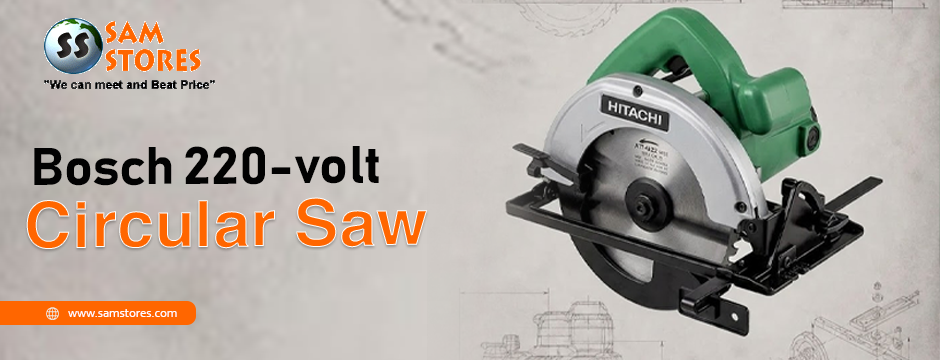
A Hitachi 220 Volts circular saw is primarily used for cutting. A drill creates holes, while certain hammer drills can handle tougher drilling applications. Sanders help smooth wooden surfaces, and drivers make fastening tasks considerably quicker.
Therefore, choosing the right tool matters more than simply buying the most powerful model available. For occasional home carpentry, think about the projects you are likely to undertake. Will you mostly cut timber? Will you drill holes? Do you expect to work with masonry as well as wood?
Your answers can help determine which tools deserve a place in your home workshop.
Choosing Hitachi 220 Volts Power Tools for DIY Projects
For homeowners building a small collection of reliable equipment, Hitachi 220 volts power tools can offer options for different workshop requirements. The important thing is matching the tool to the task.
For example, cutting a long timber board requires a different approach from drilling a hole for a shelf bracket.
Before buying anything, check the tool’s specifications and intended applications. Also consider its power requirements, accessories, ergonomics, and safety features. A tool should feel manageable in your hands.
If it is difficult to control, excessive power can become a disadvantage rather than an advantage.
Cutting Timber with A Circular Saw
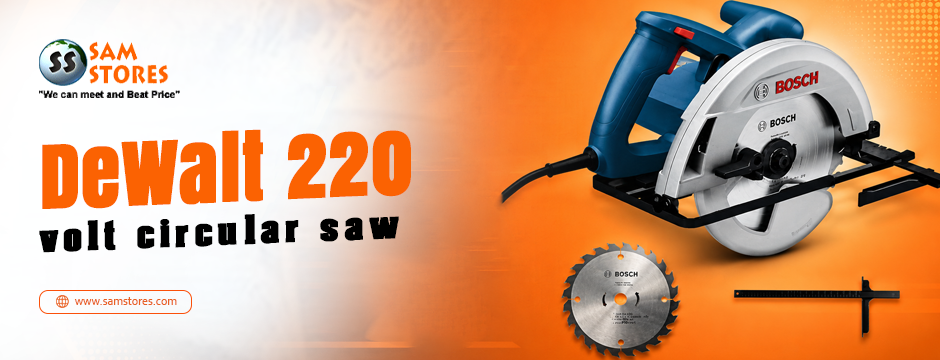
Let’s return to our imaginary shelf project. Suppose you have purchased a longer timber board than necessary. You need to cut it into several shorter sections. This is where a circular saw can save considerable time. A Hitachi 220 volts circular saw can be useful for suitable wood-cutting applications when operated according to the manufacturer’s instructions.
The keyword here is “suitable.”
Before making a cut, check the material, blade compatibility, cutting depth, and tool specifications. Secure the workpiece properly and ensure the cutting path is completely clear. Never hold a small piece of timber in your hand while attempting to cut it. Instead, use appropriate supports and keep your hands away from the blade path.
Good preparation makes power-tool work much safer.
Drilling Holes without Struggling
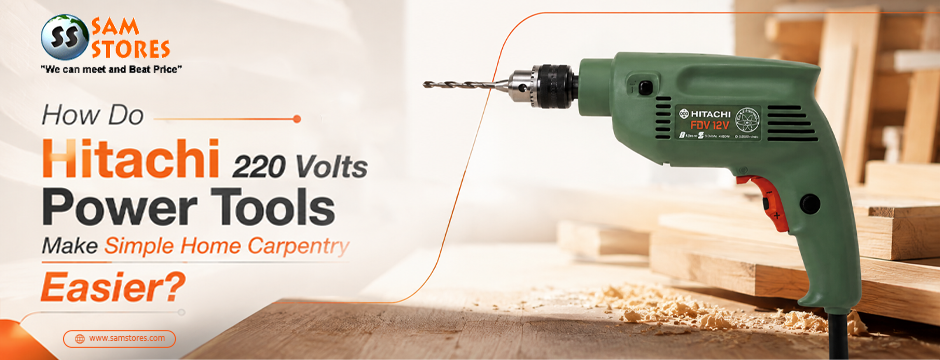
Drilling is another common part of home carpentry. You might need holes for screws, dowels, brackets, handles, hinges, or other fittings. A suitable drill can make these tasks significantly easier.
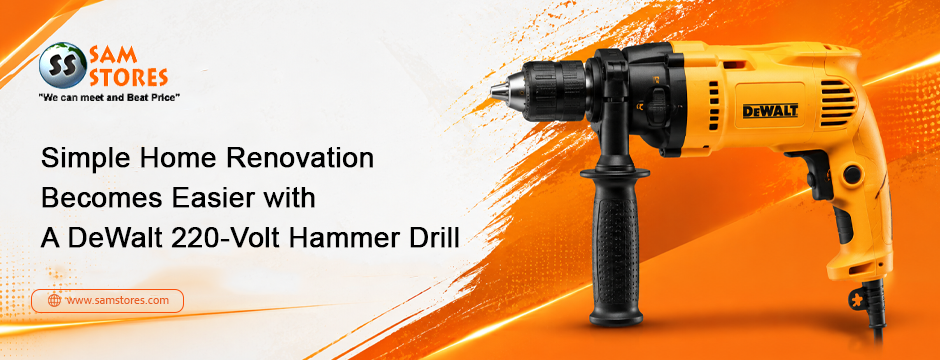
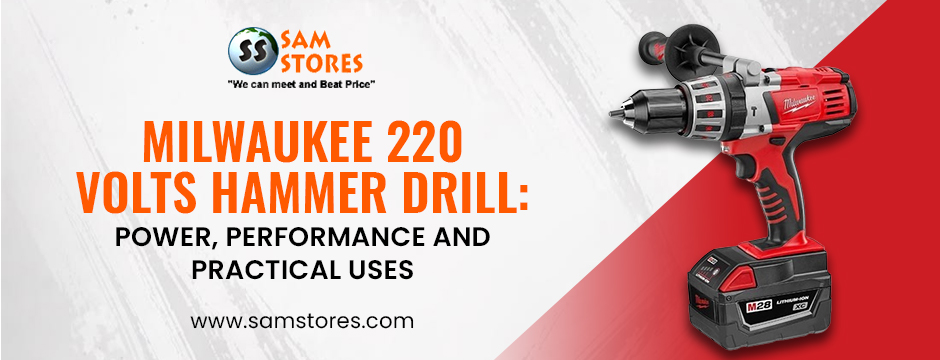
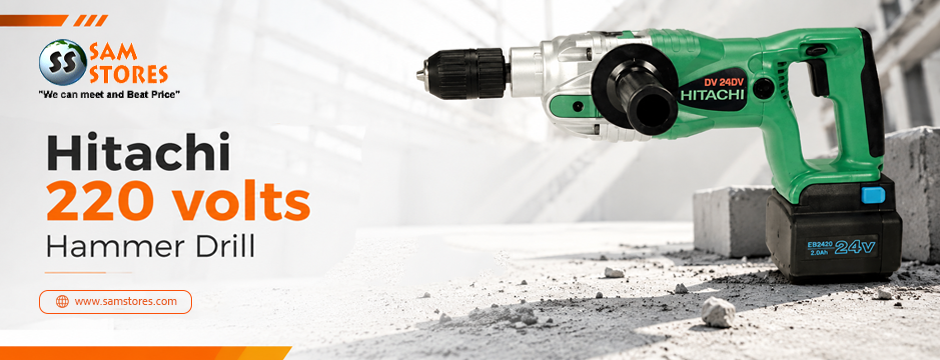
If your DIY plans also involve occasional masonry work, a Hitachi 220 volts hammer drill may offer useful versatility, depending on its specifications and the materials involved. However, always choose the correct drill bit for the material.
Wood, masonry, and metal require different bits and techniques. Using the wrong accessory can produce poor results and may damage the workpiece or tool. The right combination of tool, bit, speed, and pressure is what produces a clean result.
Power Tools Can Save More Than Time
The biggest benefit of power tools is often described as speed. That’s true, but there is more to it. They can also reduce physical effort.
Cutting thick timber repeatedly with a handsaw can become tiring. Drilling multiple holes manually can strain your hands and wrists. Repetitive fastening can become equally uncomfortable.
A suitable power tool can take much of that repetitive effort out of the process. That can make DIY projects more enjoyable. And when a project is enjoyable, you’re more likely to finish it rather than leaving half-built furniture in the garage.
DIY can be rewarding, but knowing your limits is equally important.
Simple shelves, basic wooden storage, small tables, and minor repairs may be suitable for confident homeowners. However, structural modifications, complex electrical work, major installations, or projects involving significant safety risks may require professional expertise.
Don’t let enthusiasm override judgment; use Hitachi 220 volts power tools smartly with all safety.
Making Your Tools Work Smarter
Owning good equipment doesn’t automatically make someone a good carpenter. The real improvement comes from learning how to use tools correctly.
- Start by understanding the basics.
- Learn how different blades affect cuts.
- Understand drill-bit selection. Practise controlling the tool before working on expensive timber.
- You can also practise on scrap material.
This is particularly useful for beginners. A few practice cuts can help you understand how the saw behaves. A few test holes can show how much pressure a drill requires. Once you become comfortable, your actual project becomes much less intimidating.
A Power Tool Can Change How You See DIY
Something interesting happens after completing your first successful project. You start looking around your home differently.
That unused corner could become a storage area. That empty wall could hold a custom shelf. That awkward space beneath a window might become a small bench. Instead of seeing problems, you begin seeing projects. That’s perhaps the most valuable thing power tools can offer. They don’t simply make cutting and drilling easier. They can make home improvement feel accessible.
At Sam Stores, we believe having suitable tools can help homeowners approach everyday DIY projects with greater confidence. Of course, confidence should always come with careful preparation and responsible tool use.
Final Thoughts
Simple home carpentry does not have to feel like a professional construction project. With accurate measurements, suitable materials, patience, and the right equipment, homeowners can tackle a wide range of practical DIY tasks.
Hitachi 220 volts power tools can help make cutting, drilling, and other repetitive jobs more manageable when the equipment is appropriate for the project. So, whether you are building a shelf, repairing furniture, creating storage, or making something entirely your own, start with a realistic project. Learn your tools, work safely, and focus on accuracy rather than speed.
At our e-commerce platform, Sam Stores, the right equipment can help turn an idea into something you can actually build. It’s because sometimes, the most satisfying thing in your home isn’t something you bought. It’s something you made yourself.
FAQs
1. Are power tools suitable for beginners in home carpentry?
Yes. Beginners can use suitable power tools like Hitachi 220 volts power tools for simple projects after reading the instructions and learning basic safety practices.
2. What power tool is useful for cutting wooden boards?
A suitable circular saw can make straight cuts through compatible wooden boards. Always check the tool and blade specifications before use.
3. Can a hammer drill be used for home carpentry?
A hammer drill can be useful for drilling applications involving wood and masonry, depending on its specifications. Use the appropriate drill bit for each material.
4. What should beginners consider before buying power tools?
Consider the projects you plan to complete, tool specifications, power requirements, ergonomics, accessories, safety features, and manufacturer guidance.
5. How can I use power tools more safely?
Read the instructions, secure your workpiece, use appropriate protective equipment, maintain good lighting, and keep your hands away from moving components.