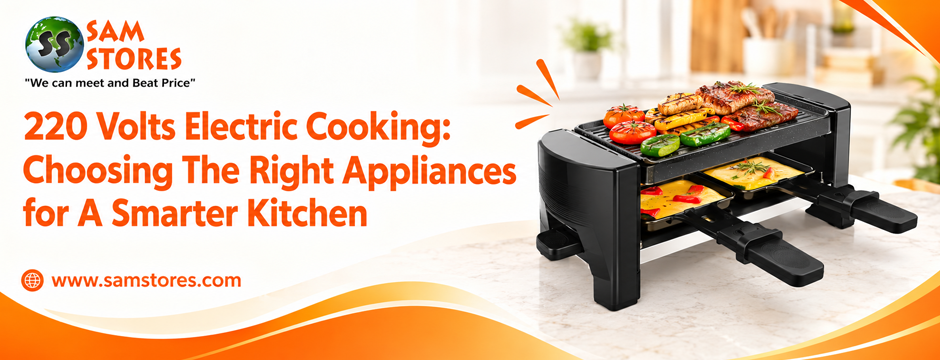
220 Volts Electric Cooking: Choosing The Right Appliances for A Smarter Kitchen

A modern kitchen does not need to be complicated to be efficient. The right appliances can make everyday cooking faster, cleaner, and considerably more convenient.

For many households, 220 volts electric cooking offers a practical way to power essential kitchen appliances while maintaining a familiar cooking routine. From blending ingredients to preparing breakfast, frying meals, and grinding coffee, electric appliances can take much of the effort out of repetitive tasks.

But with so many options available, choosing the right appliances can feel overwhelming.

Should you buy a hand blender first? Would an electric fry pan be more useful? Is an omelette maker worth adding to your countertop?

At Sam Stores, we understand that buying electronics is easier when you know what each appliance can genuinely contribute to your kitchen. So, let’s explore the essentials and see how they can fit into everyday cooking.

What Makes 220-Volt Kitchen Appliances Practical?

Before choosing individual appliances, it helps to understand what voltage means in everyday use.

Voltage refers to the electrical potential supplied to an appliance. Appliances designed for 220-volt systems are intended to operate with compatible electrical supplies.

That makes checking voltage an important step before buying any electrical kitchen product.

The right appliance should match your home’s electrical system and comply with applicable safety requirements. Using an incompatible appliance can create performance problems and potential safety risks.

Therefore, don’t choose an appliance based only on its appearance or features. Check its voltage specification first. Once compatibility is established, you can start considering the features that actually matter for your cooking habits.

220 Volts Hand Blenders for Everyday Preparation

Hand blenders are among the more versatile kitchen appliances. They are compact, relatively easy to store, and useful for numerous preparation tasks. A suitable 220 volts hand blender model can help with blending soups, sauces, dips, smoothies, and other ingredients, depending on its design and attachments.

Their biggest advantage is convenience. You don’t necessarily need to transfer ingredients into a separate countertop blender. Instead, you can often blend directly inside a suitable bowl, jug, or cooking pot.

So, when choosing one, look at the motor performance, speed settings, included attachments, grip design, cleaning requirements, and overall build quality. If you frequently prepare small batches, a hand blender can become one of those appliances you wonder how you managed without.

220 Volts Omelette Maker for Easier Breakfasts

Breakfast should not require a complicated production line. An omelette maker can simplify one of the most popular breakfast options while helping create consistent results. A 220 volts omelette maker can be particularly convenient for people who want quick preparation without constantly monitoring a frying pan.

Depending on the model, features may include non-stick cooking surfaces, indicator lights, compact designs, and easy-clean surfaces. However, convenience should not replace good cooking habits. Always follow the manufacturer’s instructions regarding preheating, food quantities, cleaning, and safe handling.

For busy mornings, though, a dedicated omelette maker can make breakfast preparation feel much less demanding.

Electric Fry Pans Bring Flexibility beyond The Stovetop

Imagine preparing dinner while your main stovetop is already occupied. An electric fry pan can provide another cooking surface. 220 volts electric fry pans can be useful for frying, sautéing, simmering, and other cooking tasks, depending on their temperature range and construction. They can also offer more flexibility when preparing meals for several people.

When comparing models, consider the pan’s cooking surface, temperature control, capacity, handles, lid design, and ease of cleaning.

A larger pan isn’t automatically better. If you typically cook for one or two people, a compact option may be easier to store and handle. For larger households, additional cooking capacity can be more valuable. Think about your kitchen before thinking about the specifications.

Don’t Forget The Coffee Grinder

For coffee enthusiasts, grinding beans immediately before brewing can become part of the daily ritual. The aroma alone can make an ordinary morning feel different.

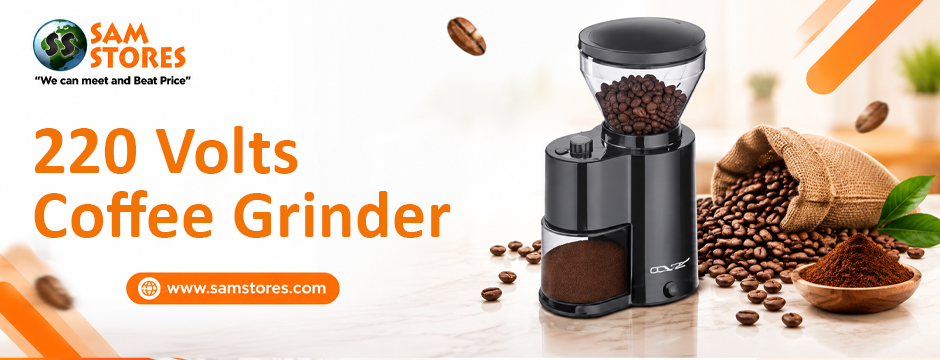
A suitable 220 volts coffee grinder model can help you grind beans at home rather than relying entirely on pre-ground coffee. Different brewing methods can require different grind sizes. Therefore, look for a grinder that offers appropriate adjustment options if you regularly switch between brewing styles.

Also consider capacity, grinding mechanism, cleaning requirements, noise, and ease of operation. You don’t necessarily need the most complicated grinder. The right choice depends on how often you drink coffee and how much control you want over the preparation process.
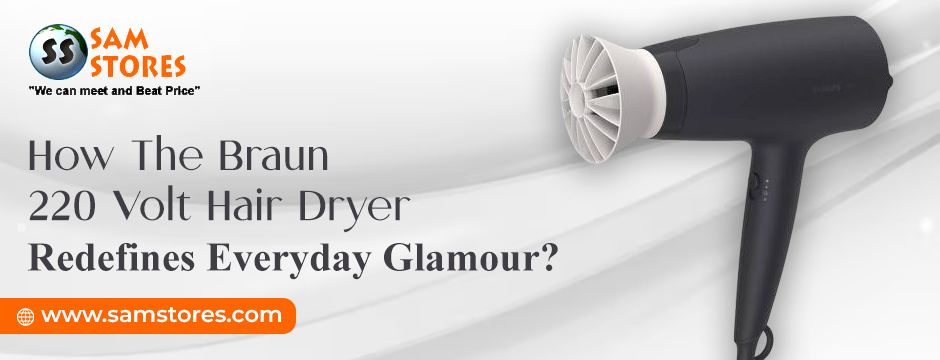
How The Braun 220 Volt Hair Dryer Redefines Everyday Glamour_

Now imagine your morning. You wake up and prepare coffee. Freshly ground beans go into your preferred brewing setup.

  • Next comes breakfast. An omelette maker handles the main cooking while you prepare other ingredients.
  • Later, you make soup for lunch. A hand blender turns cooked vegetables into a smooth consistency.

By evening, an electric fry pan gives you another convenient cooking surface for dinner. None of these appliances needs to completely transform your kitchen. Together, however, they can create a more efficient workflow.

This is where 220 volts electric cooking becomes more than simply an electrical specification. It becomes part of a practical kitchen ecosystem where different appliances handle specific tasks.

Safety Should Always Come Before Convenience

Electrical kitchen appliances combine electricity, heat, moisture, and food. That combination requires sensible handling.

  • Always follow the manufacturer’s instructions and safety recommendations.
  • Check the voltage rating before connecting an appliance.
  • Keep electrical components away from water unless the product is specifically designed for such exposure.
  • Avoid using damaged cords or plugs.
  • Unplug appliances when required during cleaning or maintenance.
  • Also, give heated appliances enough ventilation and place them on suitable surfaces.

These habits may sound basic. They are still worth following every time. A convenient kitchen appliance is only useful when it is operated safely and correctly.

Quality Matters More Than A Long Feature List

Online shopping makes it easy to compare specifications. You might see one appliance offering several speed settings, another promising multiple attachments, and another featuring a digital display.

More features can be useful, but they should not distract you from fundamental qualities. Look at construction, controls, ease of cleaning, warranty information, product instructions, and suitability for your needs.

Think about long-term usability.

Would you rather have an appliance with ten rarely used features or one with three functions you use every week?

For most kitchens, practical design wins.

Choose Appliances That Work Together

A good kitchen appliance collection should feel coordinated. The objective isn’t necessarily to buy products from the same category. Instead, choose appliances that solve different problems.

Before adding another appliance to your basket, ask yourself one question:

What specific cooking problem will this solve?

If you have a clear answer, the appliance is more likely to earn its place.

Shopping Online Requires A Little Extra Attention

When buying electronics online, product descriptions deserve careful reading. Check the voltage, dimensions, capacity, included accessories, power requirements, materials, warranty information, and manufacturer’s instructions where available.

Product images can help you understand the design. Specifications tell you whether the appliance suits your kitchen. Customer reviews may provide additional context about everyday use, although individual experiences can vary. Don’t overlook delivery considerations either. Larger appliances may require more careful handling, while smaller appliances are generally easier to store and transport.

Taking a few extra minutes to check these details can prevent disappointing purchases. For safe buying options, you may consider purchasing from Sam Stores.

Final Thoughts

A practical kitchen is built around habits. The right appliances can reduce preparation time, simplify repetitive tasks, and make cooking more enjoyable. However, choosing them requires more thought than simply selecting the most attractive model.

So, when exploring 220 volts electric cooking, always begin with electrical compatibility and safety. Then consider your cooking routine, available space, appliance features, cleaning requirements, and long-term usefulness.

So, whether you are comparing hand blenders, omelette makers, electric fry pans, or coffee grinders, choose products that solve genuine everyday problems.

Sam Stores can be part of that journey by helping shoppers explore practical electronics for modern kitchens. Because the smartest kitchen isn’t necessarily packed with appliances. It’s equipped with the ones you actually use.

FAQs

1. What does 220 volts mean for kitchen appliances?

It refers to the electrical voltage an appliance is designed to operate with. Always check compatibility with your home’s electrical supply before use.

2. Are hand blenders useful for everyday cooking?

Yes. They can be convenient for preparing soups, sauces, smoothies, dips, and other blended foods, depending on the model.

3. What should I consider when buying an electric fry pan?

Consider cooking capacity, temperature controls, cooking surface, lid design, handles, storage requirements, and cleaning convenience.

4. Is an omelette maker worth buying?

It can be useful if you regularly prepare omelettes and want a convenient appliance designed specifically for quick breakfast preparation.

5. Why should I check voltage before buying kitchen electronics?

Voltage compatibility, such as for a 220 volts electric cooking appliance, helps ensure an appliance is suitable for your electrical supply. Using incompatible electrical equipment can create safety and performance concerns.
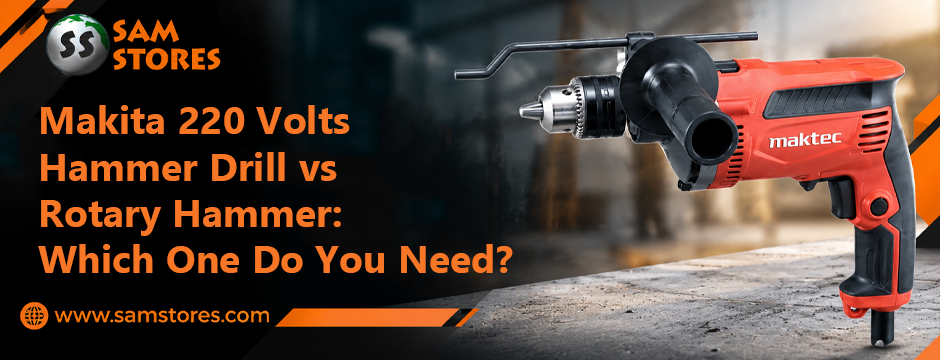
Makita 220 Volts Hammer Drill vs Rotary Hammer: Which One Do You Need?

Buying a power tool for concrete or masonry work sounds straightforward until you start comparing hammer drills with rotary hammers.

Both can drill into hard materials. Both use impact action. Both are available in corded configurations. Yet they are not designed for exactly the same jobs.

For a homeowner putting up shelves, a contractor installing anchors, or a tradesperson drilling through masonry regularly, choosing the wrong tool can mean slower work, unnecessary fatigue and a tool that does not match the job.

A Makita 220 Volts Hammer Drill can be an excellent choice when you need a versatile drill capable of handling wood, metal, masonry and routine fastening work. A rotary hammer is generally the better option when the work involves frequent drilling into hard concrete, larger holes or heavier demolition.

So which one belongs in your toolbox?

The answer depends on what you actually plan to do with it.

Hammer Drill vs Rotary Hammer: The Basic Difference

The easiest way to understand the difference is to look at how the two tools create impact.

A hammer drill uses a rapid hammering action while the bit rotates. The impact mechanism helps the bit work through brick, block and lighter masonry.

A rotary hammer uses a more substantial hammering mechanism. It is designed for demanding masonry and concrete applications and can deliver considerably more impact force.

That distinction matters.

If you occasionally need to drill small holes for wall plugs or masonry anchors, a hammer drill can provide the flexibility you need. If your daily work involves drilling deep holes into reinforced or hard concrete, a rotary hammer is usually the more appropriate tool.

Where a Makita 220 Volts Hammer Drill Makes Sense

A hammer drill earns its place in a toolbox because it is not limited to masonry.

Switch off the hammer function and it can often be used for conventional drilling applications, depending on the model. That makes it useful for tradespeople and serious DIY users who work with different materials.

Typical applications include:

  • Drilling into brick
  • Drilling into block
  • Installing masonry anchors
  • Drilling wood
  • Drilling metal
  • General construction work
  • Home renovation
  • Workshop projects
  • Light to moderate masonry jobs

For someone who wants one corded tool capable of tackling a range of everyday drilling tasks, a Makita hammer drill can be a practical investment.

The 220V configuration is particularly relevant for buyers shopping for tools intended for compatible electrical systems outside standard 110V markets.

Before purchasing, always verify the tool’s voltage and frequency requirements against your local electrical supply.

When a Rotary Hammer Is the Better Choice

Now imagine a different type of job.

You need to drill dozens of holes into a concrete slab. The holes are relatively large, the material is hard, and the work continues for several hours.

That is where a rotary hammer starts to make much more sense.

Rotary hammers are designed around higher-impact applications. Depending on the model and bit system, they can handle jobs such as:

  • Heavy concrete drilling
  • Large masonry holes
  • Anchoring work
  • Chiselling
  • Tile removal
  • Concrete demolition
  • Construction and renovation work

Some rotary hammers offer different operating modes, allowing the user to drill with rotation and impact, drill without impact, or use hammer-only action for chiselling.

That additional capability is one reason professional contractors often keep both types of tools available.

Which Tool Is More Powerful?

In most cases, a rotary hammer delivers substantially greater impact force than a standard hammer drill.

However, “more powerful” does not automatically mean “better.”

If you are drilling a few small holes in brick, the extra size and weight of a rotary hammer may not provide much practical benefit.

You may actually prefer a hammer drill because it is easier to handle and more versatile for everyday jobs.

On the other hand, if you regularly work with concrete, the stronger impact mechanism of a rotary hammer can save time and reduce the amount of effort required.

Think about it this way:

Hammer drill: versatility first.

Rotary hammer: heavy-duty masonry performance first.

What About Speed and Control?

Speed is another area where buyers sometimes focus on the wrong specification.

A high RPM figure can look impressive on a product page, but drilling performance depends on more than rotational speed.

Material, bit type, impact force, torque and operator technique all affect the result.

For general drilling, variable speed can be useful because it allows you to adapt the tool to different materials and applications.

For masonry, impact performance becomes increasingly important as the material gets harder.

That is why comparing tools solely by RPM can lead to a poor purchasing decision.

Look at the complete specification rather than one headline number.

The Importance of the Right Drill Bit

Even an excellent power tool will struggle with the wrong accessory.

Masonry and concrete require appropriate bits designed for the material and the tool’s chuck or bit system.

Using an unsuitable bit can result in slow drilling, excessive heat, poor hole quality and unnecessary wear.

Before buying a hammer drill or rotary hammer, check which bit system it accepts and whether the accessories you need are readily available.

This becomes particularly important for professionals who cannot afford frequent interruptions to replace or locate specialised accessories.

Hammer Drill or Rotary Hammer for Home Renovation?

For many homeowners, the answer depends on the renovation project.

Installing curtain brackets, shelves, cabinets or wall-mounted equipment into brick or block does not necessarily justify buying a heavy rotary hammer.

A hammer drill may be more convenient because it can handle several other drilling tasks around the home.

However, renovations involving concrete floors, extensive masonry work or tile removal can quickly move into rotary-hammer territory.

If you are renovating an older property and expect to encounter substantial masonry work, having access to a rotary hammer can make difficult jobs considerably easier.

What About Professional Contractors?

Professionals should consider workload rather than occasional capability.

A contractor who drills a handful of masonry holes each week may get excellent value from a versatile hammer drill.

A concrete installer, electrician, plumber or construction worker drilling anchors throughout the day may benefit much more from a rotary hammer designed for continuous heavy-duty work.

Ergonomics matter here, too.

If a tool is going to be used for hours rather than minutes, weight, grip, vibration control and overall handling can affect productivity and comfort.

The best tool is the one that matches the work you repeatedly perform.

How Does Voltage Fit Into the Decision?

The 220V specification deserves attention when shopping for international power tools.

A 220V tool is designed to operate with a compatible electrical supply. It should not be treated as a universal replacement for a 110V tool simply because the voltage is higher.

Buyers should check:

  • Rated voltage
  • Frequency
  • Plug configuration
  • Amperage
  • Electrical circuit requirements
  • Compatibility with the intended location

This is especially important when purchasing imported Makita 220 Volts Power Tools.

Do not assume that a plug adapter changes the operating voltage. An adapter changes the physical connection, not the electrical characteristics supplied to the tool.

If you are uncertain about compatibility, check the manufacturer’s specifications or speak with a qualified electrician.

Is a Hammer Drill Enough for Concrete?

This is one of the most common questions buyers ask.

The answer is: sometimes.

A hammer drill can handle many smaller concrete and masonry drilling tasks when paired with the correct bit. But there is a point where the job becomes better suited to a rotary hammer.

Hole diameter, drilling depth, concrete hardness and the number of holes you need to make all matter.

If you only need to drill a few small holes, a hammer drill may be perfectly adequate.

If you are drilling large, deep holes repeatedly, a rotary hammer is likely to be the smarter investment.

Trying to force a general-purpose tool through work that requires a specialised machine rarely saves money in the long run.

Can You Use a Rotary Hammer for Everyday Drilling?

Technically, a rotary hammer can handle many drilling applications, particularly when it has the appropriate modes and accessories.

But that does not mean you should automatically choose one for every job.

Rotary hammers tend to be larger and heavier than conventional hammer drills. Carrying a heavy tool around for simple drilling tasks can become inconvenient.

For a toolbox that needs to cover a broad range of everyday work, a hammer drill can be the more balanced option.

For a dedicated concrete or masonry toolkit, a rotary hammer becomes much more attractive.

Don’t Forget the Rest of Your Toolkit

A good workshop is rarely built around one tool.

Once you start taking on construction, renovation or maintenance projects, different tools serve different purposes.

For example, a hammer drill may cover drilling applications while an angle grinder handles cutting, grinding and surface preparation. A circular saw can take care of many wood-cutting jobs.

If you are building a compatible collection of corded tools, you can explore options such as a Makita 220 Volts Angle Grinder alongside other Makita 220 Volts Power Tools.

A well-matched toolkit can be more useful than spending the entire budget on one exceptionally powerful machine.

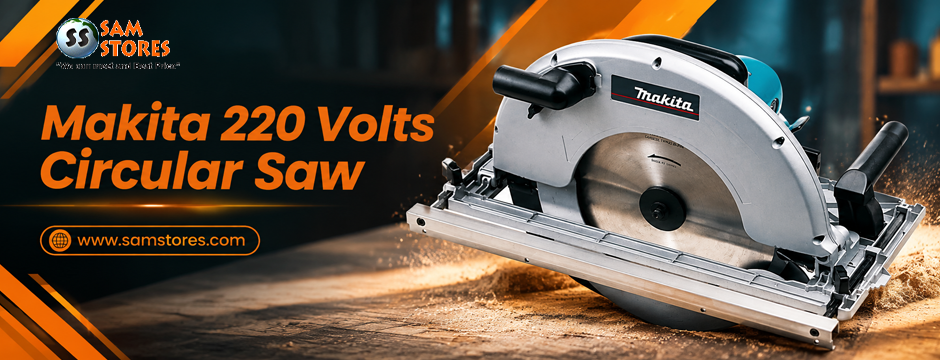
For cutting applications, you may also want to consider a Makita 220 Volts Circular Saw when the project calls for a dedicated saw rather than trying to make a drill do a job it was never designed to perform.

How The Braun 220 Volt Hair Dryer Redefines Everyday Glamour_

Makita Hammer Drill vs Rotary Hammer: Quick Comparison

FeatureHammer DrillRotary Hammer
Small masonry holesExcellentMore than capable
Wood drillingExcellentModel dependent
Metal drillingExcellentModel dependent
Hard concreteModerate to goodExcellent
Large holesLimitedExcellent
ChisellingGenerally unavailableAvailable on suitable models
PortabilityUsually easierGenerally heavier
VersatilityHighMore specialised
Heavy masonry workLimitedExcellent
Occasional DIY useVery suitableMay be excessive

Which One Should You Buy?

If your projects change from one material to another and you want a versatile corded drilling tool, a Makita 220 Volts Hammer Drill is worth considering.

It can be a sensible choice for homeowners, maintenance workers, installers and contractors who need one tool for a mixture of drilling tasks.

If your work is dominated by hard concrete, deep holes, larger masonry applications or chiselling, step up to a rotary hammer.

There is no prize for buying the biggest tool in the shop. The better purchase is the one that fits your actual workload.

At Sam Stores, the goal should be to choose based on application, electrical compatibility, tool specifications and long-term usefulness. A carefully selected power tool can serve you for years, while an unsuitable one can become an expensive item sitting on a shelf.

Final Verdict

So, Makita 220 Volts Hammer Drill or rotary hammer?

Choose the hammer drill when you value versatility and regularly work across wood, metal and lighter masonry.

Choose the rotary hammer when concrete and heavy masonry are the main part of your workload.

And if you are still undecided, look at the jobs you perform most often. The answer usually becomes obvious once you stop thinking about the tool itself and start thinking about the work it needs to accomplish.

The right drill is not necessarily the most powerful one. It is the one that gives you the right combination of power, control, versatility and practicality for the projects ahead.

FAQs

1. Is a Makita 220 Volts Hammer Drill good for concrete? 

Yes. A hammer drill can handle many smaller concrete drilling jobs with the correct masonry bit. For frequent heavy-duty concrete drilling, a rotary hammer is generally more suitable.

2. What is the main difference between a hammer drill and a rotary hammer? 

A rotary hammer typically produces a stronger impact force and is designed for heavier concrete and masonry applications. A hammer drill is generally lighter and more versatile for everyday drilling.

3. Should I buy a hammer drill or rotary hammer for home renovation? 

For occasional drilling into brick or block, a hammer drill is often sufficient. If the renovation involves extensive concrete drilling or chiselling, a rotary hammer may be the better choice.

4. Are Makita 220V power tools compatible with every 220V outlet? 

Not necessarily. You should verify the tool’s voltage, frequency, amperage and plug configuration before connecting it to an electrical supply.

5. Is a rotary hammer better than a hammer drill? 

Neither is universally better. A rotary hammer is better for demanding concrete and masonry work, while a hammer drill offers greater versatility for users working across different materials.

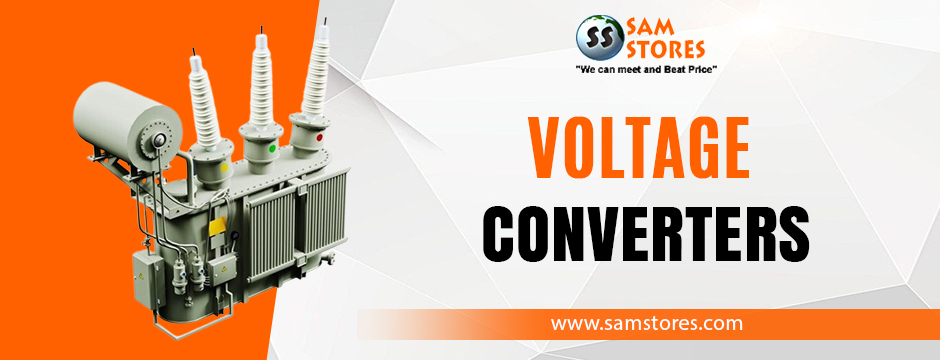
Travelling Abroad? Why A 220 Volt Outlet Adapter Belongs in Your Bag

You have packed your clothes, passport, charger, toiletries, and perhaps a small camera for the trip. Everything seems ready until you arrive at your hotel and discover something frustrating: your favourite appliance cannot connect to the local outlet.

It is a surprisingly common travel problem.

Electrical outlets and voltage standards can vary between countries. That means the plug that works perfectly at home may not fit your destination’s socket. In some cases, the voltage can also be different.

This is where a 220 volt outlet adapter can become a useful addition to your travel kit.

At Sam Stores, we understand that small electrical accessories can make a surprisingly big difference when you’re away from home. The right adapter can help you connect compatible devices without searching for an electrical shop after landing.

However, there’s an important distinction between changing a plug shape and changing voltage. Understanding that difference can help you choose the right accessory and use it safely.

Let’s explore why an outlet adapter deserves space in your suitcase.

What Exactly Does A 220-Volt Outlet Adapter Do?

The name can sometimes be confusing. A 220 volt outlet adapter generally refers to an accessory designed to provide a compatible physical connection for equipment using a particular plug configuration. An adapter itself typically does not transform electrical voltage.

For example, if your appliance is designed for 220–240V and your destination provides compatible voltage, you may only need the appropriate plug adapter.

However, if your appliance is designed exclusively for 110–120V and you’re connecting it to a 220–240V supply, you may need a properly rated voltage converter or transformer.

These are different products. That distinction should always be checked before plugging anything in.

Adapter Or Converter? Don’t Mix Them Up

This is probably the most important thing to understand before buying travel electrical accessories.

  • A plug adapter changes the shape of the connection.
  • A voltage converter or transformer changes the electrical voltage.

They solve different problems.

Suppose you take a device designed for 110V to a country using 220–240V. A simple plug adapter will allow the plug to physically enter the socket, but it will not reduce the voltage. That could damage equipment that isn’t rated for the higher voltage.

On the other hand, many modern chargers are designed for a wide input range. Look at the label on your device for something like “Input: 100–240V.”

If you see that rating, the device may only require a suitable plug adapter. Always check the manufacturer’s specifications rather than assuming.

Why Do Frequent Travellers Keep Electrical Adapters Handy?

Frequent travellers learn quickly that preparation saves time. A universal adapter takes up little luggage space compared with the inconvenience of being unable to use essential electronics.

Think about everything you might use during a trip.

Your phone charger needs power. Your laptop may need charging. A camera battery might need to be topped up. You may want to use a hair dryer, electric shaver, electric toothbrush, or other personal appliance.

Not every item necessarily needs the same connection. Having the appropriate adapter available means you have one less thing to figure out after arrival. For business travellers, the convenience can be even more important.

Imagine arriving at a conference and discovering that your laptop charger cannot connect to the hotel’s socket. A small accessory suddenly becomes extremely valuable.

Different Appliances Have Different Requirements

Don’t assume every electrical device behaves the same way. A phone charger generally consumes relatively little power. A hair dryer or heater can require significantly more. This means the power rating of an adapter or converter matters.

High-wattage appliances require equipment rated for their electrical load. This is particularly relevant when dealing with products such as dryers, curling irons, kettles, or other heating appliances.

For instance, someone searching for a 220 dryer plug adapter to 110 may actually need to determine whether they need a plug adapter, voltage converter, or both.

The wording used in online searches can be confusing. The solution is to identify the appliance’s input voltage and wattage first. Then choose equipment that is specifically rated for those requirements.

What About A 230 Volt Plug Adapter?

You may also come across products described as a 230 volt plug adapter. Again, the number refers to voltage compatibility rather than necessarily describing a voltage conversion function.

Many regions use nominal voltages around 220–240V, while others use around 100–127V. Actual standards can vary by country and electrical system.

That’s why travellers should check their destination’s requirements before choosing an adapter.

220 Adapter Plugs Can Be Useful Beyond International Travel

Travel isn’t the only situation where plug adapters can become useful. People sometimes purchase equipment designed for a particular electrical connection and later discover that their existing outlet configuration differs.

That’s where 220 adapter plugs can provide a practical connection solution when the voltage and electrical requirements are already compatible. However, compatibility should always come first. The fact that two plugs can physically connect does not automatically mean the electrical setup is safe.

Before using any adapter, confirm the voltage, current, frequency, grounding requirements, and appliance rating where relevant. If you’re unsure, consult a qualified electrician.

How The Braun 220 Volt Hair Dryer Redefines Everyday Glamour_

A Quick Pre-Travel Electrical Checklist

Before leaving for an international trip, take a few minutes to check your electronics. Start with your destination. Then check each device.

  • Step 1: Identify the destination’s socket type.

Different countries use different plug configurations.

  • Step 2: Check your device’s voltage rating.

Look at the manufacturer’s label or specifications.

  • Step 3: Check whether the device accepts multiple voltages.

A 100–240V rating usually indicates broad input compatibility.

  • Step 4: Check wattage for high-power appliances.

Hair dryers and heating devices need particular attention.

  • Step 5: Determine whether you need an adapter or converter.

Don’t assume they are interchangeable.

  • Step 6: Pack the right accessory.

Ideally, test it with your equipment before travelling.

A five-minute check at home can prevent a frustrating situation abroad.

What About Searching for A 220V to 110V Adapter at Home Depot?

You may encounter searches such as 220V to 110V adapter home depot when looking for a solution. But remember that “adapter” is often used casually online to describe different types of electrical equipment. A true voltage conversion device is different from a simple plug adapter.

If your appliance requires 110–120V and your wall supply provides approximately 220–240V, look specifically for a correctly rated step-down transformer or voltage converter. The converter’s wattage capacity should be appropriate for the appliance. Never select one based solely on the plug shape.

Don’t Let Your Electronics Dictate Your Trip

Your travel itinerary should be about the places you’re visiting, not electrical outlets. You shouldn’t have to spend your first evening searching for a shop because your charger doesn’t fit. You shouldn’t risk damaging an expensive appliance because you confused an adapter with a converter. And you certainly shouldn’t assume that every international plug problem can be solved with one universal accessory.

A little preparation makes a big difference.

  • Pack the appropriate adapter.
  • Check your device ratings.
  • Understand the difference between connection and voltage conversion.
  • Then get on with your journey.

Final Thoughts

A 220 volt outlet adapter can be a small but valuable addition to your travel essentials. It can help you connect compatible electronics to different socket configurations and avoid unnecessary inconvenience.

However, the most important lesson is understanding what an adapter actually does. It changes the plug connection. It does not automatically change voltage.

Before travelling, check your destination’s electrical system and every device you plan to take. For equipment that isn’t compatible with the available voltage, use an appropriately rated converter or transformer instead. When you’re travelling, the last thing you want is a tiny plug to become a big problem.

Practical electrical accessories should make everyday life easier, whether you’re preparing for a trip or solving a connection problem at home. You can find such useful items at Sam Stores.

FAQs

1. What is a 220 volt outlet adapter used for?

A plug adapter changes the physical connection between an appliance plug and a wall socket. A 220 volt outlet adapter does not normally convert electrical voltage.

2. Is a plug adapter the same as a voltage converter?

No. A plug adapter changes the plug configuration, while a voltage converter changes the supplied voltage. They perform different functions.

3. Can I use a 110V appliance with a 220V outlet?

Not with a basic plug adapter. A compatible step-down transformer or voltage converter may be required, depending on the appliance.

4. How can I tell whether my device needs a voltage converter?

Check the input rating on the device. Equipment marked “100–240V” generally supports both common voltage ranges with the appropriate plug adapter.

5. Can I use one adapter for every appliance?

Not necessarily. Check each appliance’s voltage, wattage, plug configuration, and grounding requirements before use. High-power appliances require particular care.

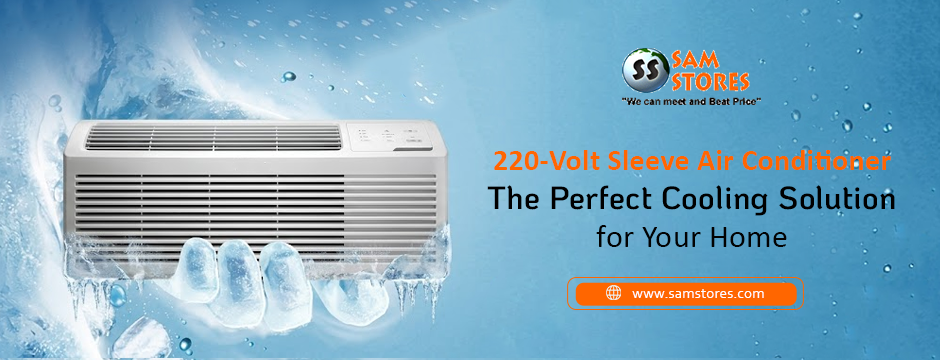
220 Volt Sleeve Air Conditioner: The Perfect Cooling Solution for Your Home

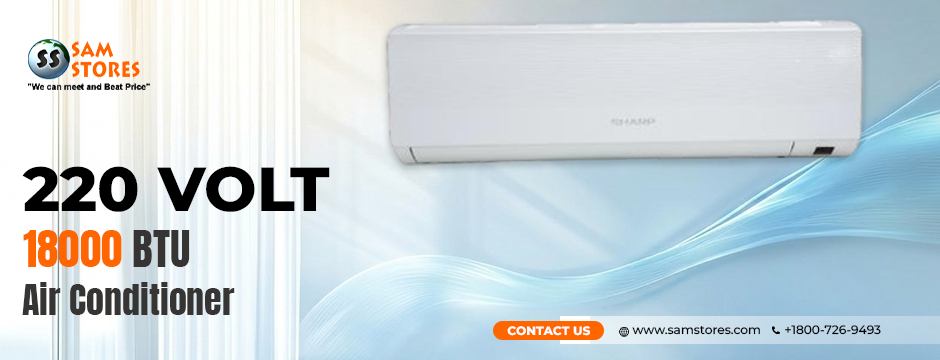
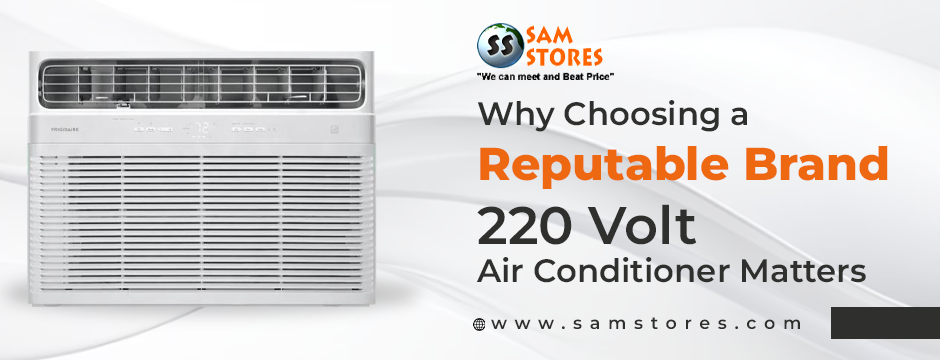
Choosing the right air conditioner can significantly improve your indoor comfort, especially during hot and humid months. While there are many cooling options available, a 220-volt sleeve air conditioner stands out for its durability, energy efficiency, and reliable performance. Whether you’re upgrading an older cooling system or installing a unit in a new space, a sleeve air conditioner offers a practical and long-lasting solution.

Unlike portable or window units, sleeve air conditioners are designed for permanent installation, providing consistent cooling while maintaining a clean, streamlined appearance. In this guide, we’ll explore why a sleeve air conditioner is worth considering and how it can enhance your comfort for years to come.

What Is A Sleeve Air Conditioner?

A sleeve air conditioner is a self-contained cooling unit installed inside a metal wall sleeve. The sleeve remains permanently mounted within an exterior wall, allowing the air conditioner to slide in and out for maintenance or replacement.

This installation method offers several advantages over traditional window-mounted systems. Since the unit sits securely inside the wall, it creates a cleaner look, reduces window obstruction, and often provides greater stability.

Many apartments, condominiums, hotels, offices, and residential homes rely on sleeve air conditioners because they combine efficient cooling with convenient installation.

Why Choose A 220 Volt Sleeve Air Conditioner?

When it comes to dependable cooling, a 220-volt sleeve air conditioner offers several important benefits.

Powerful Cooling Performance

Higher-voltage systems are designed to handle greater cooling demands more efficiently. Whether you’re cooling a living room, bedroom, office, or studio apartment, these units deliver consistent airflow that quickly creates a comfortable indoor environment.

Because they produce reliable cooling even during peak summer temperatures, they’re an excellent choice for regions with long, hot seasons.

Improved Energy Efficiency

Modern sleeve air conditioners are engineered to maximize cooling while reducing unnecessary energy consumption. Many 220-volt sleeve air conditioner models include energy-saving features such as programmable thermostats, sleep modes, eco settings, and automatic temperature control.

As a result, homeowners can enjoy greater comfort while helping reduce monthly electricity costs.

Permanent Installation Creates A Cleaner Appearance

One major advantage of sleeve air conditioners is their permanent installation. Unlike window units that partially block natural light and outdoor views, sleeve air conditioners sit neatly inside the wall.

This design provides several benefits:

  • Unobstructed windows
  • Better room aesthetics
  • Increased natural lighting
  • Enhanced security
  • Reduced outside noise

The finished appearance blends well with modern homes and commercial properties alike.

Better Stability Than Traditional Window Units

Window air conditioners rely heavily on window frames for support. Over time, vibration, shifting, or improper installation may affect stability. A sleeve air conditioner, however, fits securely inside its dedicated wall sleeve.

This fixed installation helps reduce movement during operation while providing dependable long-term performance. For homeowners seeking a more permanent cooling solution, this added stability offers valuable peace of mind.

Quiet Operation Improves Indoor Comfort

Noise levels matter, especially in bedrooms, home offices, and study areas. Many modern sleeve air conditioners feature quieter compressors, improved insulation, and optimized fan systems.

These enhancements help minimize operational noise while maintaining efficient airflow. The result is a cooler, quieter indoor environment where you can work, relax, or sleep comfortably.

Efficient Cooling for Different Room Sizes

Selecting the correct cooling capacity is essential for optimal performance. A 220-volt 10000 BTU air conditioner is often an excellent choice for medium-sized rooms, offering a balance between cooling power and energy efficiency.

Therefore, choosing the appropriate BTU rating helps ensure the unit cools effectively without wasting electricity or cycling excessively. Understanding your room size before purchasing will help you select the most suitable model.

Ideal for Homes, Apartments, and Offices

Sleeve air conditioners are versatile enough to work in various environments.

They are commonly installed in:

  • Apartments
  • Condominiums
  • Hotels
  • Offices
  • Bedrooms
  • Living rooms
  • Guest houses
  • Vacation properties

Their flexible applications make them one of the most practical cooling solutions available. So, whether you’re cooling your primary residence or a rental property, a sleeve air conditioner delivers dependable performance.

Enhanced Energy Savings over Time

Although the initial investment may be slightly higher than some portable options, sleeve air conditioners often provide long-term value. Their efficient cooling systems help maintain comfortable temperatures without unnecessary power consumption.

Additionally, modern models frequently include:

  • Energy-saving modes
  • Adjustable fan speeds
  • Programmable timers
  • Automatic temperature regulation

These features work together to optimize performance while reducing operating costs over time.

Easier Maintenance And Replacement

One of the biggest advantages of the wall sleeve system is simplified maintenance. So, when servicing becomes necessary, the cooling unit can usually slide out of the installed sleeve without requiring structural modifications.

This design offers several practical benefits:

  • Easier cleaning
  • Faster repairs
  • Convenient replacement
  • Lower long-term maintenance effort

Because the wall sleeve remains in place, replacing the air conditioner in the future is generally more straightforward than installing an entirely new system.

Improved Security Compared to Window Units

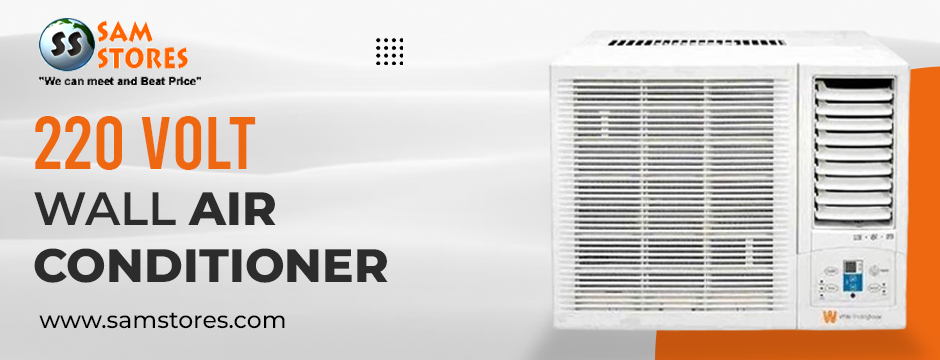
Window air conditioners sometimes require partially open windows, which may create security concerns. A permanently installed 220 volt wall air conditioner eliminates this issue by fitting securely inside a dedicated wall opening.

How The Braun 220 Volt Hair Dryer Redefines Everyday Glamour_

Since the window remains fully closed, homeowners benefit from improved security while also reducing drafts and outside air infiltration. This added protection makes sleeve air conditioners especially attractive for ground-floor apartments and residential homes.

Long-Term Durability

Sleeve air conditioners are built for long-term use.

Their sturdy installation helps protect the unit from unnecessary movement, reducing wear over time. Many high-quality models feature corrosion-resistant materials, durable compressors, and reliable internal components designed to perform consistently for years.

With proper maintenance, a sleeve air conditioner can remain an effective cooling solution through many summers.

What to Consider Before Buying

Choosing the right sleeve air conditioner involves evaluating several important factors.

  • Room Size: Select a cooling capacity appropriate for your space to maximize efficiency.
  • Voltage Compatibility: Confirm your home’s electrical system supports a 220-volt appliance.
  • Energy Efficiency: Look for models featuring energy-saving technologies and programmable controls.
  • Installation Requirements: Ensure your existing wall sleeve matches the unit or verify compatibility before purchasing.
  • Maintenance Access: Choose a design that allows easy filter cleaning and future servicing.

Considering these factors helps ensure long-term satisfaction with your investment.

Why Does Buying from A Trusted Retailer Matter?

Purchasing from an established retailer provides several advantages beyond product availability. Reliable sellers offer access to quality products, detailed specifications, knowledgeable customer support, and dependable after-sales assistance.

Shopping with trusted electronics retailers like Sam Stores also gives customers confidence when selecting appliances designed for international voltage requirements.

Having expert guidance throughout the buying process makes choosing the right air conditioner much easier.

Final Thoughts

A 220-volt sleeve air conditioner offers an excellent combination of reliable cooling, permanent installation, energy efficiency, and long-term durability. Whether you’re upgrading your home’s cooling system or installing an air conditioner in a new space, a sleeve model provides dependable year-round comfort with minimal maintenance.

Therefore, by selecting the right capacity and features, you’ll enjoy efficient performance, quieter operation, and lasting value for many years to come.

FAQs

1. What is a sleeve air conditioner?

A sleeve air conditioner is a cooling unit installed inside a permanent wall sleeve, providing secure installation, efficient cooling, and easier maintenance than many window units.

2. What are the benefits of a 220-volt sleeve air conditioner?

A 220-volt sleeve air conditioner offers powerful cooling, energy efficiency, quieter operation, improved stability, and a clean, permanent installation.

3. Is a sleeve air conditioner better than a window air conditioner?

For many homeowners, yes. Sleeve air conditioners provide a more permanent installation, improved aesthetics, better security, and easier future replacement.

4. Can a sleeve air conditioner replace an existing wall unit?

In many cases, yes. As long as the new unit is compatible with the existing wall sleeve dimensions and electrical requirements, replacement is generally straightforward.

5. Is a 220-volt 10000 BTU air conditioner suitable for medium-sized rooms?

Yes. A 220-volt 10000 BTU air conditioner is commonly recommended for medium-sized spaces, although the ideal capacity depends on your room size, insulation, and climate.

Benefits of Buying A Small-Size 220 Volt Fridge for Modern Living

Not every home needs a large refrigerator. In fact, many households, apartments, offices, and vacation properties benefit more from a compact cooling solution. A small-size 220 volt fridge offers convenience, efficiency, and flexibility without occupying excessive space.

As lifestyles continue to evolve, people increasingly seek appliances that match their practical needs. Whether someone lives in a studio apartment, needs extra refrigeration, or wants an energy-efficient option, a compact refrigerator can be an excellent investment.

Moreover, modern small refrigerators available at Sam Stores deliver impressive cooling performance, smart storage features, and stylish designs. They are no longer simply secondary appliances. Instead, they have become a preferred choice for many consumers seeking functionality and convenience.

This blog explores the key benefits of buying a small-sized refrigerator and explains why it may be the perfect addition to a home or workspace.

Why Are Small Refrigerators Becoming More Popular?

The demand for compact appliances has increased significantly in recent years. Several factors contribute to this growing trend.

First, urban living spaces are becoming smaller. Many people live in apartments, condos, and shared accommodations where space optimization matters.

Second, consumers are becoming more conscious of energy consumption and household expenses. Smaller refrigerators often consume less electricity than larger models.

Additionally, many people need a secondary refrigerator for beverages, snacks, medications, or specialty food storage. As a result, compact refrigerators have become practical solutions for modern lifestyles.

Space-Saving Design for Every Environment

One of the biggest advantages of a small-sized 220-volt fridge is its compact footprint. Unlike full-sized units, small refrigerators fit comfortably in:

  • Studio apartments
  • Dorm rooms
  • Home offices
  • Guest rooms
  • Vacation homes
  • Entertainment areas
  • Small kitchens

Because they occupy less floor space, users can maximize room functionality without sacrificing refrigeration needs. Furthermore, many models are designed with sleek dimensions that fit neatly under counters or inside customized storage areas.

For people living in limited spaces, this benefit alone can make a significant difference.

Lower Energy Consumption And Operating Costs

Energy efficiency remains an important consideration when purchasing any appliance. A smaller refrigerator typically requires less power to cool its interior. Consequently, electricity usage may be lower compared to larger units.

Many compact models are engineered with energy-saving technologies that maintain consistent temperatures while minimizing energy waste.

This makes them attractive for:

  • Budget-conscious households
  • Rental properties
  • Offices
  • Seasonal residences

Some consumers specifically look for a refrigerator 220 volts, 50 Hz, because it aligns with international electrical standards while providing reliable performance.

Over time, reduced energy consumption can contribute to noticeable savings on utility bills.

Ideal for Secondary Refrigeration Needs

Many households already own a primary refrigerator. However, additional storage is often necessary. A small refrigerator serves as an excellent secondary cooling solution for:

  • Soft drinks
  • Water bottles
  • Snacks
  • Fresh produce
  • Meal prep containers
  • Specialty beverages

Instead of overcrowding the main refrigerator, users can dedicate a compact unit to specific storage needs. This added organization improves accessibility and reduces the time spent searching for items.

Convenient for Offices And Workspaces

Workplace environments benefit greatly from compact refrigeration. Employees often need a convenient place to store lunches, beverages, and healthy snacks throughout the day.

A small refrigerator provides:

  • Easy food storage
  • Better workplace convenience
  • Reduced trips to restaurants
  • Improved employee satisfaction

Additionally, compact units fit comfortably in break rooms, executive offices, and co-working spaces. Their smaller size makes installation straightforward without disrupting office layouts.

Excellent Option for Dorm Rooms And Student Housing

Students frequently face space limitations. Dormitories and shared housing often have strict space requirements, making compact refrigerators a practical choice.

A small refrigerator allows students to store:

  • Fresh fruits
  • Dairy products
  • Sandwich ingredients
  • Energy drinks
  • Leftover meals

This convenience helps reduce food expenses and supports healthier eating habits. Furthermore, many compact refrigerators operate quietly, making them suitable for study environments.

Easy Installation Along with Portability

Large refrigerators often require careful planning during installation. By contrast, compact refrigerators offer greater flexibility. Many small units are lightweight and easier to transport between locations. This advantage is especially valuable for:

  • Renters
  • Students
  • Frequent movers
  • Vacation property owners

If relocation becomes necessary, moving a compact refrigerator is usually far simpler than transporting a full-sized appliance. This portability adds long-term convenience and versatility.

Modern Features in Compact Designs

Today’s small refrigerators offer far more than basic cooling. Many modern models include advanced features such as:

  • Adjustable shelving
  • Temperature controls
  • Freezer compartments
  • Interior LED lighting
  • Reversible doors
  • Door storage bins
  • Quiet operation technology

These enhancements improve usability while maximizing available storage space. Consumers no longer need to sacrifice functionality when choosing a smaller appliance.

Why A 220 Volt Fridge Is A Smart Choice for International Users?

Voltage compatibility is an important factor when purchasing appliances. Many international households and expatriates specifically require appliances designed for 220-240 volt electrical systems.

A quality 220-volt fridge provides reliable operation in countries that use these power standards.

In addition, some buyers seek a 240-volt fridge for specific regional electrical requirements. Therefore, choosing the correct voltage helps you to ensure:

  • Safe operation
  • Optimal performance
  • Appliance longevity
  • Reduced risk of electrical issues

For international homeowners, travelers, and overseas residents, selecting the proper voltage configuration is essential.

How The Braun 220 Volt Hair Dryer Redefines Everyday Glamour_

Budget considerations often influence appliance purchases. Small refrigerators generally have lower upfront costs than larger models.  This affordability makes them attractive to:

  • First-time renters
  • Students
  • Small families
  • Business owners

Moreover, buyers receive the core benefits of refrigeration without paying for unnecessary storage capacity. So, when evaluating value, many consumers find compact refrigerators provide an excellent balance between cost and performance.

Environmentally Friendly Appliance Choice

Environmental awareness continues to shape purchasing decisions. Because compact refrigerators often consume less energy and fewer manufacturing materials, they may have a smaller environmental footprint.

Many manufacturers also incorporate eco-friendly refrigerants and energy-efficient technologies into their designs. As a result, consumers can make more sustainable purchasing choices while still enjoying dependable cooling performance.

This combination of practicality and environmental responsibility appeals to modern buyers.

How to Choose The Right Small Refrigerator?

Before making a purchase, consider several important factors:

  • Storage Capacity

Choose a size that matches daily usage requirements.

  • Energy Efficiency

Look for models designed to minimize electricity consumption.

  • Voltage Compatibility

Confirm the refrigerator matches local electrical standards.

  • Cooling Features

Evaluate shelving, freezer space, and temperature controls.

  • Available Space

Measure the installation area before ordering.

  • Noise Levels

Consider quieter models for bedrooms, offices, or dormitories.

Careful evaluation helps ensure long-term satisfaction with the appliance.

End Note

A compact refrigerator offers numerous advantages beyond simple food storage. It saves space, consumes less energy, provides portability, and delivers modern convenience for a variety of living situations.

Whether placed in a home office, dorm room, apartment, or vacation property, a small refrigerator can significantly improve daily convenience. For consumers seeking efficient cooling solutions, a quality 220-volt fridge represents a practical and cost-effective investment that aligns perfectly with modern lifestyles.

So, if you want to buy a suitable small-sized business for your needs, visit us at Sam Stores.

FAQs

1. Who should buy a small-sized refrigerator?

Small refrigerators are ideal for apartment residents, students, office users, travelers, and homeowners needing extra refrigeration space.

2. Does a small refrigerator use less electricity?

Yes. Most compact refrigerators consume less energy than larger models, helping reduce electricity costs over time.

3. Can a small refrigerator be used as a primary fridge?

Yes. Individuals living alone or couples with minimal storage needs can comfortably use a compact refrigerator as their primary appliance.

4. What is the advantage of a refrigerator at 220 volts, 50 Hz?

A refrigerator 220 volts 50 Hz is designed for countries using that electrical standard, ensuring safe and efficient operation.

5. How long does a compact refrigerator typically last?

With proper maintenance, a quality compact refrigerator can last between 8 and 15 years, depending on usage and build quality.

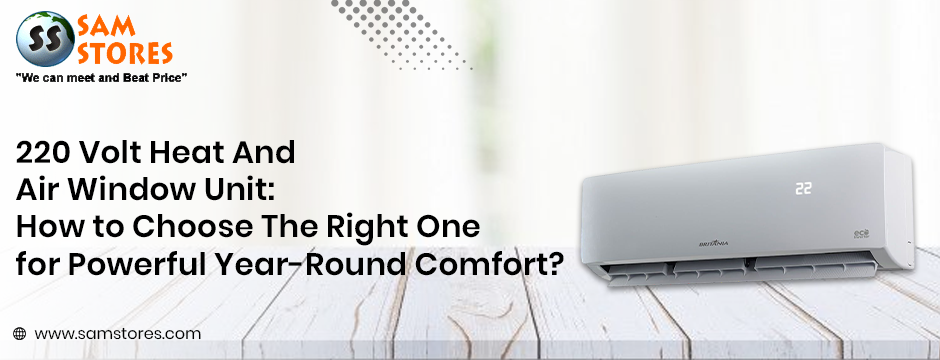
220 Volt Heat And Air Window Unit: How to Choose The Right One for Powerful Year-Round Comfort?

A few summers ago, a homeowner upgraded to a larger living space, expecting more comfort and freedom. However, something unexpected happened. The existing cooling system struggled to keep the room comfortable. Summers felt warmer, winters felt colder, and energy bills started climbing.

This situation is more common than many people realize. Larger rooms, garages, apartments, workshops, and commercial spaces often require more power than standard air conditioners can deliver. That is where a 220-volt heat and air window unit becomes a practical solution.

Instead of installing expensive central HVAC systems, many homeowners prefer powerful window units that both cool and heat effectively. However, choosing the right model requires understanding room size, energy needs, and essential features.

This guide explains everything buyers should know before investing in a high-performance unit that keeps spaces comfortable throughout the year.

Why Are More People Choosing 220 Volt Window Units?

Not every room responds well to standard cooling systems. Some spaces require stronger airflow and better temperature control.

Traditional 110V air conditioners often struggle in:

  • Large bedrooms
  • Open living areas
  • Workshops and garages
  • Offices and retail spaces
  • Apartments with poor airflow

A 220-volt heat and air window unit delivers greater cooling and heating power, making it ideal for demanding environments.

Unlike smaller systems, these units are designed to handle larger square footage while maintaining consistent temperatures.

What Makes A 220 Volt Unit Different?

The biggest difference lies in power capacity.

A 220V system typically provides higher BTU output compared to standard units. This means better performance in larger spaces without overworking the system.

For many households, a 220-volt air conditioner with heat eliminates the need for separate heating devices during colder months. Instead of purchasing additional equipment, one unit handles both cooling and warmth.

This dual functionality often makes them more cost-effective over time.

Is A 220 Volt Window AC Right for Your Space?

Imagine entering a room during peak summer heat and instantly feeling relief. Now imagine that same room staying comfortably warm during winter.

That level of consistency matters, especially in spaces where people spend long hours.

A 220-volt window AC may be the right choice if:

How The Braun 220 Volt Hair Dryer Redefines Everyday Glamour_

Your Room Is Larger Than Average

Large rooms require stronger airflow and better temperature distribution. Smaller AC units often cycle continuously, increasing electricity consumption while still failing to cool properly.

You Need Heating & Cooling Together

Seasonal temperature changes create challenges. Buying separate systems increases both upfront costs and maintenance. A 220-volt air conditioner window unit provides year-round functionality in one compact system.

You Want Better Energy Efficiency

Although more powerful, many modern units are designed to optimize electricity usage. Energy-saving settings, programmable thermostats, and smart controls help reduce operating costs.

How to Choose The Right 220 Volt Heat And Air Window Unit?

Choosing an air conditioning system should never feel rushed. The right investment improves comfort for years.

Here are the most important factors to consider.

1. Match the BTU to Your Room Size

BTU capacity determines how effectively the unit heats and cools.

A small room does not require the same output as a workshop or living area.

General recommendations include:

  • 350–550 sq. ft.: 12,000–14,000 BTU
  • 550–1,000 sq. ft.: 18,000–24,000 BTU
  • Larger commercial areas: 24,000+ BTU

Choosing the wrong size reduces efficiency and increases wear.

2. Prioritize Heating Performance

Many buyers focus only on cooling. However, heating performance matters equally.

A reliable 220-volt heat and air window unit should provide consistent warmth during colder months without excessive energy consumption.

Look for models with:

  • Supplemental heating mode
  • Adjustable thermostats
  • Multiple fan speeds
  • Auto temperature controls

These features improve comfort and efficiency.

3. Check Energy Efficiency Ratings

Nobody wants an uncomfortable electricity bill. Modern systems often include energy-saving modes that maintain temperature while reducing power consumption.

Features worth considering include:

  • Energy Saver Mode
  • Sleep Mode
  • Programmable Timers
  • Smart Temperature Sensors

These additions improve convenience while controlling monthly costs.

4. Consider Installation Requirements

Before purchasing, verify electrical compatibility. Since these systems require higher voltage, proper outlets are essential. A licensed technician may be needed in some situations.

Checking installation requirements early prevents costly surprises later.

Common Buying Mistakes to Avoid

Many buyers regret purchases because they overlook essential factors.

Here are some common mistakes:

Choosing Based on Price Alone

Lower-priced systems may lack durability or heating efficiency. A slightly higher investment often delivers better long-term value.

Ignoring Room Size

Oversized units cycle too quickly. Undersized units struggle continuously. Both situations reduce efficiency and comfort.

Forgetting Noise Levels

Bedrooms, offices, and study areas benefit from quieter operation. So, look for units designed with low-noise functionality.

Overlooking Smart Features

Wi-Fi controls, digital thermostats, and remote operation simplify daily use. These features often make comfort management much easier.

Why Year-Round Comfort Is Important?

Modern homes are no longer used only for relaxing. Many people now work remotely, run businesses, or spend more time indoors.

Comfort directly affects productivity, sleep quality, and daily well-being.

Imagine trying to focus in a hot office during summer or waking up cold during winter. Small discomforts eventually become major frustrations. A properly selected 220-volt heat and air window unit solves these challenges while maintaining reliable indoor comfort throughout the year.

Why Many Buyers Trust Sam Stores?

When purchasing home appliances online, buyers often want reliability as much as performance.

Sam Stores has built a reputation for offering quality appliances suited for modern homes and workspaces. Customers looking for durable climate control solutions often prefer retailers that provide dependable products, variety, and expert guidance.

Whether upgrading an existing setup or choosing a first system, finding the right unit becomes easier with access to trusted options and practical support.

How to Maintain Your Window Unit for Better Performance?

Even premium systems require proper maintenance. Simple care habits improve efficiency and extend lifespan.

Clean Filters Regularly

Dust buildup affects airflow and performance. Monthly cleaning helps maintain consistent heating and cooling.

Inspect the Exterior Unit

Outdoor exposure may collect debris over time. Keeping vents clear improves efficiency.

Check Temperature Settings

Constantly adjusting temperatures increases system strain. Maintaining stable settings often improves energy savings.

Schedule Seasonal Maintenance

Occasional professional servicing helps identify issues before they become expensive problems. Preventive care keeps systems running smoothly for years.

End Note

Choosing the right cooling and heating system is about more than convenience. It directly affects comfort, energy costs, and daily living quality.

A well-selected 220-volt heat and air window unit provides powerful performance for larger spaces while eliminating the need for separate seasonal appliances. By understanding room size, efficiency, and essential features, buyers can make smarter long-term decisions.

Whether cooling during summer or staying warm in winter, investing in the right system ensures consistent comfort. With trusted appliance options available through Sam Stores, finding dependable climate solutions becomes a much easier experience.

Frequently Asked Questions

What is a 220-volt heat and air window unit used for?

It is designed to cool and heat larger spaces efficiently using a higher-voltage power source.

Is a 220-volt air conditioner with heat better for large rooms?

Yes. These units generally offer higher BTU capacity, making them more effective in larger areas.

Can a 220-volt air conditioner window unit replace central heating?

In some spaces, yes. A 220-volt air conditioner window unit can effectively heat and cool individual rooms without a central HVAC.

Does a 220-volt window AC consume more electricity?

It uses more power but often cools and heats faster, which can improve overall efficiency.

How long does a 220V window unit usually last?

With proper maintenance, many units perform efficiently for 10–15 years.

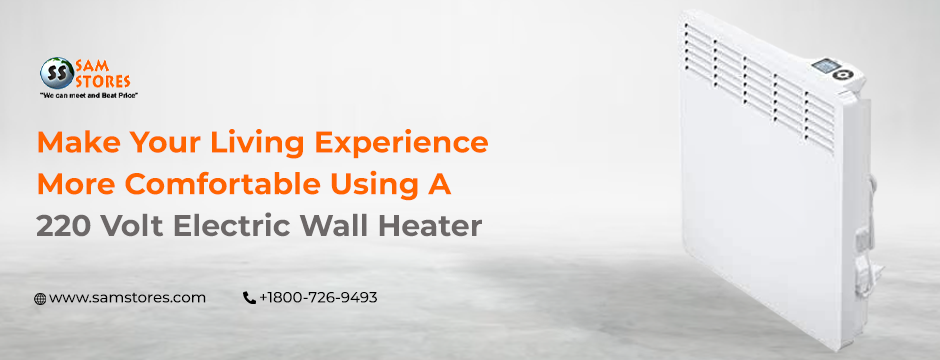
Make Your Living Experience More Comfortable Using A 220 Volt Electric Wall Heater

Comfort at home depends heavily on consistent indoor temperature. Cold environments often disrupt relaxation, productivity, and even sleep quality. Many households struggle with inefficient heating solutions during the winter months. Traditional heaters consume space and energy without delivering uniform warmth.

A 220-volt electric wall heater offers a modern, efficient, and space-saving solution. It blends convenience with performance, making it ideal for contemporary living spaces. Whether upgrading or installing a new system, this option provides reliable warmth without clutter.

This guide explores how wall-mounted heating solutions enhance comfort, improve energy efficiency, and support a better lifestyle.

Why Heating Comfort Matters in Modern Living Spaces?

Indoor comfort directly influences overall well-being. Poor heating systems create uneven temperatures, leading to discomfort in daily routines. Cold corners and fluctuating warmth often cause inconvenience.

Modern homes demand consistent and controlled heating systems. Energy-efficient solutions also help reduce electricity bills while maintaining comfort. Therefore, selecting the right heating system becomes essential for long-term satisfaction.

Wall-mounted heaters provide targeted warmth. They distribute heat evenly, ensuring a cozy and stable environment.

What Is A 220 Volt Electric Wall Heater?

A 220-volt electric wall heater is a fixed heating unit installed directly onto walls. It operates using higher voltage, delivering stronger and faster heating compared to standard units.

These heaters are designed for efficiency and convenience. They eliminate the need for bulky equipment placed on floors. Additionally, they integrate seamlessly into modern interiors.

Unlike portable heaters, wall-mounted units provide consistent heating without frequent adjustments. This makes them ideal for bedrooms, living rooms, and offices.

Key Benefits of Wall-Mounted Electric Heating Systems

1. Space-Saving Design

Wall-mounted heaters free up valuable floor space. This is especially useful in compact apartments or small rooms.

Their sleek design blends effortlessly with interiors. They remain unobtrusive while delivering powerful performance.

2. Energy Efficiency

Energy efficiency remains a top priority for homeowners. These heaters use electricity effectively, reducing unnecessary energy waste.

Higher voltage ensures quicker heating. This reduces operational time and lowers overall electricity consumption.

3. Even Heat Distribution

Uneven heating often creates discomfort. Wall heaters solve this problem by distributing heat evenly across the room. Henceforth, this ensures every corner receives warmth. It improves overall living comfort significantly.

4. Easy Installation & Maintenance

Installation is simple when handled by professionals. Once installed, maintenance requirements remain minimal.

These systems require occasional cleaning and basic checks. This makes them a hassle-free heating option.

How 220 Volt Wall-Mounted Electric Heaters Improve Daily Comfort?

Daily routines become smoother in a well-heated environment. Cold mornings often make simple tasks uncomfortable. A reliable heating system changes this experience completely.

How The Braun 220 Volt Hair Dryer Redefines Everyday Glamour_

220-volt wall-mounted electric heaters provide instant warmth. This eliminates waiting time and enhances convenience.

They also maintain consistent temperatures. This stability supports better sleep and relaxation. Additionally, these heaters operate quietly. This creates a peaceful atmosphere without distracting noise.

Ideal Spaces to Install Wall Heaters

  • Living Rooms

Living rooms require balanced heating for family gatherings. Wall heaters ensure even warmth across larger spaces. They also maintain aesthetic appeal without occupying floor space.

  • Bedrooms

Bedrooms demand quiet and consistent heating. Wall-mounted heaters provide both without disruption. They help maintain a comfortable sleeping environment throughout the night.

  • Offices & Workspaces

Work productivity improves in a comfortable environment. Proper heating eliminates distractions caused by cold conditions. Wall heaters fit perfectly in professional settings. They deliver efficient heating without clutter.

  • Bathrooms

Bathrooms often feel colder than other areas. Installing a wall heater ensures warmth during use. This enhances comfort during colder months significantly.

Factors to Consider before Choosing A Wall Heater

  • Room Size

Room size determines the heater capacity required. Larger rooms need more powerful units. Therefore, choosing the correct size ensures efficient heating without energy waste.

  • Energy Consumption

Energy ratings play a crucial role in decision-making. Efficient models reduce long-term electricity costs. Henceforth, selecting energy-saving options supports sustainable living.

  • Safety Features

Safety remains essential for any electrical appliance. Look for features like overheating protection and automatic shut-off. These features ensure safe and reliable operation.

  • Design & Aesthetics

Modern interiors demand stylish solutions. Wall heaters come in various designs to match different décor styles. Choosing the right design enhances the overall room appearance.

Installation Tips for Maximum Efficiency

Proper installation ensures optimal performance. Incorrect placement may reduce heating efficiency. Install the heater at an appropriate height. This allows better heat circulation throughout the room.

Moreover, avoid placing furniture directly in front of the unit. Obstructions may block airflow and reduce effectiveness. Professional installation is always recommended. It ensures safety and correct setup.

Maintenance Practices for Long-Term Performance

Regular maintenance extends the lifespan of heating systems. Simple practices help maintain efficiency.

  • Clean vents to remove dust buildup
  • Check wiring periodically for safety
  • Ensure airflow remains unobstructed

These steps improve performance and prevent potential issues. Consistent care keeps the heater functioning effectively for years.

Comparing Wall Heaters with Traditional Heating Systems

Traditional heaters often consume more space and energy. They also require frequent adjustments for temperature control. Wall-mounted heaters offer a more advanced solution. They provide consistent warmth with minimal effort.

Additionally, they enhance room aesthetics. Traditional heaters rarely align with modern design preferences. Energy efficiency also favors wall-mounted systems. They deliver better results with lower energy consumption.

Environmental Along with Cost Benefits

Energy-efficient heating systems contribute to environmental sustainability. Reduced energy consumption lowers carbon footprint.

Cost savings become noticeable over time. Efficient systems reduce electricity bills significantly. Investing in advanced heating solutions provides both economic and environmental benefits.

Common Misconceptions about Wall Heaters

Some believe wall heaters are difficult to install. In reality, professional installation makes the process straightforward. Others assume higher voltage means higher energy consumption. However, efficient operation often reduces overall usage.

Another misconception involves safety concerns. Modern units include advanced safety features for secure operation. Understanding these facts helps make informed decisions.

Sam Stores offers high-quality heating solutions designed for modern needs. Their products focus on efficiency, durability, and performance.

They prioritize customer satisfaction through reliable products and expert support. So, choosing a trusted brand ensures long-term value and dependable performance.

Final Thoughts

Creating a comfortable living environment requires efficient and reliable heating systems. Traditional options often fall short in performance and convenience.

A 220 volt electric wall heater provides a modern solution for consistent warmth and energy efficiency. It enhances daily comfort while saving space and reducing costs.

Investing in advanced heating technology improves both lifestyle and home value. Choosing the right system ensures long-term comfort and satisfaction.

How The Braun 220 Volt Hair Dryer Redefines Everyday Glamour?

Salon-perfect hair has always felt like a luxury reserved for special occasions. Between busy schedules, rising salon costs, and constant heat exposure, maintaining professional styles daily often feels unrealistic. Many women settle for quick fixes that compromise hair health or styling flexibility. However, beauty routines are evolving, and home styling is now redefining modern glamour.

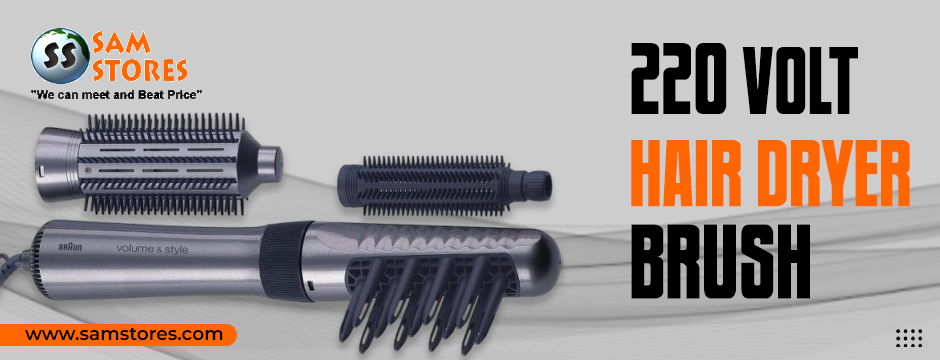
The Braun Satin Hair 3 Airstyler bridges the gap between professional results and everyday convenience. This 220 Volt hair dryer is designed for women who enjoy changing their look without damaging their hair.

This styling tool, available at Sam Stores, delivers salon-quality finishes while remaining gentle and intuitive. With thoughtful engineering and hair-friendly technology, it transforms daily hairstyling into a smooth, enjoyable ritual.

How The Braun 220 Volt Hair Dryer Redefines Everyday Glamour_

Why Salon-Quality Styling at Home Matters Today?

Modern lifestyles demand beauty solutions that are efficient yet indulgent. Women want tools that adapt to their pace without compromising hair health. At-home styling has shifted from being a backup option to becoming a confident beauty choice.

Professional looks at home offer several long-term benefits. They reduce dependency on salon heat treatments and allow more creative freedom. Most importantly, they support healthier hair through controlled, consistent styling.

The Braun Satin Hair 3 Airstyler fits perfectly into this mindset. It empowers users to create polished styles while protecting natural shine and texture.

Introducing The Braun Satin Hair 3 Airstyler

The Braun Satin Hair 3 Airstyler is crafted to dry and style hair simultaneously. This dual functionality minimizes excessive heat exposure while speeding up daily routines. Instead of harsh blasts of heat, it uses gentle airflow combined with even temperature distribution.

This 220 Volt hair dryer is especially suited for women who value versatility.

So, whether the goal is smooth volume, soft curls, or a natural blowout, the device adapts easily. Each feature is designed with hair safety and styling comfort in mind.

Ceramic Technology That Protects And Enhances Shine

100% Ceramic Coating for Even Heat Distribution

Hair damage often occurs due to uneven heat exposure. The Braun Satin Hair 3 Airstyler addresses this with a 100% ceramic-coated styling barrel. This coating ensures heat spreads evenly across the surface, preventing hot spots that cause dryness and breakage.

Ceramic technology also helps seal the hair cuticle. As a result, hair looks smoother, shinier, and healthier after every styling session. This makes daily use safer, even for fine or chemically treated hair.

Gentle Heat for Long-Term Hair Health

Unlike traditional styling tools that rely on intense heat, this airstyler prioritizes controlled warmth. The gentle heat approach reduces moisture loss, helping hair retain its natural softness. Over time, this contributes to stronger, more resilient strands.

Effortless Styling with Smart Design Features

Automated Curl Release for Tangle-Free Styling

Tangled hair is a common frustration during at-home styling. The Braun Satin Hair 3 Airstyler includes an automated roll-out function that releases hair smoothly after styling. This feature prevents snagging, pulling, and unnecessary breakage.

The result feels intuitive and stress-free, even for beginners. With our 220 Volt hair dryer, styling becomes quicker, smoother, and far more enjoyable.

Specifically Designed Styling Attachments

The airstyler comes with carefully engineered attachments that distribute heat evenly. Each attachment serves a distinct styling purpose, allowing users to switch looks effortlessly without switching tools.

Available attachments include:

  • Small round brush (18mm) for defined curls and shorter hair
  • Big round brush (36mm) for volume and soft blowouts
  • Volume finger for added lift at the roots

These attachments support precision styling while maintaining consistent airflow.

Versatility That Matches Every Mood And Occasion

One of the standout qualities of the Braun Satin Hair 3 Airstyler is its adaptability. Whether preparing for work, a casual outing, or a special event, it offers reliable styling flexibility.

Two Temperature & Airflow Settings

Different hair types require different heat levels. The airstyler includes two temperature and airflow settings, allowing customization based on hair texture and desired style. This ensures effective styling without unnecessary heat stress.

Fine hair benefits from lower settings, while thicker hair achieves smooth results with increased airflow.

Lightweight Design with Comfortable Handling

The ergonomic design makes styling sessions comfortable, even when creating detailed looks. A two-meter cable provides freedom of movement, making it easy to style from any angle.

At 400 watts, the airstyler balances power and efficiency. It delivers reliable performance without overwhelming heat output.

Creating Professional Looks without Salon Visits

Smooth Blowouts at Home

Achieving a salon-style blowout often feels challenging at home. With the Braun Satin Hair 3 Airstyler, smooth volume becomes accessible. The big round 220 Volt hair dryer brush lifts roots while smoothing lengths, creating a polished finish that lasts.

The gentle airflow prevents frizz while enhancing natural movement.

Soft Curls & Natural Waves

Defined curls do not require curling irons anymore. The small round brush allows controlled curling without excessive heat. The automated curl release ensures each curl forms cleanly and releases smoothly.

So, such an approach creates soft, touchable curls that feel natural rather than overstyled.

Everyday Volume That Looks Effortless

Flat hair can affect overall confidence. The volume finger attachment targets roots directly, adding lift without stiffness. Hence, it creates a fuller appearance that looks light and natural throughout the day.

A Styling Tool That Feels Luxurious yet Practical

Luxury in beauty tools is no longer about complexity. It is about thoughtful design, ease of use, and reliable results. The Braun Satin Hair 3 Airstyler reflects this modern definition of luxury.

Its ceramic coating, intelligent airflow, and tangle-free operation elevate everyday styling. At the same time, its simplicity ensures anyone can use it confidently.

This balance makes it ideal for women who want consistent results without professional assistance.

Ideal for Gifting across Borders

The Braun Satin Hair 3 Airstyler also makes a thoughtful gift choice. With its universal appeal and practical luxury, it suits women of different ages and hair types. Its 220–240 volt compatibility makes it especially convenient for gifting to family and friends overseas.

Gifting a styling tool that prioritizes hair health adds long-term value beyond aesthetics.

Built on Trust, Expertise, And Proven Design

Braun has a long-standing reputation for quality engineering and user-focused innovation. The Satin Hair 3 Airstyler reflects this legacy through its durable build and hair-safe technology.

From ceramic heat distribution to ergonomic handling, each feature supports reliable performance. Users are not just purchasing a styling tool. They are investing in healthier hair routines backed by thoughtful design.

End Note

Everyday glamour should feel effortless, not exhausting. The Braun Satin Hair 3 Airstyler makes professional styling achievable without stepping into a salon. It respects hair health while encouraging creativity and confidence.

For women who love switching styles without sacrificing shine, this 220 Volt hair dryer offers a smart solution. It proves that salon-quality hair can start at home, every single day. With gentle heat, versatile attachments, and intuitive features, it transforms daily routines into moments of self-care. That is the true essence of modern beauty. So, if you want to purchase such a useful hairdryer for yourself, visit Sam Stores today

Why Choosing a Reputable Brand 220 Volt Air Conditioner Matters

When it comes to cooling your home or office, investing in a high-quality 220 volt air conditioner is more than just a comfort decision. It is an investment in efficiency, durability, and long-term savings. With the summer months becoming increasingly intense, the need for reliable cooling solutions is essential. While the market is flooded with a variety of air conditioners, not all products deliver the same level of performance, reliability, or safety. This is why selecting a reputable brand for your 220 volt air conditioner and heater is crucial.

Reliable Performance and Cooling Efficiency

The primary reason to choose a trusted brand is the assurance of consistent performance. A reputable 220 volt wall air conditioner or portable unit is designed and tested to operate efficiently under standard electrical conditions. Low-quality or unbranded air conditioners may provide initial cooling, but they often fail to maintain consistent temperatures over extended periods. In contrast, branded units undergo rigorous quality testing to ensure that every component functions optimally.

Efficiency is another important factor. High-quality brands focus on energy-saving technologies that reduce power consumption without compromising cooling capacity. This not only helps lower electricity bills but also reduces the environmental impact of operating an air conditioner. For example, reputable brands often feature advanced inverter technology that adjusts compressor speed based on the cooling requirement, delivering precise temperatures and saving energy.

Safety and Compliance

Electrical appliances, especially those operating at 220 volts, must meet strict safety standards. A 220 volt wall air conditioner from a recognized brand ensures compliance with electrical safety regulations. Safety features like overheat protection, fire-resistant materials, and surge protection are often standard in branded units.

In contrast, lesser-known or generic air conditioners may lack these critical safety measures. Using a low-quality unit could pose serious risks, including electrical short circuits, fires, or even damage to your home wiring. Choosing a reputable brand ensures that you receive a product designed to operate safely in your environment.

converter-adapter-110v-to-220v

Longevity and Durability

A key advantage of investing in a branded 220 volt air conditioner and heater is the longevity of the product. Well-known brands use high-quality components that withstand regular use over many years. From the compressor to the condenser coil and electronic controls, every element is engineered to last.

Durable air conditioners also require fewer repairs, saving you the inconvenience and expense of frequent maintenance. While a cheaper model might seem cost-effective initially, recurring repairs and replacement parts can make it far more expensive in the long run. Choosing a trusted brand reduces the risk of breakdowns and ensures a longer lifespan for your cooling equipment.

Warranty and Customer Support

Another significant benefit of purchasing from a reputable brand is the availability of a comprehensive warranty. Branded air conditioners typically come with manufacturer warranties that cover defects and provide peace of mind. This is especially important for a 220 volt wall air conditioner, which represents a substantial investment.

Beyond warranties, branded companies provide reliable customer support. Whether it is installation guidance, maintenance tips, or troubleshooting assistance, you can count on the brand to stand behind its product. Unbranded units rarely offer such support, leaving buyers to manage repairs and technical issues on their own.

Advanced Features and Innovation

Reputable brands continuously invest in research and development to improve their products. Modern 220 volt air conditioners and heaters are equipped with features that enhance comfort and convenience. Features such as smart thermostats, app-based remote control, multiple fan speeds, sleep mode, and energy-saving modes are commonly found in branded models.

These innovations are more than just marketing gimmicks. They provide real benefits, including precise temperature control, improved indoor air quality, and energy efficiency. Choosing a reputable brand ensures that you gain access to the latest technology, keeping your home comfortable and your energy costs manageable.

Better Resale Value

If you ever plan to sell your home or office, a branded air conditioner adds value. Prospective buyers recognize the reliability and performance of established brands, which can make your property more attractive. On the other hand, unbranded or low-quality units may be seen as a liability, reducing the overall appeal of your property.

Easy Access to Spare Parts

Over time, components of an air conditioner may require replacement. A branded 220 volt wall air conditioner ensures easy availability of spare parts and service centers. This is essential for maintaining performance and extending the lifespan of the unit. Generic air conditioners may lack support networks, making repairs time-consuming, expensive, or even impossible in some regions.

Energy Efficiency and Cost Savings

Energy efficiency is a major consideration when selecting any appliance. Branded 220 volt air conditioners and heaters are designed to maximize cooling while minimizing energy consumption. This is achieved through precise engineering, high-quality compressors, and efficient refrigerants.

Investing in an energy-efficient unit reduces your monthly electricity bills while minimizing environmental impact. Over time, the savings on energy costs can offset the higher initial investment in a branded air conditioner. Cheaper, low-quality models often consume more electricity, leading to higher operational costs despite their lower purchase price.

Indoor Air Quality

Modern branded 220 volt air conditioners are not just about cooling. They are engineered to improve indoor air quality. Features like advanced filtration systems, dust and pollen traps, and antibacterial coatings help create a healthier living environment. This is particularly important for households with children, elderly members, or anyone with respiratory issues. Unbranded or budget models often lack such features, providing basic cooling without improving the air you breathe.

Noise Levels

Comfort is not only about temperature but also about a quiet environment. Reputable brands invest in soundproofing and vibration-reducing technologies to ensure that 220 volt wall air conditioners operate quietly. Cheaper alternatives may produce loud, disruptive noises that affect concentration, sleep, or relaxation. Choosing a recognized brand ensures a peaceful and comfortable indoor environment.

Sam Stores: Your Trusted Partner for 220 Volt Air Conditioners

At Sam Stores, we understand the importance of reliable cooling and heating solutions. We offer a wide range of 220 volt air conditioners and heaters, including 220 volt wall air conditioners, from reputable brands that guarantee performance, safety, and durability.

We pride ourselves on providing products that meet the highest quality standards. Our team ensures that every appliance we offer is genuine, tested, and suitable for use worldwide. With Sam Stores, you gain not only access to top-tier air conditioners but also fast shipping, real support, and a seamless shopping experience. Our goal is to help you stay comfortable while making a smart investment for your home or office.

Final Thoughts

Selecting a 220 volt air conditioner from a reputable brand is not just about luxury; it is about making a responsible, long-term decision. From safety and durability to energy efficiency and advanced features, branded air conditioners deliver value and peace of mind that cheap, generic alternatives cannot match.When you invest in a trusted brand, you are investing in reliable performance, cost savings, and comfort. Whether it is a 220 volt wall air conditioner for a permanent installation or a portable 220 volt air conditioner and heater for flexible cooling and heating, choosing a well-known brand ensures that you enjoy years of consistent performance.

Common Transformer Failures and How to Diagnose Them

Electricity powers everything from home appliances to industrial machinery. At the heart of this flow sits a quiet workhorse that most people only think about when something goes wrong. Transformers.

Whether you rely on voltage transformers for industrial operations, voltage converters for imported equipment, or travel converters to keep devices safe overseas, transformer failures can cause downtime, damage, and costly replacements.

At Sam Stores, we regularly hear the same questions from customers.

  • “Why did my transformer suddenly stop working?”
  • “Why is my equipment overheating?”
  • “Why did my 220 volt power tools burn out?”

This guide breaks down the most common transformer failures, how to spot them early, and what practical steps you can take before a small issue turns into an expensive problem.

Why Transformer Failures Happen More Often Than You Think

Transformers are designed to be durable, but they are not indestructible. Failures usually happen for simple reasons that get overlooked.

  • Incorrect voltage selection
  • Overloading
  • Poor ventilation
  • Low quality components
  • Improper installation
  • Environmental stress such as dust or moisture

Many users assume transformers fail randomly. In reality, most failures leave clear warning signs long before they shut down completely.

Understanding these signs can save you money and protect your equipment.

Failure #1: Overheating and Thermal Breakdown

What Causes It

Overheating is the most common transformer failure worldwide. It usually occurs when a transformer is pushed beyond its rated capacity.

This often happens when users connect high-draw devices like 220 volt power tools without checking the transformer’s wattage rating.

Other causes include blocked airflow, high ambient temperatures, or placing the transformer in enclosed spaces.

Warning Signs

  • Transformer feels hot to the touch
  • Burning smell or discoloration
  • Buzzing sound louder than usual
  • Automatic shutdown if thermal protection exists

How to Diagnose

Disconnect the load and allow the transformer to cool. Check the total wattage of connected devices. Compare it to the transformer’s rated capacity.

If the load exceeds 80 percent of capacity during normal use, overheating is very likely.

How to Prevent It

  • Always size transformers above the actual load
  • Ensure proper ventilation
  • Use industrial-grade voltage transformers for continuous operation
  • Avoid stacking equipment on top of transformers

Sam Stores offers load-rated transformers specifically designed for high-demand applications where overheating is a concern.

Failure #2: Insulation Breakdown

What Causes It

Transformer insulation protects internal windings from short circuits. Over time, insulation can degrade due to heat, moisture, or voltage spikes.

This is common in cheaper voltage converters or units used in humid environments without proper sealing.

converter-adapter-120v-to-240v

Warning Signs

  • Tripping circuit breakers
  • Unstable output voltage
  • Crackling or popping sounds
  • Visible insulation damage

How to Diagnose

Use a multimeter to check output stability. Sudden voltage fluctuations often point to insulation failure. Visual inspection may reveal darkened windings or brittle insulation.

How to Prevent It

  • Use sealed transformers in humid locations
  • Avoid exposing units to water or condensation
  • Choose high-quality insulation materials
  • Replace aging transformers before total failure

For long-term reliability, Sam Stores supplies transformers built with reinforced insulation designed for harsh environments.

Failure #3: Voltage Mismatch and Incorrect Conversion

What Causes It

Using the wrong transformer for the application is a silent killer of equipment. This is especially common with imported tools and appliances.

For example, running 220 volt power tools on an underpowered or incorrect converter can destroy both the tool and the transformer.

Many travelers also confuse adapters with travel converters, assuming they perform voltage conversion when they do not.

Warning Signs

  • Devices run slower or faster than normal
  • Unusual noise from motors
  • Shortened equipment lifespan
  • Instant device failure

How to Diagnose

Check the input voltage, output voltage, and frequency requirements of your equipment. Compare them with transformer specifications.

If the transformer does not match both voltage and wattage requirements, replacement is necessary.

How to Prevent It

  • Understand the difference between adapters and converters
  • Use true voltage transformers for power tools
  • Avoid cheap step-down units for heavy loads
  • Consult experts before purchasing

Sam Stores helps customers select the correct voltage solution for both travel and industrial needs.

Failure #4: Loose Connections and Poor Wiring

What Causes It

Loose terminals, undersized wiring, or poor internal soldering can cause arcing and overheating. This often occurs in low-quality units or after frequent movement.

Portable travel converters are especially vulnerable if handled roughly.

Warning Signs

  • Intermittent power
  • Sparking at terminals
  • Buzzing or humming
  • Power loss under load

How to Diagnose

Inspect terminals and wiring for looseness or corrosion. Gently wiggle connections while monitoring output voltage.

How to Prevent It

  • Use secure mounting for permanent installations
  • Avoid frequent unplugging under load
  • Choose products with reinforced terminals
  • Perform periodic inspections

Sam Stores stocks transformers built for portability without sacrificing internal durability.

Failure #5: Core Saturation and Excessive Noise

What Causes It

Core saturation occurs when a transformer is driven beyond its design limits. This often results from incorrect frequency input or voltage overload.

This issue is common when using foreign equipment without proper conversion.

Warning Signs

  • Loud humming or vibration
  • Reduced efficiency
  • Heat buildup
  • Distorted output voltage

How to Diagnose

Check input frequency compatibility. Some equipment requires precise frequency matching, not just voltage conversion.

How to Prevent It

  • Use frequency-compatible voltage transformers
  • Avoid mixing industrial and consumer equipment
  • Select purpose-built converters

Failure #6: Environmental Damage

What Causes It

Dust, moisture, chemical fumes, and temperature extremes slowly degrade transformer components.

Warehouses, workshops, and construction sites expose transformers to harsh conditions daily.

Warning Signs

  • Rust or corrosion
  • Dust buildup blocking airflow
  • Sticky residue on surfaces
  • Unexpected shutdowns

How to Diagnose

Visual inspection combined with performance testing often reveals environmental damage.

How to Prevent It

  • Use enclosed transformer housings
  • Clean units regularly
  • Store unused transformers properly
  • Select industrial-rated products

Sam Stores provides transformers designed for rugged real-world use, not ideal lab conditions.

Troubleshooting Checklist Before Replacing a Transformer

Before assuming a transformer is dead, walk through this checklist.

  • Confirm correct input voltage
  • Measure output voltage under load
  • Check for overheating
  • Inspect wiring and terminals
  • Verify load wattage
  • Test with a known working device

Many issues turn out to be load mismatches or wiring faults rather than transformer failure.

When Replacement Is the Smarter Choice

Sometimes repair is not cost-effective. Replace a transformer if:

  • Insulation damage is visible
  • Core overheating persists
  • Output voltage is unstable
  • Safety features no longer function

Cutting corners here risks damaging expensive equipment.

Why Quality Matters More Than Price

Cheap transformers often fail silently and early. Quality units protect both your investment and your safety.

At Sam Stores, we focus on reliability because customers rely on us for:

  • Industrial voltage transformers
  • Heavy-duty voltage converters
  • Reliable travel converters
  • Safe solutions for 220 volt power tools

We help customers choose the right product the first time, not after something breaks.

Final Thoughts

Transformer failures rarely happen without warning. Overheating, noise, voltage instability, and insulation damage all send clear signals.

Knowing how to diagnose these problems helps you act early, reduce downtime, and avoid unnecessary costs.

Whether you are powering industrial equipment, international tools, or travel electronics, the right transformer makes all the difference.If you need expert guidance, durable products, or honest advice, Sam Stores is here to help you power safely and confidently.