220 Volt Diesel Generator for Home Use: What Can It Power?

A power outage is inconvenient when it lasts for a few minutes. When it stretches into several hours, it can become a serious problem.

The refrigerator stops running. Lights go out. Fans and air conditioners become unusable. Wi-Fi equipment shuts down. If you work from home, operate essential equipment or simply want reliable backup power for your family, a generator can make a big difference.

This is where a 220 volt diesel generator can be a practical choice for home backup power.

But there is an important question to answer before buying one: What can a 220 volt diesel generator actually power?

The answer depends on the generator’s rated output, the appliances you want to operate and how much power those appliances need when starting. Choosing a generator simply because it says 220V on the label is not enough. You need to look at voltage, wattage, frequency, phase and the combined electrical load.

For homeowners looking for dependable backup power, Sam Stores offers generator options designed to provide practical performance without making the buying process unnecessarily complicated.

What Is a 220 Volt Diesel Generator?

A 220 volt diesel generator uses a diesel engine to produce electrical power at around 220 volts. Depending on the model, the output may be specified within the 220 to 240 volt range.

For many household applications, this voltage range makes the generator suitable for powering common electrical equipment, provided the appliance specifications and generator output are compatible.

A typical household generator may be used for:

  • Refrigerators and freezers
  • Ceiling and portable fans
  • Lighting systems
  • Televisions
  • Wi-Fi routers and networking equipment
  • Computers and workstations
  • Washing machines
  • Water pumps
  • Kitchen appliances
  • Air conditioners, depending on capacity
  • Selected power tools and workshop equipment

The key point is that voltage compatibility and generator capacity are two different things.

A generator can provide the correct voltage but still be too small to run several high-powered appliances at the same time.

How Much Can a 220 Volt Diesel Generator Power?

Generator capacity is normally expressed in watts or kilowatts.

For example, a 6 kW generator has a rated output of approximately 6,000 watts. That does not mean you should continuously operate equipment right at the maximum rating. Leaving some capacity available provides a useful safety margin and helps accommodate appliances with higher starting requirements.

Consider a basic household load:

ApplianceApproximate Running Power
Refrigerator150 to 400W
LED lights50 to 200W
Ceiling fans60 to 100W each
Television80 to 200W
Wi-Fi router10 to 30W
Computer100 to 300W
Washing machine400 to 1,000W
Water pump500 to 1,500W+
Microwave1,000 to 1,500W
Air conditioner1,000 to 2,500W+

These figures are only general estimates. Actual consumption varies considerably between appliances and models.

A refrigerator, for instance, may consume relatively little electricity once it is running, but its compressor can require considerably more power during startup. The same principle applies to pumps, air conditioners and other equipment containing motors or compressors.

That is why calculating the total load before buying is so important.

Running Watts vs Starting Watts: The Detail Many Buyers Miss

One of the most common generator-buying mistakes is looking only at running wattage.

Some appliances need additional power for a short period when they start. This is known as starting, surge or startup wattage.

Imagine that your refrigerator normally consumes 300 watts while running. Its starting requirement could be substantially higher. If your generator is already operating several other appliances, that temporary increase could overload the system.

The same issue can arise with:

  • Air conditioners
  • Refrigerators
  • Freezers
  • Water pumps
  • Compressors
  • Power tools

When selecting a 220 volt diesel generator, make a list of the appliances you expect to run together. Note both their running and starting requirements where available.

This simple step can help you choose a generator that is genuinely suited to your home rather than one that only looks suitable on paper.

What Can a 220 Volt Diesel Generator Run During an Outage?

For many homeowners, the goal is not to operate every appliance in the house simultaneously. Instead, it is to keep essential systems running.

A properly sized generator can potentially support a combination such as:

Essential load

  • Refrigerator
  • Several lights
  • Fans
  • Television
  • Wi-Fi router
  • Computer

Medium load

  • Washing machine
  • Water pump
  • Additional lighting
  • Kitchen appliances

Higher load

  • Air conditioner
  • Electric water heater
  • Large pump
  • Heavy workshop equipment

The actual combination depends on the generator’s capacity and the electrical requirements of each appliance.

If you need air conditioning, pumping equipment and multiple large appliances at the same time, you will generally need more generator capacity than someone who only wants lighting, refrigeration and basic electronics.

Is a 240 Volts Generator Single Phase Suitable for a Home?

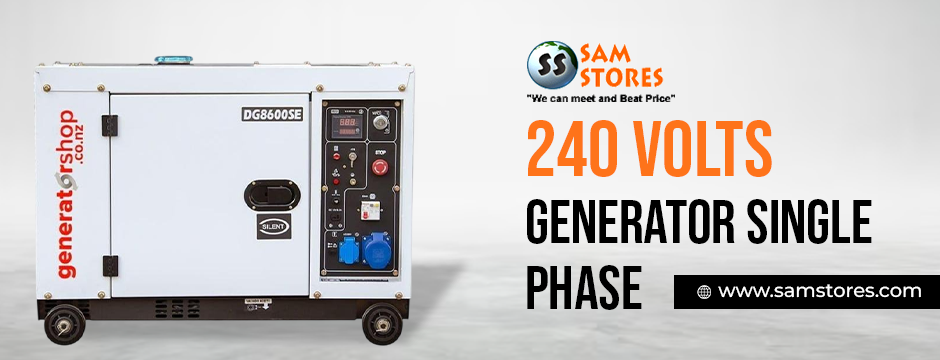
A 240 volts generator single phase can be appropriate for residential applications where the home’s electrical system and appliances are designed for compatible voltage and single-phase power.

Single-phase generators are commonly considered for houses, small offices, workshops and other applications where three-phase electrical power is not required.

However, don’t assume that every 220V, 230V or 240V appliance can automatically be connected to every generator. Electrical standards differ between countries and properties.

Before purchasing, check:

  1. The voltage requirements of your appliances.
  2. Whether your electrical system is single-phase or three-phase.
  3. The generator’s rated output.
  4. The generator’s frequency.
  5. Plug and outlet compatibility.
  6. Whether professional installation or a transfer switch is required.

If you are uncertain, speak with a qualified electrician before connecting a generator to your home’s electrical system.

Why Consider Diesel for Home Backup Power?

Diesel generators have earned a strong reputation for backup and demanding applications because diesel engines are built for sustained operation.

For homeowners who experience frequent or lengthy power interruptions, diesel can be an attractive option.

A diesel generator can offer several advantages:

Built for Extended Operation

Diesel engines are commonly used in applications where generators may need to operate for extended periods. That makes them particularly useful during prolonged outages.

Strong Performance

Diesel engines are well suited to handling demanding electrical loads, especially when the generator is correctly sized for the application.

Practical for Frequent Backup Use

If your generator is going to be used regularly rather than sitting untouched for years, a diesel model can be worth considering.

Suitable for More Than Just Emergencies

A sufficiently powerful unit can potentially support a home workshop, agricultural equipment, water pumping and other applications beyond basic emergency lighting.

What Is a 220-240 Volts Generator?

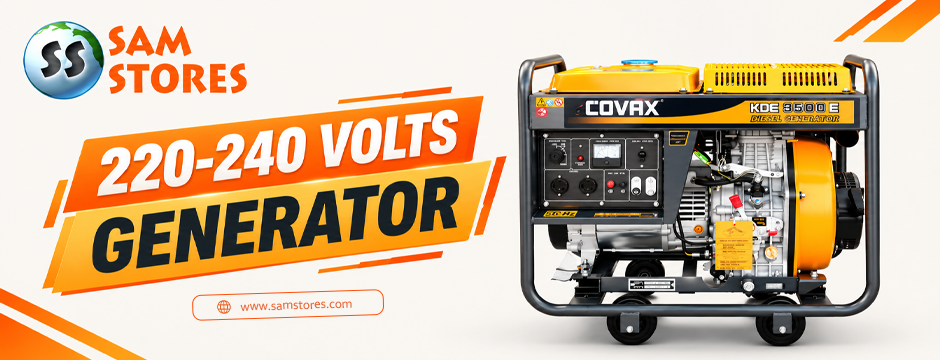
You may come across the term 220-240 volts generator while shopping for backup power equipment.
How The Braun 220 Volt Hair Dryer Redefines Everyday Glamour_

This generally indicates that the generator’s electrical output falls within the 220 to 240 volt range, depending on the model and its operating specifications.

For buyers, the important thing is to look beyond the voltage figure.

Check the complete specification, including:

  • Rated power
  • Maximum power
  • Frequency
  • Phase
  • Engine type
  • Fuel tank capacity
  • Starting system
  • Outlet configuration
  • Safety features

A generator with the right voltage but insufficient wattage will not solve your backup power requirements.

Don’t Forget About Fuel Capacity

Generator runtime depends on several factors, including engine efficiency, fuel tank capacity and the electrical load being placed on the generator.

A generator running at a light load may consume fuel differently from one operating close to its rated capacity.

For example, a model with a larger fuel tank can be particularly convenient when you expect extended outages because you may not need to refuel as frequently.

Still, fuel capacity should not be your only purchasing consideration. A larger tank does not automatically mean a better generator. The generator needs to match your home’s actual power requirements.

Features Worth Looking For in a Home Generator

A good home backup generator should be more than an engine attached to an alternator.

Depending on your requirements, useful features can include an electric start, voltage monitoring, low-oil protection, robust outlets and wheels for easier movement.

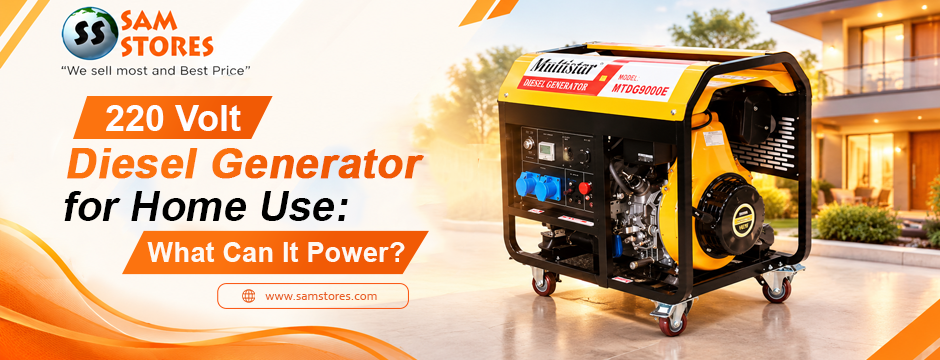
The Multistar MTDG9000E available from Sam Stores is a good example of a generator designed around practical usability. It provides 220 to 240 volt output at 50 Hz and has a rated power of around 6.0 kW. Its design also includes features such as an LCD volt meter, oil alert, splash-proof outlets and wheels.

For homeowners, these details matter because a generator needs to be straightforward to monitor and operate, particularly during an unexpected outage.

How to Choose the Right Generator for Your Home

Before choosing a 220 volt diesel generator, take five minutes to work out what you actually need.

Step 1: List Your Essential Appliances

Write down everything you want to keep running during an outage.

Step 2: Check Their Wattage

Look at the rating plate or manufacturer’s specifications for each appliance.

Step 3: Identify High-Starting-Load Appliances

Refrigerators, pumps and air conditioners may require additional startup power.

Step 4: Add Your Loads

Calculate the approximate running wattage of the appliances you expect to use simultaneously.

Step 5: Allow Some Headroom

Avoid choosing a generator that operates at its absolute limit all the time. Some spare capacity can make the system more practical and flexible.

Step 6: Check Voltage and Phase

Make sure the generator’s output matches your electrical requirements. This is especially important when comparing 220V, 230V and 240V equipment.

Why Buy Your Generator From Sam Stores?

Buying a generator is not simply about finding the lowest price. You are investing in backup power that you may depend on when the electricity goes out.

Sam Stores gives buyers access to generator equipment for different power requirements, making it easier to compare specifications and find an appropriate solution.

Whether your priority is keeping essential home appliances running, supporting a workshop or maintaining critical equipment during an outage, choosing based on actual electrical demand is the smarter approach.

A 220 volt diesel generator can be an excellent home backup solution when the capacity, voltage, phase and appliance requirements are properly matched.

Final Thoughts

A home generator should make life easier during a power failure, not create another problem.

The right 220 volt diesel generator can keep essential appliances operating, maintain refrigeration, support lighting and electronics, and potentially handle larger equipment when its capacity is sufficient.

The secret is choosing based on your actual power requirements rather than simply buying the biggest or cheapest generator available.

Start with your appliances. Calculate their running and starting loads. Check voltage and phase requirements. Then compare generator specifications carefully.

If your home needs dependable backup power in the 220 to 240 volt range, explore the generator options available from Sam Stores and choose a model that gives you the capacity and features you genuinely need.

FAQs

1. What can a 220 volt diesel generator power at home?
A 220 volt diesel generator can potentially power refrigerators, lights, fans, televisions, computers, Wi-Fi equipment, washing machines, pumps and other appliances, depending on its wattage capacity and the combined electrical load.

2. Is a 220 volt diesel generator suitable for home use?
Yes. A properly sized 220 volt diesel generator can provide reliable residential backup power. Before connecting one, make sure its voltage, frequency, phase and output are compatible with your home’s electrical system.

3. Can a 220 volt diesel generator run an air conditioner?
It can, provided the generator has sufficient capacity to handle both the air conditioner’s running and startup power requirements. Larger air conditioners may require considerably more generator capacity.

4. What is the difference between a 220-240 volts generator and a 240 volts generator single phase?
A 220-240 volts generator describes its voltage output range, while a 240 volts generator single phase also specifies the phase configuration. Always check the complete generator and appliance specifications before connecting equipment.

5. How do I choose the right 220 volt diesel generator?
List the appliances you need during an outage, check their running and starting wattage, calculate the combined load and select a generator with sufficient rated capacity and appropriate voltage and phase specifications.
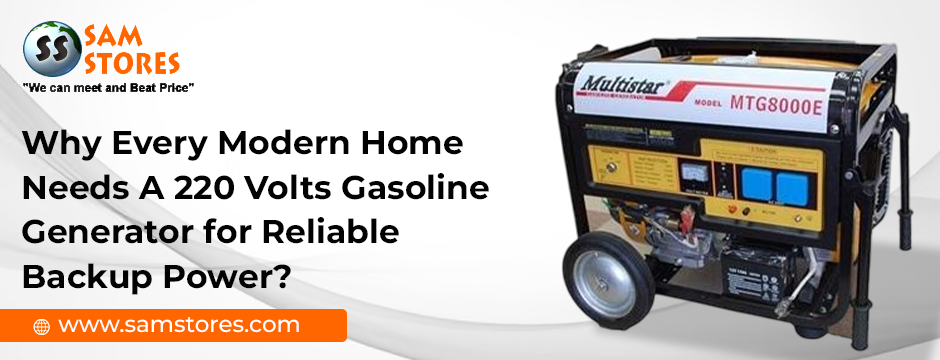
Why Every Modern Home Needs A 220 Volts Gasoline Generator for Reliable Backup Power?

Power outages rarely arrive with warnings. They disrupt routines, damage appliances, and create unexpected discomfort. In many homes, especially those with higher electrical demands, a 220 volts gasoline generator becomes more than a backup—it becomes a necessity. Sam Stores understands this growing need and focuses on practical, reliable power solutions for modern households.

Understanding Household Power Needs

Every home relies on electricity for daily comfort. From refrigerators to air conditioners, power keeps everything running smoothly. However, not all generators meet these needs effectively.

A standard low-voltage generator may handle basic lighting. Yet, it often struggles with heavy appliances. This is where higher voltage systems come into play.

A 220-volt generator supports appliances requiring more power. These include:

  • Air conditioners
  • Water pumps
  • Electric heaters
  • Washing machines
  • Kitchen equipment

As households adopt more advanced appliances, energy demand increases steadily. Therefore, choosing the right generator becomes essential.

Why Voltage Matters More Than Your Imagination?

Voltage determines how efficiently electricity powers devices. A mismatch can lead to poor performance or equipment damage.

A 220-volt system delivers higher efficiency for heavy-duty appliances. It reduces strain on electrical circuits and ensures stable performance. Additionally, it minimizes the risk of overheating.

In contrast, lower voltage generators often overload quickly. This leads to frequent shutdowns and reduced lifespan.

For homes with multiple high-power devices, voltage compatibility becomes critical. It ensures uninterrupted performance during outages.

Common Situations Where You Need A Generator

Power needs vary based on location, lifestyle, and household size. However, certain scenarios make a 220 volts gasoline generator almost essential.

1. Frequent Power Cuts

Areas with unstable electricity face regular outages. These interruptions can disrupt work, food storage, and daily routines. A generator ensures continuity. It keeps essential appliances running without interruption.

2. Remote Or Semi-Urban Living

Homes located away from city centers often experience delayed power restoration. In such cases, backup power becomes crucial.

A gasoline generator offers independence from the grid. It provides reliable electricity whenever needed.

3. Home-Based Work or Business

Remote work has become increasingly common. Power interruptions can lead to productivity loss and missed deadlines.

A reliable generator maintains internet connectivity and device operation. It ensures professional consistency.

4. Medical Equipment Dependence

Some households rely on medical devices requiring constant power. Any interruption can pose serious risks. A high-capacity generator ensures uninterrupted operation. It offers peace of mind in critical situations.

Benefits of Choosing A 220-Volt Gasoline Generator

Selecting the right generator involves understanding its advantages. A well-matched system improves both efficiency and convenience.

  • Higher Power Output

A 220-volt generator handles multiple appliances simultaneously. It eliminates the need to prioritize devices during outages.

How The Braun 220 Volt Hair Dryer Redefines Everyday Glamour_
  • Better Appliance Compatibility

Many modern appliances require higher voltage. A compatible 240 Volt single-phase generator ensures optimal performance without damage.

  • Portable and Convenient

Gasoline generators are easy to move and store. They do not require complex installation processes.

  • Quick Start Capability

Unlike some alternatives, gasoline generators start quickly. This feature proves useful during sudden outages.

  • Cost-Effective Solution

Compared to larger systems, gasoline generators offer affordability. They deliver strong performance without excessive investment.

Comparing Generator Types: Why Gasoline Stands Out?

Different generator types serve different purposes. Understanding these differences helps in making informed decisions.

Gasoline Generators

  • Easy to use
  • Widely available fuel
  • Suitable for short-term outages

Diesel Generators

  • Higher efficiency
  • Longer lifespan
  • More expensive upfront

Inverter Generators

  • Quiet operation
  • Fuel-efficient
  • Limited power capacity

For most households, gasoline generators strike the right balance. They combine affordability, convenience, and performance.

Key Features to Look For before Buying

Choosing the right generator requires careful consideration. Several features determine overall performance and usability.

  • Power Capacity: Calculate total wattage requirements before purchase. This ensures the generator meets household needs effectively.
  • Fuel Efficiency: Efficient fuel consumption reduces operating costs. It also ensures longer runtime during outages.
  • Safety Features: Look for overload protection and automatic shutdown. These features protect both the generator and connected appliances.
  • Noise Levels: Lower noise levels improve comfort. This becomes important in residential areas.
  • Build Quality: Durable construction ensures long-term reliability. It also reduces maintenance requirements.

A well-chosen generator offers both performance and longevity.

Safety Tips for Using Gasoline Generators

Safety should always remain a priority. Improper usage can lead to serious hazards.

  • Never operate generators indoors
  • Keep them away from windows and doors
  • Use proper extension cords
  • Store fuel safely
  • Perform regular maintenance

Following these practices ensures safe and efficient operation.

How Sam Stores Adds Value to Your Purchase?

Buying a generator involves more than just selecting a product. It requires trust, guidance, and reliable support.

Sam Stores focuses on delivering quality and convenience. The platform offers a range of generators suited for different needs. Detailed product descriptions help buyers make informed decisions.

Additionally, customer support ensures smooth purchasing experiences. From selection to delivery, the process remains simple and transparent.

This commitment builds trust and aligns with modern buyer expectations.

Long-Term Benefits of Investing in the Right Generator

A generator is not just an emergency tool. It becomes a long-term asset for your home.

It protects appliances from sudden shutdowns. Furthermore, it ensures comfort during extreme weather conditions. It also supports productivity in work-from-home environments.

Over time, the value of a reliable generator becomes evident. It reduces stress and enhances overall living standards.

Final Thoughts

Power interruptions can disrupt life in many ways. However, the right backup solution changes everything. A 220 volts gasoline generator offers reliability, efficiency, and peace of mind.

For households with higher energy demands, this investment proves essential. It supports modern appliances and ensures uninterrupted comfort.

Sam Stores continues to provide dependable solutions for evolving needs. Choosing the right generator today ensures a more secure and comfortable tomorrow.

Frequently Asked Questions (FAQs)

What appliances can a 220-volt generator run at home?

A 220-volt generator can power heavy appliances like air conditioners, refrigerators, washing machines, and water pumps efficiently.

Is a 220 volts gasoline generator suitable for daily use?

A 220 volts gasoline generator works best for backup situations, but it can support daily needs in areas with frequent outages.

How long can a gasoline generator run continuously?

Runtime depends on fuel capacity and load. Most models run between 6 and 12 hours on a full tank.

Are gasoline generators safe for residential use?

Yes, they are safe when used outdoors with proper ventilation and regular maintenance practices.

How do I choose the right generator size for my house?

Calculate the total wattage requirements of essential appliances. Then, choose a generator with slightly higher capacity for safety.

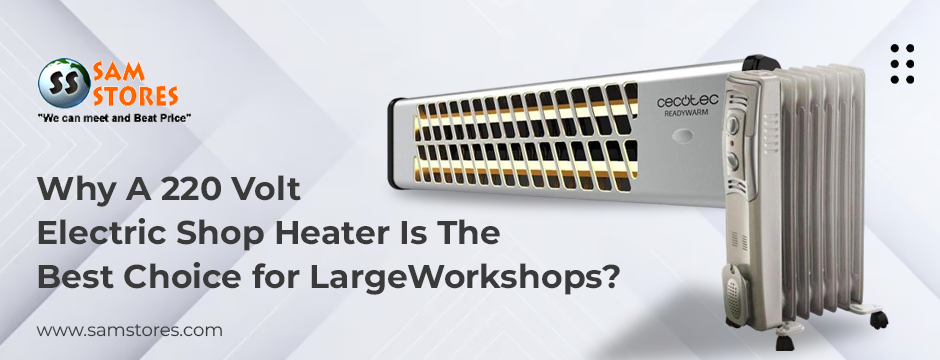
Why A 220 Volt Electric Shop Heater Is The Best Choice for Large Workshops?

Heating a large workshop is never as simple as plugging in a small portable heater and hoping for the best. Workshops are typically expansive, open areas with high ceilings, concrete floors, rolling doors, and minimal insulation. These structural features make heat retention difficult, especially during colder months. As a result, standard residential heaters often fail to maintain a comfortable and consistent temperature.

In such a situation, a 220 Volt electric shop heater would be a great choice. How?

When temperatures drop, productivity follows. Cold environments affect worker efficiency, reduce concentration, and even impact machinery performance. Tools can become brittle, lubricants may thicken, and certain materials may become harder to handle. Therefore, selecting the right heating solution is not just about comfort; it is about operational efficiency.

A 220V electric heater for shops stands out as one of the most reliable and practical solutions for large workshop environments. Its higher power capacity, efficiency, durability, and safety features make it a superior choice compared to lower-voltage or fuel-based alternatives.

The Power Advantage of 220 Volts

The primary difference between standard heaters and a 220V electric heater for shops lies in electrical capacity. Most household heaters operate on 110 to 120 volts, which limits their heat output. While suitable for small rooms or offices, they struggle in larger industrial spaces.

A 220 Volt system, on the other hand, allows for significantly higher wattage. Higher wattage translates into stronger heat output and better coverage across wide areas. This added capacity enables the heater to warm large workshops quickly and maintain consistent temperatures without overworking the unit.

Instead of running continuously at maximum output, a properly sized 220V heater reaches the desired temperature efficiently and then cycles on and off as needed. This balanced operation improves both performance and longevity.

Designed for Large, Open Workspaces

Workshops present unique heating challenges. Large garage doors open frequently, allowing cold air to enter. High ceilings cause warm air to rise, leaving working areas colder. Concrete floors absorb and retain cold temperatures. All of these factors demand a heating system with substantial power.

How The Braun 220 Volt Hair Dryer Redefines Everyday Glamour_

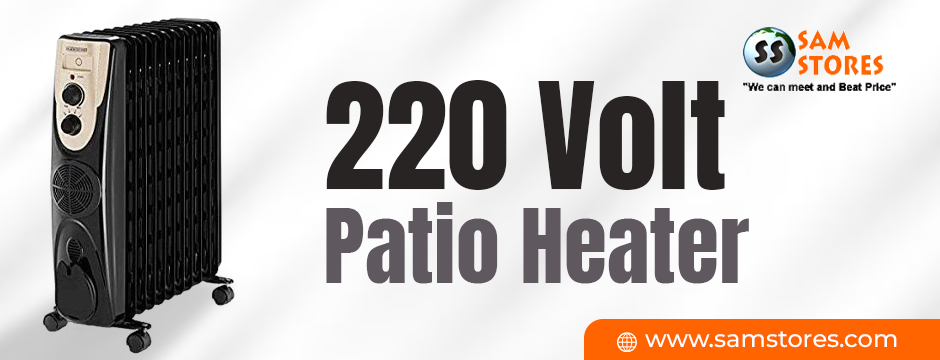
A 220 Volt patio heater is specifically designed to address these conditions. Many models include fan-forced systems that push warm air evenly throughout the space. This reduces cold spots and ensures consistent heating at ground level where work takes place.

In contrast, smaller heaters often create uneven temperature zones. Workers may feel warm near the unit but cold elsewhere. Over time, this inconsistency becomes uncomfortable and inefficient.

Faster Heat-Up Time for Immediate Productivity

Time is valuable in any workshop setting. Employees should not spend the first hour of the day waiting for the space to warm up.

A high-powered 220V electric shop heater delivers rapid heating performance. Thus, it allows the workshop to reach comfortable temperatures quickly. This fast heat-up capability is particularly important during early mornings or sudden temperature drops.

Instead of prolonged discomfort, workers can begin tasks promptly in a warm and stable environment. Maintaining productivity from the start of the day directly benefits operational output and employee morale.

Long-Term Energy Efficiency

Some assume that higher voltage automatically means higher energy bills. However, efficiency depends on how effectively a system performs its job. A lower-powered heater may run continuously without ever fully warming a large space. Continuous operation consumes more electricity over time.

A 220 Volt electric shop heater operates differently. Because it produces more heat in less time, it reaches target temperatures faster. Once achieved, the thermostat regulates operation efficiently. This cycling system reduces unnecessary runtime and minimizes wasted energy.

When properly sized for the space, a 220V heater can actually lower overall energy consumption compared to multiple smaller units running simultaneously.

Built for Durability in Demanding Environments

Workshops are rarely gentle environments. Dust, debris, vibration, and heavy equipment are common. Heating systems must withstand these conditions without frequent breakdowns.

Most 220V electric shop heater models are constructed with heavy-duty materials such as steel housings and reinforced heating elements. Many units are wall-mounted or ceiling-mounted, keeping them out of harm’s way and preserving valuable floor space.

Additionally, built-in safety features such as thermal cut-off protection and overheat sensors provide extra reliability. These safeguards ensure safe operation during long work hours and demanding seasonal use.

A Cleaner And Safer Heating Option

Safety is a top priority in workshops, especially those handling flammable materials, chemicals, or wood dust. Fuel-based heaters, including propane or gas systems, involve open flames and combustion gases. These systems require ventilation and careful monitoring.

A 220 Volt patio heater eliminates these concerns. Because it operates without combustion, it produces no fumes, smoke, or carbon monoxide. This makes it ideal for enclosed spaces where ventilation may be limited.

Electric heating also removes the need to store fuel tanks, reducing clutter and lowering fire risks. For businesses seeking a safer and more compliant heating solution, electric systems offer significant advantages.

Precise Temperature Control

Maintaining stable temperatures in a workshop protects both people and materials. Sudden temperature fluctuations can affect paints, adhesives, finishes, and sensitive equipment.

Most 220V electric heater units for shops come equipped with advanced thermostat controls. Some feature digital displays and programmable settings, allowing precise adjustments based on working hours and seasonal needs.

Consistent temperature control enhances comfort while protecting tools and materials from temperature-related damage. This stability contributes to smoother operations and higher-quality output.

Reduced Noise for Better Work Conditions

Industrial spaces often generate considerable noise from machinery and tools. Adding a loud heating system can further disrupt communication and concentration.

Many modern 220V electric heater models for shops are engineered for quieter performance. While fan-forced units naturally produce some sound, they typically operate at manageable noise levels that do not interfere with daily operations.

Lower noise levels improve teamwork, reduce stress, and create a more professional working environment.

Simplified Installation & Integration

Large workshops frequently have access to 220V circuits for heavy machinery such as welders, air compressors, and industrial tools. This makes integrating a 220 Volt electric shop heater relatively straightforward.

A licensed electrician can install the heater safely on a dedicated breaker, ensuring stable performance without overloading the system. Once installed, operation becomes simple and reliable.

Ceiling-mounted options also maximize space efficiency, keeping pathways clear and preserving usable floor area.

Cost-Effective over Time

While the initial investment in 220V electric heaters for shops or garages may be higher than smaller units, long-term savings often justify the expense. Electric heaters require less maintenance than gas or propane systems. There are no burners to clean, no pilot lights to maintain, and no fuel filters to replace.

Fewer moving parts reduce the likelihood of breakdowns. Maintenance is generally minimal and straightforward. Over time, these advantages lower total ownership costs.

When evaluating heating solutions for a large workshop, it is important to consider not only the purchase price but also operating efficiency, maintenance requirements, and lifespan.

Ideal for Various Industrial Applications

A 220V electric heater for large shopping areas is suitable for a wide range of large spaces, including automotive garages, woodworking shops, metal fabrication facilities, warehouses, agricultural buildings, and maintenance workshops. Each of these environments requires consistent and reliable heating to maintain productivity.

By delivering strong performance and even heat distribution, these heaters meet the demands of diverse industrial settings.

End Note

Heating a large workshop requires careful planning and the right equipment. Small residential heaters simply cannot provide the power and coverage necessary for expansive industrial spaces. A 220 Volt electric shop heater offers the capacity, efficiency, durability, and safety features needed to maintain a comfortable and productive environment.

With faster heat-up times, consistent temperature control, lower maintenance demands, and improved long-term efficiency, it represents a practical and reliable solution.

For workshop owners and facility managers seeking dependable performance during colder months, investing in a 220V system is a decision that supports both operational success and workplace comfort. So, if you are looking for electric heaters for your indoor or outdoor areas, visit Sam Stores. Here, you’ll get various types of heaters, so the options are many.

Before Purchasing a Portable Generator, There Are Five Things You Should Know

You never know when an emergency will strike. It’s prudent to be prepared for the worst, ensuring that you have enough food, water, medical supplies, and, most importantly, a source of electricity. And luckily, you can cross that last point off your list by purchasing a 240-volt AC generator.


Continue reading “Before Purchasing a Portable Generator, There Are Five Things You Should Know“

Advantages of a Small 240-volt Generator

Nothing is more inconvenient than having your power cut off when you most need it. Unfortunately, power outages are still common in the United States, with some areas suffering more than others. So if you’re tired of living through nights of heavy storms and the freezing weather, invest in a small 240-volt generator as soon as possible.

Continue reading “Advantages of a Small 240-volt Generator”

Guidelines to Find the Right Voltage Transformers

A voltage transformer is a device used for converting electrical output from either 220 volts to 110 volts or from 110 volts to 220 volts. It is an essential tool that allows you to safely use your kitchen appliances, entertainment systems, and other electronic devices. You will specifically find this tool handy when traveling to foreign countries that have lower or higher electronic outputs than what your device needs. In case you need to buy a voltage transformer, here are the things that you must take into consideration. Continue reading “Guidelines to Find the Right Voltage Transformers”

Uses of Various Types of Converters & Transformers

Converters and transformers can seem confusing—but you must understand what they are and what they do if you travel frequently and/or want to be able to run all kinds of appliances and electronic devices in your home. Both transformers and converters are primarily used to step up or step down the voltage to make it compatible with your device or appliance. However, there are differences in terms of how they should be used. Continue reading “Uses of Various Types of Converters & Transformers”

Latest and Branded 220v Appliances

Buying 220v appliances may help you save money, especially if you buy them before you move to another country where 220v is the standard. There are US-based appliance stores that carry a wide range of branded and highly-rated 220v appliances online. It can be convenient to buy the necessary appliances sooner because they might not be available where you are going, or they could cost higher elsewhere. Here are some of the latest and branded 220v appliances that you should consider:

Continue reading “Latest and Branded 220v Appliances”