Power interruptions are inconvenient at home, but they can become expensive for businesses, workshops, farms, and job sites. So, when dependable backup power matters, a generator can provide much-needed peace of mind.
However, choosing the right 220 volt diesel generator involves more than checking its wattage. Fuel type, voltage, phase configuration, runtime, maintenance requirements, noise levels, and connected equipment all influence the buying decision.
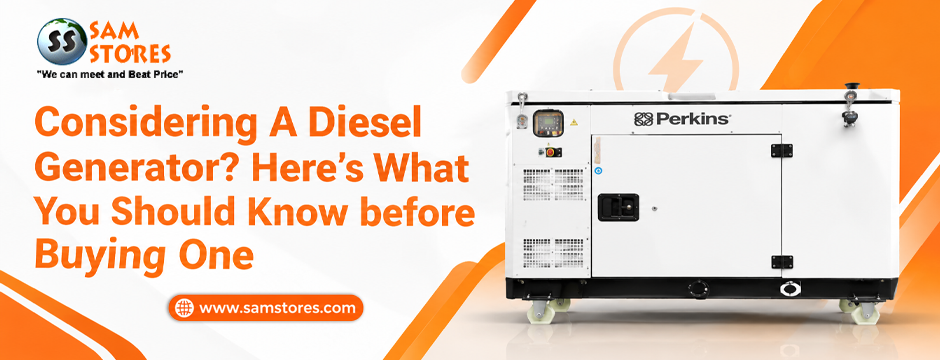
If you are considering a diesel generator, understanding how diesel generators work and where they fit into your power requirements can help you make a more confident purchase.
Why Consider A Diesel Generator?
Diesel generators have earned a strong reputation for durability and dependable performance. They are commonly used in environments where generators may need to operate for extended periods.
Diesel engines are designed to handle demanding workloads. This makes them suitable for commercial facilities, construction sites, agricultural operations, workshops, and other applications where consistent backup power is important.
Another advantage is fuel efficiency. Under suitable operating conditions, diesel generators can provide efficient fuel consumption while delivering substantial power output.
That does not automatically make diesel the best choice for everyone. Your usage pattern matters.
If you only need occasional backup power for a few household appliances, a smaller gasoline generator may be more practical. For frequent or heavier-duty use, however, diesel becomes much more attractive.
Understanding 220 Volt Generator Requirements
Voltage is one of the first specifications you should consider before buying a generator. Your generator needs to match the electrical requirements of the equipment you intend to operate.
A 220 volt diesel generator can be appropriate for equipment designed to operate around the 220-volt range. This voltage is commonly associated with heavier electrical loads than those handled by many standard household circuits.
Before purchasing, check the voltage requirements printed on your appliances, machinery, tools, or electrical equipment.
You should also consider the generator’s rated and maximum output. A generator that technically produces the required voltage may still be unsuitable if its power capacity cannot handle your connected load.
Diesel Vs. Gasoline: Which Makes More Sense?
Fuel type can significantly influence your ownership experience.
Gasoline generators are often chosen because they are widely available and can be convenient for occasional use. They can work well for lighter applications where portability and short operating periods are priorities.
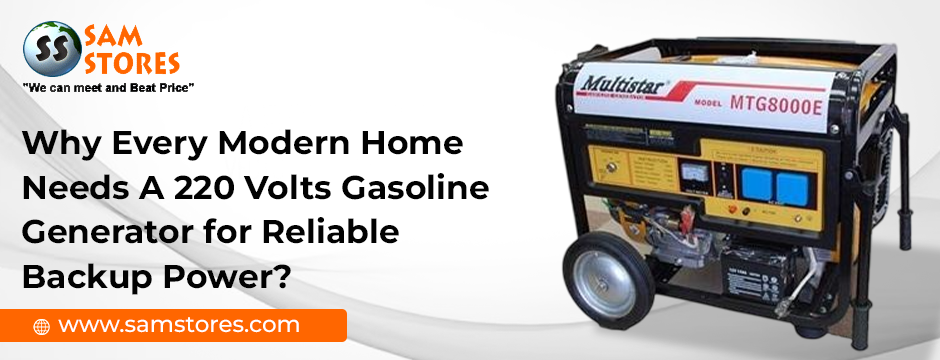
A 220 volts gasoline generator may therefore appeal to homeowners or users who need temporary backup power without running a generator regularly.
Diesel generators, meanwhile, are generally better suited to demanding applications and longer operating periods. Diesel engines are known for their robust construction and ability to handle sustained workloads.
The right choice ultimately depends on how often you expect to use the generator, how much power you need, and the environment in which it will operate.
Single-Phase Generators And Electrical Compatibility
Another specification that often gets overlooked is phase configuration.
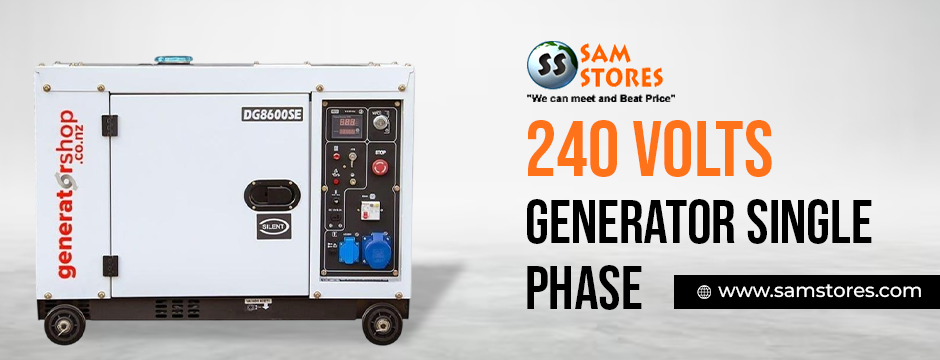
A 240 volt single phase generator is designed for electrical systems and equipment requiring single-phase power at the specified voltage. Single-phase generators can be suitable for many residential applications, small businesses, workshops, and selected equipment.
Three-phase generators are generally more appropriate for larger commercial or industrial systems that use three-phase electrical loads.
Never choose a generator based solely on its voltage rating. The phase configuration must also correspond with your electrical system and equipment. If you are uncertain about compatibility, reviewing the equipment specifications or consulting a qualified electrician before purchasing can prevent expensive mistakes.
How Much Generator Capacity Do You Actually Need?
Buying the biggest generator available is not necessarily the smartest approach.
Start by identifying everything you expect to operate during a power outage. This could include lighting, refrigerators, pumps, computers, tools, air-conditioning equipment, machinery, or other electrical systems.
Then determine their running wattage and starting wattage.
Some equipment requires considerably more power when its motor starts. Refrigerators, pumps, compressors, and air-conditioning systems are common examples.
For example, a generator may comfortably handle the running load of several devices but struggle when multiple motors start simultaneously. Create a realistic load calculation before shopping. It helps you avoid both under-sizing and unnecessary overspending.
What about 220-240 Volt Generators?
Some buyers search for 220-240 volts generator options because their equipment or electrical system falls within this voltage range. The important point is to understand the exact output specifications rather than assuming every generator labelled within this range will work for every application.
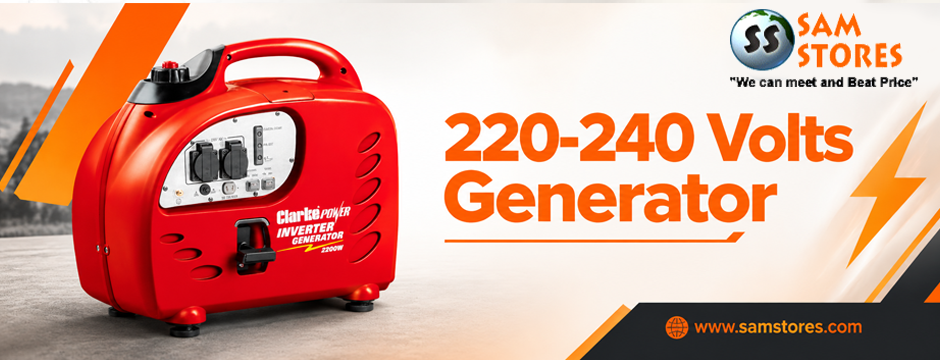
Voltage tolerance, frequency, phase, amperage, and connection configuration can all matter. Your equipment’s manufacturer specifications should therefore be the starting point. Once you know the required electrical characteristics, you can compare generator models with much greater confidence.
Think about Runtime before You Buy
A generator’s fuel tank capacity and fuel consumption determine how long it can operate before refuelling. For occasional emergency use, runtime may not be your biggest concern. For businesses or work sites, it can be extremely important.
Imagine losing grid power during a long workday. Constantly stopping to refuel can interrupt operations and create additional inconvenience.
Look at the manufacturer’s stated runtime under specific load conditions. Remember that runtime usually changes depending on how heavily the generator is loaded. A generator running at a lighter load may consume less fuel than one operating close to its maximum capacity.
Maintenance Should Be Part of The Buying Decision
Every engine-powered generator requires maintenance. Diesel models are no exception. Regular servicing helps maintain reliable performance and can reduce the likelihood of unexpected problems during an outage.
Typical maintenance considerations include:
- Engine oil and filter changes
- Fuel filter inspection or replacement
- Air filter maintenance
- Battery checks
- Cooling-system inspection
- Fuel-system checks
- General electrical and mechanical inspection
Maintenance intervals vary between generator models. So, always follow the manufacturer’s service recommendations rather than relying on a generic schedule.
A generator is an emergency investment. Keeping it maintained ensures it is ready when you actually need it.
Don’t Ignore Noise, Location And Ventilation
Power output is important, but installation conditions matter too.
Diesel generators can produce substantial engine noise, particularly under heavy loads. If the generator will operate near homes, offices, or customer-facing areas, consider its acoustic characteristics before purchasing.
Location is equally important.
Generators should operate in properly ventilated areas because combustion engines produce exhaust gases. They should never be operated in enclosed spaces where dangerous fumes can accumulate.
The installation area should also provide adequate clearance, protection from excessive weather exposure, and convenient access for servicing. For permanently installed systems, professional installation is particularly important.
Consider Long-Term Operating Costs
The purchase price is only one part of the total cost of owning a generator. Consider fuel consumption, routine servicing, replacement parts, installation, battery maintenance, and potential repairs.
A cheaper generator may not always be the most economical option over several years. Likewise, buying a significantly larger generator than necessary can increase acquisition and operating costs.
Think about your actual usage rather than choosing based solely on upfront price. For frequent operation, efficiency and durability can have a much greater impact on long-term value.
When Is A Diesel Generator The Right Choice?
A diesel generator can make considerable sense when reliability and sustained performance are priorities.
It may be particularly suitable if you:
- Expect frequent or extended generator use
- Need backup power for demanding equipment
- Operate a workshop, farm, business, or construction site
- Require dependable performance during prolonged outages
- Want an engine designed for heavy-duty applications
- Prefer to evaluate long-term operating efficiency
On the other hand, occasional users with relatively modest power requirements may find a gasoline generator more convenient. The best generator is not necessarily the most powerful one. It is the one that matches your electrical requirements, operating environment, usage frequency, and budget.
Make Your Generator Purchase with Confidence
Choosing a generator becomes much easier once you stop looking at voltage as the only specification. A reliable buying decision considers voltage, phase, wattage, fuel type, runtime, maintenance, installation requirements, and the equipment you need to power.
Whether you are comparing diesel and gasoline models or evaluating different voltage configurations, take time to understand your actual electrical needs first.
For buyers considering backup power for demanding applications, a 220 volt diesel generator can be a practical solution when its specifications match the intended load.
Sam Stores makes it easier to approach your purchase with the right questions in mind. Compare specifications carefully, understand your power requirements, and choose a generator designed for the way you actually plan to use it.
FAQs
1. What is a 220 volt diesel generator used for?
A 220 volt diesel generator can provide backup electricity for compatible residential, commercial, agricultural, workshop, and job-site equipment.
2. Is a diesel generator better than a gasoline generator?
Diesel generators are generally suited to heavier and longer-duration use, while gasoline models can be convenient for lighter or occasional applications.
3. What should I check before buying a diesel generator?
Check voltage, wattage, phase, fuel consumption, runtime, installation requirements, maintenance needs, and the electrical specifications of your equipment.
4. What does single-phase mean in a generator?
Single-phase refers to the electrical configuration produced by the generator and must match the requirements of the equipment or electrical system being powered.
5. How do I calculate the generator size I need?
Add the running wattage of the equipment you need to power and account for the higher starting wattage required by motors and compressors.
6. Can a diesel generator run continuously?
Some diesel generators are designed for extended operation, but continuous use depends on the model, load, maintenance schedule, cooling, fuel supply, and manufacturer specifications.