220 Volt Diesel Generator for Home Use: What Can It Power?

A power outage is inconvenient when it lasts for a few minutes. When it stretches into several hours, it can become a serious problem.

The refrigerator stops running. Lights go out. Fans and air conditioners become unusable. Wi-Fi equipment shuts down. If you work from home, operate essential equipment or simply want reliable backup power for your family, a generator can make a big difference.

This is where a 220 volt diesel generator can be a practical choice for home backup power.

But there is an important question to answer before buying one: What can a 220 volt diesel generator actually power?

The answer depends on the generator’s rated output, the appliances you want to operate and how much power those appliances need when starting. Choosing a generator simply because it says 220V on the label is not enough. You need to look at voltage, wattage, frequency, phase and the combined electrical load.

For homeowners looking for dependable backup power, Sam Stores offers generator options designed to provide practical performance without making the buying process unnecessarily complicated.

What Is a 220 Volt Diesel Generator?

A 220 volt diesel generator uses a diesel engine to produce electrical power at around 220 volts. Depending on the model, the output may be specified within the 220 to 240 volt range.

For many household applications, this voltage range makes the generator suitable for powering common electrical equipment, provided the appliance specifications and generator output are compatible.

A typical household generator may be used for:

  • Refrigerators and freezers
  • Ceiling and portable fans
  • Lighting systems
  • Televisions
  • Wi-Fi routers and networking equipment
  • Computers and workstations
  • Washing machines
  • Water pumps
  • Kitchen appliances
  • Air conditioners, depending on capacity
  • Selected power tools and workshop equipment

The key point is that voltage compatibility and generator capacity are two different things.

A generator can provide the correct voltage but still be too small to run several high-powered appliances at the same time.

How Much Can a 220 Volt Diesel Generator Power?

Generator capacity is normally expressed in watts or kilowatts.

For example, a 6 kW generator has a rated output of approximately 6,000 watts. That does not mean you should continuously operate equipment right at the maximum rating. Leaving some capacity available provides a useful safety margin and helps accommodate appliances with higher starting requirements.

Consider a basic household load:

ApplianceApproximate Running Power
Refrigerator150 to 400W
LED lights50 to 200W
Ceiling fans60 to 100W each
Television80 to 200W
Wi-Fi router10 to 30W
Computer100 to 300W
Washing machine400 to 1,000W
Water pump500 to 1,500W+
Microwave1,000 to 1,500W
Air conditioner1,000 to 2,500W+

These figures are only general estimates. Actual consumption varies considerably between appliances and models.

A refrigerator, for instance, may consume relatively little electricity once it is running, but its compressor can require considerably more power during startup. The same principle applies to pumps, air conditioners and other equipment containing motors or compressors.

That is why calculating the total load before buying is so important.

Running Watts vs Starting Watts: The Detail Many Buyers Miss

One of the most common generator-buying mistakes is looking only at running wattage.

Some appliances need additional power for a short period when they start. This is known as starting, surge or startup wattage.

Imagine that your refrigerator normally consumes 300 watts while running. Its starting requirement could be substantially higher. If your generator is already operating several other appliances, that temporary increase could overload the system.

The same issue can arise with:

  • Air conditioners
  • Refrigerators
  • Freezers
  • Water pumps
  • Compressors
  • Power tools

When selecting a 220 volt diesel generator, make a list of the appliances you expect to run together. Note both their running and starting requirements where available.

This simple step can help you choose a generator that is genuinely suited to your home rather than one that only looks suitable on paper.

What Can a 220 Volt Diesel Generator Run During an Outage?

For many homeowners, the goal is not to operate every appliance in the house simultaneously. Instead, it is to keep essential systems running.

A properly sized generator can potentially support a combination such as:

Essential load

  • Refrigerator
  • Several lights
  • Fans
  • Television
  • Wi-Fi router
  • Computer

Medium load

  • Washing machine
  • Water pump
  • Additional lighting
  • Kitchen appliances

Higher load

  • Air conditioner
  • Electric water heater
  • Large pump
  • Heavy workshop equipment

The actual combination depends on the generator’s capacity and the electrical requirements of each appliance.

If you need air conditioning, pumping equipment and multiple large appliances at the same time, you will generally need more generator capacity than someone who only wants lighting, refrigeration and basic electronics.

Is a 240 Volts Generator Single Phase Suitable for a Home?

A 240 volts generator single phase can be appropriate for residential applications where the home’s electrical system and appliances are designed for compatible voltage and single-phase power.

Single-phase generators are commonly considered for houses, small offices, workshops and other applications where three-phase electrical power is not required.

However, don’t assume that every 220V, 230V or 240V appliance can automatically be connected to every generator. Electrical standards differ between countries and properties.

Before purchasing, check:

  1. The voltage requirements of your appliances.
  2. Whether your electrical system is single-phase or three-phase.
  3. The generator’s rated output.
  4. The generator’s frequency.
  5. Plug and outlet compatibility.
  6. Whether professional installation or a transfer switch is required.

If you are uncertain, speak with a qualified electrician before connecting a generator to your home’s electrical system.

Why Consider Diesel for Home Backup Power?

Diesel generators have earned a strong reputation for backup and demanding applications because diesel engines are built for sustained operation.

For homeowners who experience frequent or lengthy power interruptions, diesel can be an attractive option.

A diesel generator can offer several advantages:

Built for Extended Operation

Diesel engines are commonly used in applications where generators may need to operate for extended periods. That makes them particularly useful during prolonged outages.

Strong Performance

Diesel engines are well suited to handling demanding electrical loads, especially when the generator is correctly sized for the application.

Practical for Frequent Backup Use

If your generator is going to be used regularly rather than sitting untouched for years, a diesel model can be worth considering.

Suitable for More Than Just Emergencies

A sufficiently powerful unit can potentially support a home workshop, agricultural equipment, water pumping and other applications beyond basic emergency lighting.

What Is a 220-240 Volts Generator?

You may come across the term 220-240 volts generator while shopping for backup power equipment.
How The Braun 220 Volt Hair Dryer Redefines Everyday Glamour_

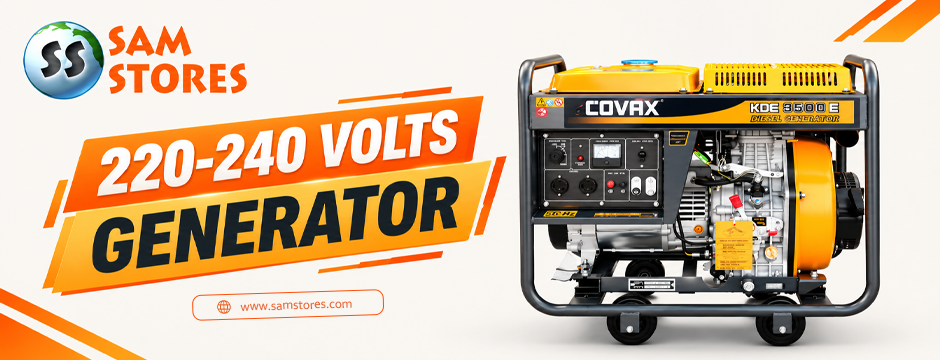
This generally indicates that the generator’s electrical output falls within the 220 to 240 volt range, depending on the model and its operating specifications.

For buyers, the important thing is to look beyond the voltage figure.

Check the complete specification, including:

  • Rated power
  • Maximum power
  • Frequency
  • Phase
  • Engine type
  • Fuel tank capacity
  • Starting system
  • Outlet configuration
  • Safety features

A generator with the right voltage but insufficient wattage will not solve your backup power requirements.

Don’t Forget About Fuel Capacity

Generator runtime depends on several factors, including engine efficiency, fuel tank capacity and the electrical load being placed on the generator.

A generator running at a light load may consume fuel differently from one operating close to its rated capacity.

For example, a model with a larger fuel tank can be particularly convenient when you expect extended outages because you may not need to refuel as frequently.

Still, fuel capacity should not be your only purchasing consideration. A larger tank does not automatically mean a better generator. The generator needs to match your home’s actual power requirements.

Features Worth Looking For in a Home Generator

A good home backup generator should be more than an engine attached to an alternator.

Depending on your requirements, useful features can include an electric start, voltage monitoring, low-oil protection, robust outlets and wheels for easier movement.

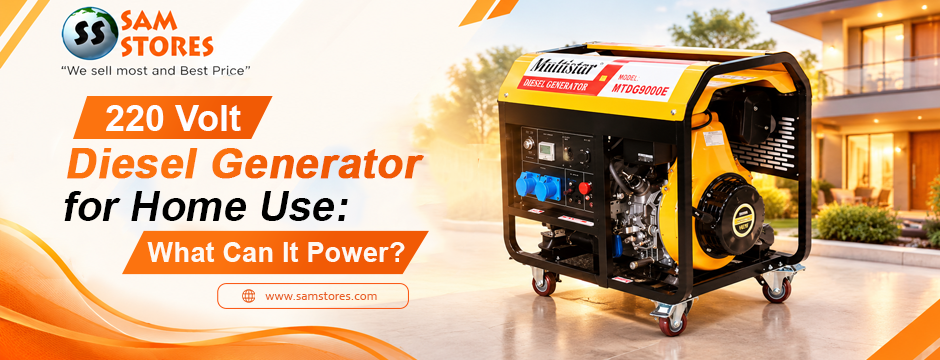
The Multistar MTDG9000E available from Sam Stores is a good example of a generator designed around practical usability. It provides 220 to 240 volt output at 50 Hz and has a rated power of around 6.0 kW. Its design also includes features such as an LCD volt meter, oil alert, splash-proof outlets and wheels.

For homeowners, these details matter because a generator needs to be straightforward to monitor and operate, particularly during an unexpected outage.

How to Choose the Right Generator for Your Home

Before choosing a 220 volt diesel generator, take five minutes to work out what you actually need.

Step 1: List Your Essential Appliances

Write down everything you want to keep running during an outage.

Step 2: Check Their Wattage

Look at the rating plate or manufacturer’s specifications for each appliance.

Step 3: Identify High-Starting-Load Appliances

Refrigerators, pumps and air conditioners may require additional startup power.

Step 4: Add Your Loads

Calculate the approximate running wattage of the appliances you expect to use simultaneously.

Step 5: Allow Some Headroom

Avoid choosing a generator that operates at its absolute limit all the time. Some spare capacity can make the system more practical and flexible.

Step 6: Check Voltage and Phase

Make sure the generator’s output matches your electrical requirements. This is especially important when comparing 220V, 230V and 240V equipment.

Why Buy Your Generator From Sam Stores?

Buying a generator is not simply about finding the lowest price. You are investing in backup power that you may depend on when the electricity goes out.

Sam Stores gives buyers access to generator equipment for different power requirements, making it easier to compare specifications and find an appropriate solution.

Whether your priority is keeping essential home appliances running, supporting a workshop or maintaining critical equipment during an outage, choosing based on actual electrical demand is the smarter approach.

A 220 volt diesel generator can be an excellent home backup solution when the capacity, voltage, phase and appliance requirements are properly matched.

Final Thoughts

A home generator should make life easier during a power failure, not create another problem.

The right 220 volt diesel generator can keep essential appliances operating, maintain refrigeration, support lighting and electronics, and potentially handle larger equipment when its capacity is sufficient.

The secret is choosing based on your actual power requirements rather than simply buying the biggest or cheapest generator available.

Start with your appliances. Calculate their running and starting loads. Check voltage and phase requirements. Then compare generator specifications carefully.

If your home needs dependable backup power in the 220 to 240 volt range, explore the generator options available from Sam Stores and choose a model that gives you the capacity and features you genuinely need.

FAQs

1. What can a 220 volt diesel generator power at home?
A 220 volt diesel generator can potentially power refrigerators, lights, fans, televisions, computers, Wi-Fi equipment, washing machines, pumps and other appliances, depending on its wattage capacity and the combined electrical load.

2. Is a 220 volt diesel generator suitable for home use?
Yes. A properly sized 220 volt diesel generator can provide reliable residential backup power. Before connecting one, make sure its voltage, frequency, phase and output are compatible with your home’s electrical system.

3. Can a 220 volt diesel generator run an air conditioner?
It can, provided the generator has sufficient capacity to handle both the air conditioner’s running and startup power requirements. Larger air conditioners may require considerably more generator capacity.

4. What is the difference between a 220-240 volts generator and a 240 volts generator single phase?
A 220-240 volts generator describes its voltage output range, while a 240 volts generator single phase also specifies the phase configuration. Always check the complete generator and appliance specifications before connecting equipment.

5. How do I choose the right 220 volt diesel generator?
List the appliances you need during an outage, check their running and starting wattage, calculate the combined load and select a generator with sufficient rated capacity and appropriate voltage and phase specifications.
Why Every Modern Home Needs A 220 Volts Gasoline Generator for Reliable Backup Power?

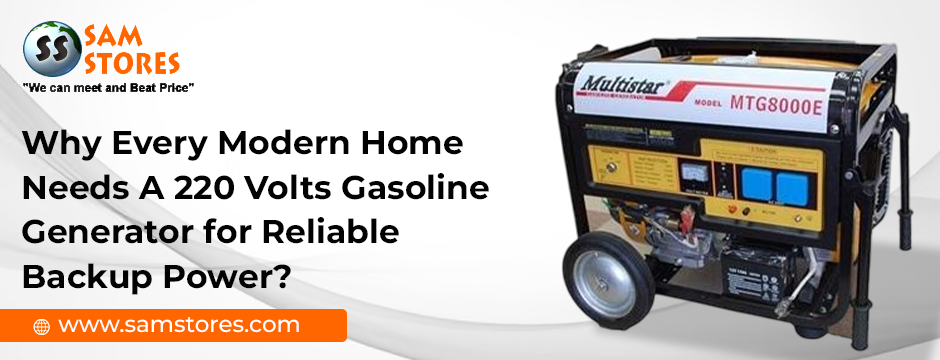
Power outages rarely arrive with warnings. They disrupt routines, damage appliances, and create unexpected discomfort. In many homes, especially those with higher electrical demands, a 220 volts gasoline generator becomes more than a backup—it becomes a necessity. Sam Stores understands this growing need and focuses on practical, reliable power solutions for modern households.

Understanding Household Power Needs

Every home relies on electricity for daily comfort. From refrigerators to air conditioners, power keeps everything running smoothly. However, not all generators meet these needs effectively.

A standard low-voltage generator may handle basic lighting. Yet, it often struggles with heavy appliances. This is where higher voltage systems come into play.

A 220-volt generator supports appliances requiring more power. These include:

  • Air conditioners
  • Water pumps
  • Electric heaters
  • Washing machines
  • Kitchen equipment

As households adopt more advanced appliances, energy demand increases steadily. Therefore, choosing the right generator becomes essential.

Why Voltage Matters More Than Your Imagination?

Voltage determines how efficiently electricity powers devices. A mismatch can lead to poor performance or equipment damage.

A 220-volt system delivers higher efficiency for heavy-duty appliances. It reduces strain on electrical circuits and ensures stable performance. Additionally, it minimizes the risk of overheating.

In contrast, lower voltage generators often overload quickly. This leads to frequent shutdowns and reduced lifespan.

For homes with multiple high-power devices, voltage compatibility becomes critical. It ensures uninterrupted performance during outages.

Common Situations Where You Need A Generator

Power needs vary based on location, lifestyle, and household size. However, certain scenarios make a 220 volts gasoline generator almost essential.

1. Frequent Power Cuts

Areas with unstable electricity face regular outages. These interruptions can disrupt work, food storage, and daily routines. A generator ensures continuity. It keeps essential appliances running without interruption.

2. Remote Or Semi-Urban Living

Homes located away from city centers often experience delayed power restoration. In such cases, backup power becomes crucial.

A gasoline generator offers independence from the grid. It provides reliable electricity whenever needed.

3. Home-Based Work or Business

Remote work has become increasingly common. Power interruptions can lead to productivity loss and missed deadlines.

A reliable generator maintains internet connectivity and device operation. It ensures professional consistency.

4. Medical Equipment Dependence

Some households rely on medical devices requiring constant power. Any interruption can pose serious risks. A high-capacity generator ensures uninterrupted operation. It offers peace of mind in critical situations.

Benefits of Choosing A 220-Volt Gasoline Generator

Selecting the right generator involves understanding its advantages. A well-matched system improves both efficiency and convenience.

  • Higher Power Output

A 220-volt generator handles multiple appliances simultaneously. It eliminates the need to prioritize devices during outages.

How The Braun 220 Volt Hair Dryer Redefines Everyday Glamour_
  • Better Appliance Compatibility

Many modern appliances require higher voltage. A compatible 240 Volt single-phase generator ensures optimal performance without damage.

  • Portable and Convenient

Gasoline generators are easy to move and store. They do not require complex installation processes.

  • Quick Start Capability

Unlike some alternatives, gasoline generators start quickly. This feature proves useful during sudden outages.

  • Cost-Effective Solution

Compared to larger systems, gasoline generators offer affordability. They deliver strong performance without excessive investment.

Comparing Generator Types: Why Gasoline Stands Out?

Different generator types serve different purposes. Understanding these differences helps in making informed decisions.

Gasoline Generators

  • Easy to use
  • Widely available fuel
  • Suitable for short-term outages

Diesel Generators

  • Higher efficiency
  • Longer lifespan
  • More expensive upfront

Inverter Generators

  • Quiet operation
  • Fuel-efficient
  • Limited power capacity

For most households, gasoline generators strike the right balance. They combine affordability, convenience, and performance.

Key Features to Look For before Buying

Choosing the right generator requires careful consideration. Several features determine overall performance and usability.

  • Power Capacity: Calculate total wattage requirements before purchase. This ensures the generator meets household needs effectively.
  • Fuel Efficiency: Efficient fuel consumption reduces operating costs. It also ensures longer runtime during outages.
  • Safety Features: Look for overload protection and automatic shutdown. These features protect both the generator and connected appliances.
  • Noise Levels: Lower noise levels improve comfort. This becomes important in residential areas.
  • Build Quality: Durable construction ensures long-term reliability. It also reduces maintenance requirements.

A well-chosen generator offers both performance and longevity.

Safety Tips for Using Gasoline Generators

Safety should always remain a priority. Improper usage can lead to serious hazards.

  • Never operate generators indoors
  • Keep them away from windows and doors
  • Use proper extension cords
  • Store fuel safely
  • Perform regular maintenance

Following these practices ensures safe and efficient operation.

How Sam Stores Adds Value to Your Purchase?

Buying a generator involves more than just selecting a product. It requires trust, guidance, and reliable support.

Sam Stores focuses on delivering quality and convenience. The platform offers a range of generators suited for different needs. Detailed product descriptions help buyers make informed decisions.

Additionally, customer support ensures smooth purchasing experiences. From selection to delivery, the process remains simple and transparent.

This commitment builds trust and aligns with modern buyer expectations.

Long-Term Benefits of Investing in the Right Generator

A generator is not just an emergency tool. It becomes a long-term asset for your home.

It protects appliances from sudden shutdowns. Furthermore, it ensures comfort during extreme weather conditions. It also supports productivity in work-from-home environments.

Over time, the value of a reliable generator becomes evident. It reduces stress and enhances overall living standards.

Final Thoughts

Power interruptions can disrupt life in many ways. However, the right backup solution changes everything. A 220 volts gasoline generator offers reliability, efficiency, and peace of mind.

For households with higher energy demands, this investment proves essential. It supports modern appliances and ensures uninterrupted comfort.

Sam Stores continues to provide dependable solutions for evolving needs. Choosing the right generator today ensures a more secure and comfortable tomorrow.

Frequently Asked Questions (FAQs)

What appliances can a 220-volt generator run at home?

A 220-volt generator can power heavy appliances like air conditioners, refrigerators, washing machines, and water pumps efficiently.

Is a 220 volts gasoline generator suitable for daily use?

A 220 volts gasoline generator works best for backup situations, but it can support daily needs in areas with frequent outages.

How long can a gasoline generator run continuously?

Runtime depends on fuel capacity and load. Most models run between 6 and 12 hours on a full tank.

Are gasoline generators safe for residential use?

Yes, they are safe when used outdoors with proper ventilation and regular maintenance practices.

How do I choose the right generator size for my house?

Calculate the total wattage requirements of essential appliances. Then, choose a generator with slightly higher capacity for safety.

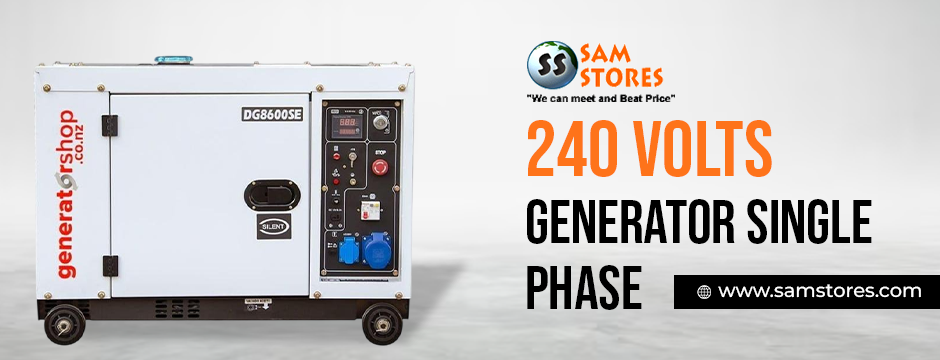
Benefits of Using a 240 Volts Generator Single Phase for Backup Power Solutions

In today’s world, a dependable backup power source is more important than ever. Power outages can occur unexpectedly due to storms, technical faults, or grid failures. This can disrupt daily life, hinder business operations, and even cause damage to appliances. Investing in a 240 volts generator single phase is a practical and effective solution for backup power. It provides a steady and efficient supply of electricity, making it ideal for homes, small businesses, and farms.

In this blog, we will explore the benefits of using a 240 volts generator for backup power solutions, including its efficiency, convenience, and versatility.

What is a 240 Volts Generator Single Phase?

Before diving into the benefits, let’s understand what a 240 volts generator is.

  • It is a power-generating unit that produces electricity at 240 volts with a single alternating current (AC) waveform.
  • The generator has two wires: one live (hot) wire and one neutral wire.
  • It supplies constant and steady power output, making it suitable for running most household appliances and small commercial equipment.
  • The 240-volt output can also be split into two 120-volt circuits, which provides added flexibility for powering different types of devices.

Now, let’s explore the benefits of using this type of generator as a backup power solution.

1. Reliable Power Supply During Outages

One of the biggest benefits of a 240 volts generator single phase is its ability to provide a reliable power source during blackouts.

  • When the main power grid fails, the generator kicks in, supplying electricity to keep your essential appliances running.
  • You can power refrigerators, freezers, lights, and communication devices without interruption.
  • For small businesses, it ensures that computers, security systems, and basic equipment continue operating smoothly.

Gasoline generator

With a 240 volts output, the generator can handle higher-power devices compared to standard 120-volt generators. This makes it perfect for running heavy-duty appliances such as air conditioners, heaters, and water pumps.

2. Suitable for Both Residential and Small Commercial Use

A 240 volts generator is versatile and can be used for both home and business applications.

For Residential Use

  • During a power outage, the generator can run kitchen appliances, lighting, and HVAC systems, ensuring your family’s comfort.
  • It is also suitable for outdoor use, such as powering garden tools or outdoor lights.
  • In rural areas, it can keep water pumps and electric fences running during blackouts.

For Small Businesses

  • It helps keep point-of-sale systems, computers, and security cameras operational, preventing loss of productivity.
  • Small workshops can continue using power tools and machinery during a power failure.

The ability to run both 120-volt and 240-volt devices makes it highly flexible for different power needs.

3. Efficient Power Delivery

A single-phase generator delivers power efficiently and steadily. It is designed to handle moderate electrical loads, making it perfect for backup power scenarios.

  • Consistent voltage ensures sensitive electronics, like computers and TVs, remain safe during operation.
  • It can handle both high and low-power appliances, reducing the risk of overloading the generator.
  • The 240 volts output is sufficient for running heavy-duty equipment, such as large power tools or electric stoves.

This makes it a cost-effective option for both emergency backup and occasional use.

4. Easy to Install and Operate

Unlike more complex three-phase generators, a 240 volts generator is relatively easy to install and use.

  • Simple wiring means you can quickly connect it to your home or business electrical system.
  • Most models come with user-friendly control panels, making operation straightforward.
  • Portable models are easy to move and set up, making them ideal for outdoor events or temporary power needs.

Its plug-and-play design makes it a practical choice for homeowners and small business owners.

5. Cost-Effective Backup Power Solution

Investing in a 240 volts single-phase generator is a cost-effective solution for backup power needs.

  • It is generally more affordable than three-phase generators, making it a practical option for residential and small commercial use.
  • It consumes less fuel compared to larger industrial models, helping you save on operational costs.
  • With proper maintenance, these generators offer long-lasting performance, providing excellent value for money.

Its lower maintenance requirements and fuel efficiency make it a budget-friendly backup power option.

6. Low Maintenance and High Durability

A 240 volts generator single phase is designed for durability and longevity. With regular maintenance, it can provide reliable backup power for many years.

  • Simple maintenance routines include regular oil changes, air filter cleaning, and spark plug checks.
  • Most models are built with sturdy frames and durable components, ensuring they can withstand harsh weather conditions.
  • Some models feature automatic shutdown to prevent damage from low oil levels or overheating.

With proper care, these generators offer consistent performance and long-term reliability.

7. Portability and Convenience

Many 240 volts single-phase generators are portable, making them convenient for a variety of backup power needs.

  • Portable models can be easily transported for camping trips, outdoor events, or job sites.
  • They come with wheels and handles, allowing for easy mobility.
  • Even standby models are compact and space-efficient, making them easy to store when not in use.

 Their portability and compact design make them ideal for both emergency and recreational use.

8. Safe and Consistent Power Output

Safety is a top priority when using a generator. A 240 volts single-phase generator offers safe and consistent power output.

  • It provides stable voltage regulation, protecting your sensitive devices from power surges.
  • Some models come with built-in circuit breakers, preventing overload damage.
  • Modern generators also include low-oil shutoff and fuel monitoring features for added safety.

This ensures you can rely on your generator without worrying about electrical issues.

Power Up with Reliable 220-240 Volts Generators from Sam Stores

Looking for a dependable 220-240 volts generator for your backup power needs? Sam Stores offers a wide selection of high-quality generators designed for efficiency and durability. Whether you need power for your home, small business, or outdoor activities, Sam Stores has you covered.

220-240 volts generator

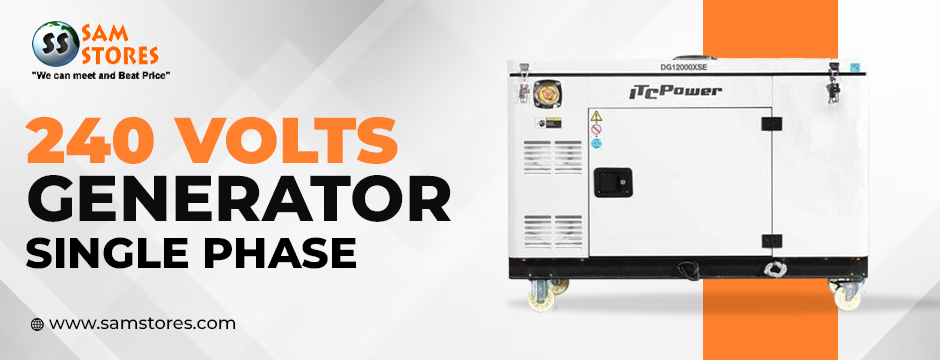
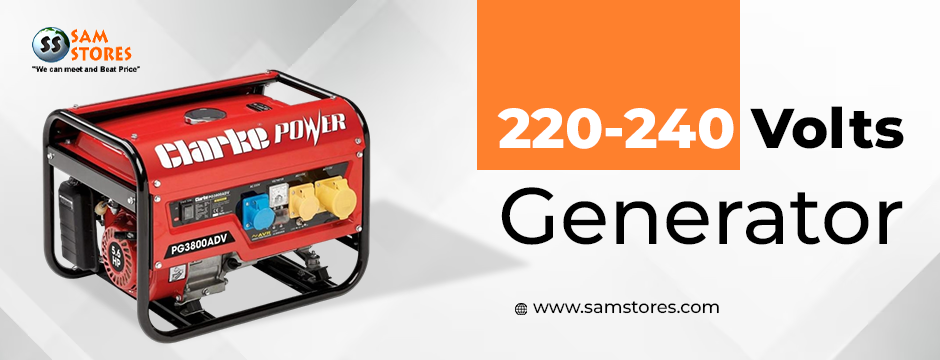
Choose from top-rated models like the DG12000XSE/3PH Diesel Generator 220 VOLTS 50 HZ NOT FOR USA, perfect for heavy-duty applications, or the DG8500SE Diesel Generator 220 VOLTS 50 HZ NOT FOR USA, known for its reliability and fuel efficiency. For those seeking portable solutions, the Clarke PG3800ADV EURO5 3KVA VOLTAGE PETROL GENERATOR 240 VOLTS 50 HZ NOT FOR USA offers excellent performance. You can also opt for the COVAX KDE8500E 6KW DIESEL GENERATOR 220 VOLTS NOT FOR USA, ideal for continuous and stable power supply.
 

Shop at Sam Stores today and ensure you’re always prepared with powerful and reliable backup generators!

Conclusion

A 240 volts generator single phase is an excellent backup power solution for homes and small businesses. It offers reliable, efficient, and cost-effective power delivery, keeping your essential appliances and devices running during unexpected outages. Its ease of use, portability, and low maintenance requirements make it a practical investment.

Whether you need power for home appliances, small business operations, or outdoor events, a 240 volts generator is a versatile and dependable option. By providing steady and safe power, it ensures you are always prepared for the unexpected.

Efficiency and Power: How a 220-240 Volts Generator Can Meet Your Energy Needs

In an era where electricity is integral to our daily lives, ensuring a reliable power supply is paramount. Whether for residential use or small business operations, having a dependable generator can be a lifesaver during unexpected power outages or in remote locations where access to the grid is limited. Among the various options available, a 220-240 Volts Generator stands out for its efficiency and ability to meet diverse energy needs. In this blog, we’ll delve into the benefits of such a generator and how it can be a game-changer for both residential and small business settings.

Understanding the Basics: What is a 10.5 KW Single Phase Generator?

Before delving into its benefits, let’s first understand what exactly a 220-240 Volts Generator with 10.5 KW rate power entails. The term “10.5 KW” refers to the power output of the generator, measured in kilowatts. This indicates the amount of electrical power the generator can produce, which in this case, is 10.5 kilowatts. 

Additionally, the term “single-phase” refers to the type of electrical output the generator provides. Single-phase power is commonly used in residential settings and smaller businesses, delivering power through a single alternating current (AC) waveform.

Benefits of a 10.5 KW Single-Phase Generator

1. Sufficient Power Output

    One of the primary advantages of a 10.5 KW generator is its ample power output. With a rating of 10.5 kilowatts, this generator can comfortably handle the electrical demands of most residential properties and small businesses. Whether it’s powering essential appliances during a blackout or running machinery in a small workshop, this generator provides the necessary power to keep operations running smoothly.

    2. Versatility 

      Despite its high power output, a 10.5 KW single-phase generator remains versatile in its applications. From powering household appliances such as refrigerators, air conditioners, and lights to supporting small-scale industrial equipment like pumps, compressors, and power tools, this generator can adapt to a wide range of energy needs.

      3. Reliability

        When it comes to generators, reliability is paramount. A 10.5 KW single-phase generator offers the reliability needed to ensure uninterrupted power supply, especially during critical moments such as blackouts or emergencies. Its robust design and quality construction make it a dependable source of backup power, providing peace of mind to homeowners and business owners alike.

        4. Ease of Installation

          Despite its high power output, the 220-240 Volts Generator is relatively easy to install, making it an attractive option for residential properties and small businesses. Unlike three-phase generators, which require additional wiring and infrastructure, a single-phase generator can be seamlessly integrated into existing electrical systems with minimal hassle.

          5. Cost-Effective 

            While larger generators may offer higher power outputs, they often come with a higher price tag and increased operating costs. A 10.5 KW single-phase generator strikes a balance between power and affordability, offering an efficient solution for those seeking reliable backup power without breaking the bank. Additionally, its single-phase design reduces complexity and maintenance costs compared to three-phase alternatives.

            6. Space-Saving Design

              Space constraints are a common consideration, particularly for residential properties and small businesses. A 10.5 KW single-phase generator is compact and space-saving, making it suitable for installations where space is limited. Its smaller footprint allows for easy placement in garages, utility rooms, or outdoor enclosures without sacrificing performance.

              7. Fuel Efficiency

                Efficiency is another crucial aspect to consider when evaluating generators. A 220-240 Volts Generator is designed to deliver power efficiently, ensuring optimal fuel consumption and reduced operating costs over time. Its ability to generate sufficient power while minimizing fuel consumption makes it a cost-effective choice for long-term use.

                Applications of a 220-240 Volts Generator with 10.5 KW Rate Power 

                Residential Backup Power

                For homeowners, a 10.5 KW single-phase generator serves as a reliable backup power source during blackouts or grid failures. It can power essential appliances such as refrigerators, lights, heaters, and sump pumps, ensuring comfort and safety during emergencies.

                Small Business Operations

                 In small business settings, a 10.5 KW single-phase generator supports essential operations, allowing businesses to continue functioning even when faced with power outages. Whether it’s running office equipment, powering retail establishments, or operating small-scale machinery, this generator provides the necessary power to keep businesses up and running.

                Construction and Contractors

                 Construction sites and contracting businesses often require portable power solutions to operate tools and equipment in remote locations. A 220-240 Volts Generator with 10.5 KW rate power offers the versatility and portability needed for on-site power generation, enabling construction crews to work efficiently without relying on grid power.

                Events and Outdoor Activities

                 From outdoor events and festivals to camping trips and recreational activities, a portable 10.5 KW single-phase generator provides the power needed to run lights, sound systems, food stalls, and other amenities. Its compact size and robust performance make it an ideal choice for outdoor settings where access to electrical outlets may be limited.

                Summary 

                A 10.5 KW single-phase generator offers a myriad of benefits for both residential and small business applications. Its high power output, versatility, reliability, and cost-effectiveness make it an attractive choice for those seeking a dependable backup power solution. 

                Whether used for residential backup power, small business operations, construction sites, or outdoor events, this generator proves to be a valuable asset in ensuring uninterrupted power supply and peace of mind. With its efficient performance and ability to meet diverse energy needs, a 10.5 KW single-phase generator emerges as a practical and indispensable tool in today’s power-dependent world. If you want to buy a 220-240 Volts Generator with 10.5 KW rate power, you can order from Sam Stores.