When the temperature drops, choosing a heater can seem straightforward until you start comparing voltage, wattage, room size, installation and operating costs. A quick search for a space heater can bring up hundreds of options, but not every heater is built for the same electrical system or heating requirement.
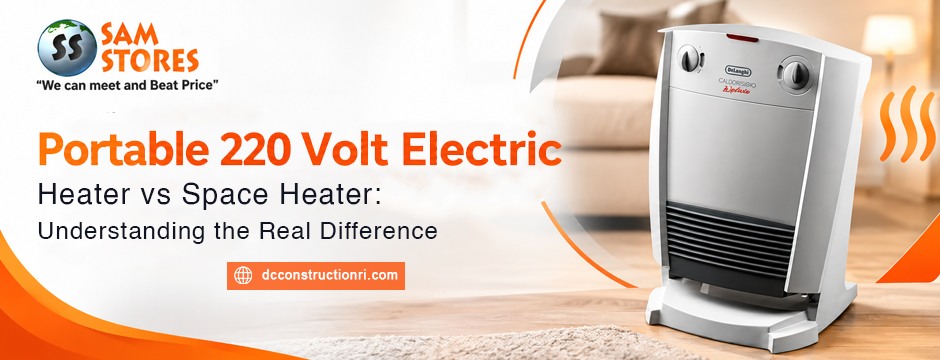
One comparison that often causes confusion is a Portable 220 volt Electric Heater versus a conventional space heater. They may look similar at first, but their electrical requirements, power capacity and ideal applications can be quite different.
For homeowners, office managers, workshop owners and anyone trying to heat a specific area efficiently, understanding that difference can make the buying decision much easier.
Sam Stores specialises in 220 volt appliances and heating solutions, giving customers access to products designed for specific voltage requirements. The right choice is not necessarily the smallest or cheapest heater. It is the one that matches your room, electrical setup and heating needs.
What Is a Portable 220 Volt Electric Heater?
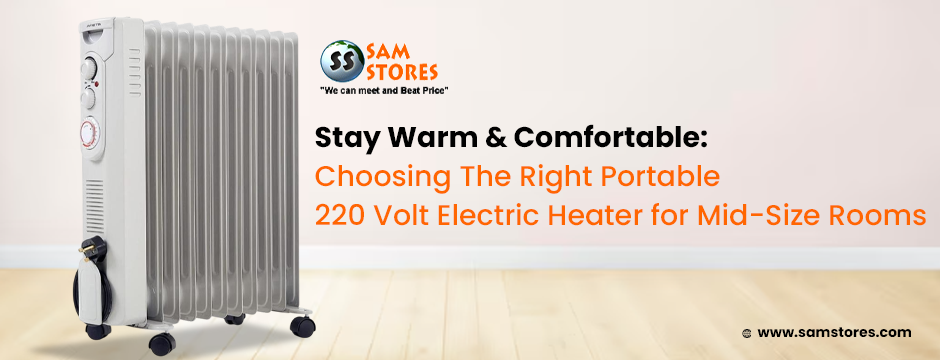
A portable 220 volt electric heater is a movable heating appliance designed to operate on a 220V electrical supply. Unlike permanently installed heating equipment, a portable unit can generally be moved to different areas when required, provided the electrical connection and installation requirements are appropriate for the particular model.
This flexibility is one of its biggest advantages.
Imagine a home where the living room needs additional heat in the evening, but the home office becomes the coldest room during the day. A portable heater can be moved between these areas rather than installing a separate heating system in every room.
The 220V configuration can also be suitable for appliances designed for higher electrical power. However, voltage alone does not determine how much heat a heater produces. Wattage, heating technology, room size and insulation all matter.
That is why checking the manufacturer’s specifications before buying is essential.
What Do People Mean by a Space Heater?
“Space heater” is a broad term rather than a specific electrical configuration.
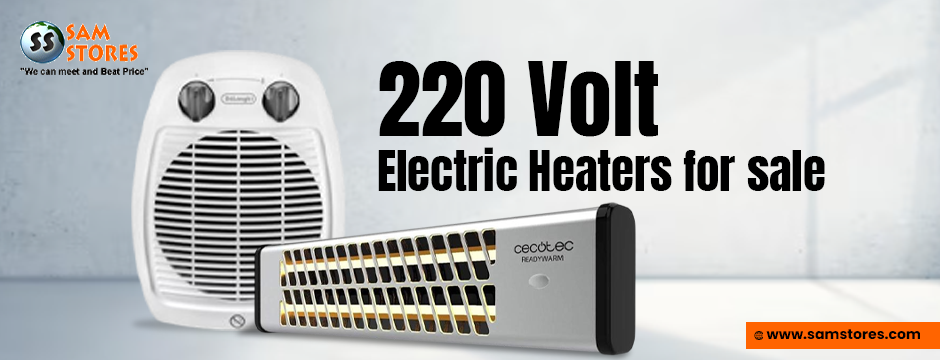
It generally refers to a heater designed to warm a relatively small or defined area instead of an entire building. Space heaters can operate at different voltages and can include several technologies, such as fan-forced heating, infrared heating, ceramic heating and oil-filled radiators.
In other words, a 220V portable heater can also be considered a type of space heater.
The real distinction comes down to the specifications.
A typical low-voltage portable space heater may be designed for smaller areas and a particular household outlet. A 220V model may be designed for a different electrical system or a higher-power application.
So, when comparing the two, don’t focus only on the name. Look at voltage, wattage, heating capacity, controls and installation requirements.
Portable 220V Heater vs Space Heater: The Key Differences
The easiest way to understand the difference is to compare the factors that actually affect everyday use.
1. Voltage Requirements
The most obvious difference is electrical compatibility.
A portable 220V heater is designed for a 220V supply. A conventional space heater may be designed for a different voltage depending on its intended market and model.
This is not something to overlook.
Using an appliance with an incompatible electrical supply can create performance problems and potentially serious safety risks. Before purchasing an electric heater with 220v plug, check the voltage, frequency, plug configuration and circuit requirements specified by the manufacturer.
For international buyers and customers purchasing imported appliances, this check is particularly important.
2. Heating Power
Wattage provides a better indication of electrical power consumption and potential heating output than voltage alone.
Two heaters can both operate at 220V while having very different wattage ratings.
A higher-wattage heater may be suitable for a larger or harder-to-heat space, while a lower-wattage model may be perfectly adequate for a bedroom, office or other compact room.
The mistake is assuming that higher wattage automatically means better performance.
It does not.
The heater should be appropriately sized for the space. Oversizing can increase unnecessary energy consumption, while undersizing may leave the room uncomfortable and force the heater to work continuously.
3. Portability
Portability is where portable electric heaters have an obvious advantage over permanently installed systems.
If your heating needs change throughout the day, being able to move a heater can be useful. A home office, workshop, bedroom or enclosed recreation area may each need heat at different times.
However, portability should never mean repeatedly moving an appliance without considering electrical safety.
The heater should be positioned on a stable surface, kept away from curtains and other combustible materials, and connected according to the manufacturer’s instructions.
4. Installation
A portable heater generally requires less installation than a fixed heating system, but that does not mean every 220V heater can simply be plugged into any outlet.
Some high-powered 220V appliances may require a dedicated circuit or specific outlet configuration. Always follow the manufacturer’s installation requirements and consult a qualified electrician where necessary.
For customers looking for permanent heating, a fixed installation may make more sense.
A 220 volt wall mount heater, for example, can free up floor space and provide a dedicated heating solution in a room where the furniture layout rarely changes.
When Is a Portable 220 Volt Electric Heater the Better Choice?
Portability becomes particularly valuable when heating requirements change from one area to another.
It can make sense for:
- Home offices
- Bedrooms
- Workshops
- Garages
- Utility rooms
- Enclosed work areas
- Studios
- Commercial spaces requiring supplementary heating
The biggest selling point is control. Instead of heating every part of a property, you can concentrate warmth where it is actually needed.
That can be particularly useful when only one room is occupied.
For example, heating an entire house simply because one person is working in a home office may not be the most practical approach. A properly selected portable heater can provide targeted warmth without requiring a permanent heating installation.
When Should You Consider a Fixed Heater?
Portability is not always the priority.
If you know exactly where heating is required and want a cleaner, more permanent setup, a wall-mounted or ceiling-mounted heater may be worth considering.
A wall-mounted model keeps the floor clear, which can be especially helpful in smaller rooms, workshops or busy commercial areas.
You can explore options such as a 220 volt wall mount heater when permanent positioning and space efficiency are more important than mobility.
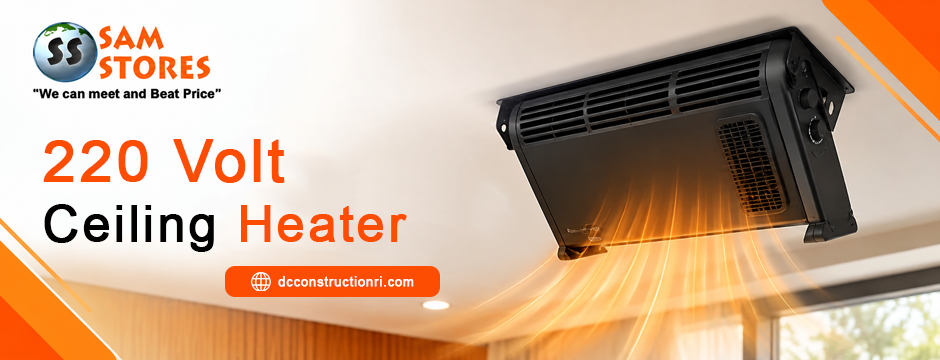
Similarly, ceiling-mounted heating can work well in areas where floor and wall space are limited. A 220 volt ceiling heater can be particularly useful in larger rooms, workshops and commercial environments where distributing heat from above makes practical sense.
The best configuration depends on the room layout, ceiling height, insulation and intended use.
This is one of the biggest misconceptions surrounding 220V heaters.
Voltage itself does not automatically make a heater more energy efficient.
Electric resistance heaters convert electrical energy into heat, and the amount of electricity consumed depends heavily on the appliance’s wattage and how long it operates.
The advantage of a particular 220V heater may instead come from its design, power capacity, thermostat, controls and suitability for the electrical system in which it is being used.
A heater that is correctly sized for the room can be a better purchase than simply choosing the model with the highest voltage or wattage.
Look for practical features such as:
- Adjustable thermostat
- Multiple heat settings
- Automatic shut-off
- Overheat protection
- Timer controls
- Appropriate heating capacity
- Suitable plug and circuit requirements
These features can make everyday operation easier and more controlled.
What About Energy Costs?
A heater’s running cost depends primarily on its power consumption and operating time.
For example, a heater rated at 2,000 watts uses approximately 2 kWh when operating continuously for one hour at full output. Your actual cost depends on your electricity tariff and whether the heater cycles on and off through thermostat control.
This is why buying based purely on the lowest upfront price can be misleading.
A heater with useful temperature controls may offer better day-to-day usability because it does not necessarily need to operate at maximum output continuously.
Before buying, consider both the purchase price and how frequently the appliance will be used.
Which Heater Is Better for Your Home?
There is no universal winner.
A portable 220V heater is likely to appeal to someone who wants flexibility and targeted heating. You can move it between suitable spaces as your needs change.
A conventional space heater may be perfectly adequate when the room is small and the electrical configuration matches the appliance.
A wall-mounted heater makes more sense when floor space is limited and the heating location is permanent.
For larger workshops or rooms with high ceilings, a ceiling-mounted solution may provide a more appropriate installation.
The important point is to buy according to the application rather than the product label.
Safety Should Come Before Convenience
Heating appliances require sensible handling regardless of voltage.
Keep the heater away from curtains, bedding, paper, clothing and other materials that can catch fire. Never cover an operating heater. Keep children and pets away from hot surfaces, and do not use an appliance if its cord, plug or housing appears damaged.
Avoid using unsuitable extension cords or power strips with high-powered heating equipment unless the manufacturer specifically permits it and the electrical setup is rated accordingly.
For 220V appliances, electrical compatibility deserves extra attention. If you are uncertain about the outlet, circuit or installation requirements, ask a qualified electrician before connecting the appliance.
A few minutes of checking can prevent a costly mistake.
Why Buy Your 220V Heating Appliance From Sam Stores?
Choosing the right heater is easier when you have access to appliances designed around specific voltage requirements.
Sam Stores has built its product range around 220V appliances and international electrical requirements, giving shoppers a convenient place to explore heating and other household appliances.
Whether you need a portable heating solution or are considering a more permanent installation, the important thing is to compare specifications rather than choosing purely on appearance or price.
Look at voltage compatibility, wattage, room size, heating method, controls, safety features and installation requirements before making the final decision.
That approach helps you buy a heater that fits your actual needs instead of replacing an unsuitable appliance later.
Final Verdict: Portable 220V Heater or Space Heater?
The answer depends on what you mean by “space heater” and what your room requires.
A Portable 220 volt Electric Heater is a strong choice when flexibility, targeted heating and 220V compatibility are priorities. A conventional space heater can work well for smaller applications when its voltage and power specifications match the electrical setup.
If floor space is limited, consider a wall-mounted design. If you need to heat a larger open area, a ceiling-mounted solution may be worth investigating.
Most importantly, don’t buy based on voltage alone. Match the heater’s wattage and heating capacity to the room, verify electrical compatibility and prioritise safety features.
At Sam Stores, shoppers can explore 220V heating appliances with different configurations and choose according to the space they actually need to heat. When the right appliance meets the right application, staying comfortable becomes considerably simpler.
Frequently Asked Questions
1. Is a Portable 220 volt Electric Heater the same as a space heater?
Not exactly. “Space heater” is a broad category covering heaters designed to warm a particular area. A portable 220V heater is one type of space-heating appliance designed for a 220V electrical supply.
2. Can I use an electric heater with 220V plug in any outlet?
No. Always check the heater’s voltage, frequency, plug configuration and circuit requirements. If you are unsure whether your electrical system is suitable, consult a qualified electrician.
3. Is a 220 volt heater better than a standard space heater?
Neither is automatically better. The right choice depends on the room size, required heating capacity, electrical supply, installation and intended use.
4. When should I choose a 220 volt wall mount heater?
A wall-mounted heater can be useful when you want a permanent heating position while keeping floor space available. It can be particularly practical in compact rooms and busy work areas.
5. What should I check before buying a portable 220V heater?
Check voltage compatibility, wattage, room size, heating capacity, thermostat controls, safety features, plug configuration and any dedicated circuit or installation requirements.