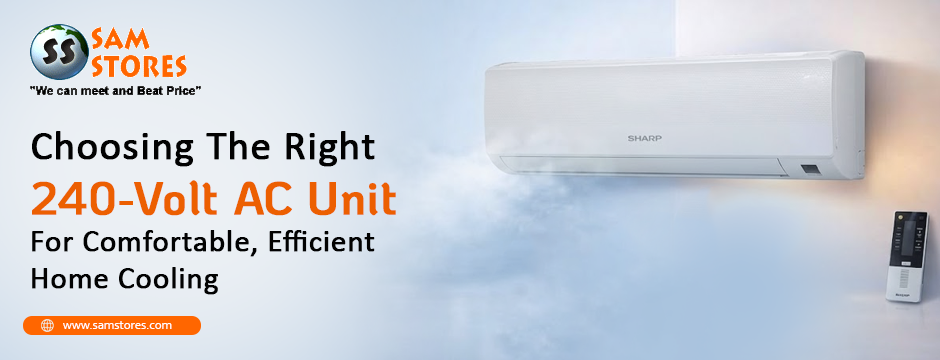
Choosing The Right 240-Volt AC Unit for Comfortable, Efficient Home Cooling

It usually starts with a simple problem. Summer arrives, the temperature climbs, and your existing air conditioner struggles to keep the room comfortable. You turn the thermostat down, wait, and hope for the best. Sometimes, though, the problem isn’t the temperature setting. Your air conditioner simply isn’t suited to the space.

That’s when choosing the right 240-volt AC unit can make a noticeable difference.

A higher-voltage air conditioning system can be a practical option for larger rooms, homes with demanding cooling requirements, and those that need dependable performance. However, buying one isn’t simply about choosing the biggest model available. Capacity, installation, electrical requirements, room size, energy use, and heating options all deserve consideration.

At Sam Stores, we understand that shopping for home appliances should feel straightforward. You want to know what you’re buying, why it suits your space, and what to expect once it’s installed.

So, before you make your decision, let’s look at what actually matters.

Why Voltage Matters When Choosing An Air Conditioner?

Voltage is one of those specifications most people notice but don’t always understand.

An air conditioner designed for a higher electrical voltage isn’t automatically more powerful than every lower-voltage model. Instead, voltage is part of the electrical system the appliance is designed to operate with.

A 240-volt system can be suitable for larger-capacity appliances that require substantial electrical power. Many homes already have 240-volt circuits for appliances such as electric ranges, dryers, and other high-demand equipment.

However, this doesn’t mean you should simply purchase a unit and plug it into an existing outlet.

Air conditioning installation can involve dedicated circuits, appropriate wiring, breakers, and professional installation. Always check the manufacturer’s electrical requirements and consult a qualified electrician when necessary.

Start With the Room, Not The Air Conditioner

Here’s where many shoppers make their first mistake.

They see a powerful air conditioner and assume bigger must be better.

It isn’t that simple.

The right cooling capacity depends on the room’s size and several other factors. Ceiling height, insulation, windows, sunlight exposure, occupancy, and local climate can all influence cooling requirements.

A unit that is too small may run continuously without adequately cooling the room. A unit that is too large may cool the space quickly but cycle on and off frequently, which can affect comfort and efficiency.

The goal is to find the right match. Before shopping, measure the room and consider how it is used. A bedroom, living room, garage, workshop, and open-plan area may all have very different cooling requirements.

When A 240 Volt AC Unit Makes Sense

A 240-volt AC unit can be an excellent option when you’re looking for substantial cooling performance and your home’s electrical setup supports the required installation. These systems can be particularly useful for larger spaces where compact room air conditioners may not provide enough capacity.

Think about a spacious living room that receives strong afternoon sunlight. Perhaps the room connects to another area, or it has high ceilings that allow warm air to accumulate.

In such situations, having an appropriately sized air conditioner can make the difference between constantly chasing the temperature and actually enjoying the room. However, capacity should always be matched to the space rather than selected purely because the voltage specification sounds more powerful.

Through-the-Wall Air Conditioners: A Practical Alternative

Not every home has the layout or budget for a central air conditioning system. That’s one reason wall-installed air conditioners remain popular.

A 220 volt through-the-wall air conditioner can provide dedicated cooling without requiring a traditional window installation. These systems are installed into a wall opening, creating a more permanent appearance than many window units.

They can work particularly well in rooms where window-mounted installation isn’t practical.

There is also an aesthetic advantage. Because the unit sits within the wall, it can leave the window unobstructed. This can be useful in rooms where natural light and window access are important.

Before installation, however, check wall dimensions, sleeve requirements, electrical specifications, and manufacturer instructions.

How The Braun 220 Volt Hair Dryer Redefines Everyday Glamour_

Air conditioning doesn’t have to be useful only during summer. If you live somewhere with changing seasons, a unit capable of both cooling and heating can provide additional value throughout the year.

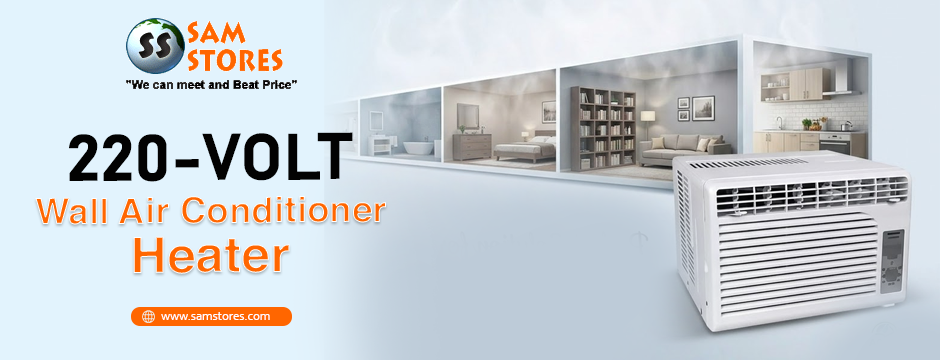
A 220 volt wall air conditioner heater combines cooling and heating functions in one appliance. Instead of purchasing separate equipment for different seasons, homeowners can use the same system to manage indoor temperatures throughout the year.

This can be particularly attractive for bedrooms, guest rooms, additions, apartments, workshops, and other spaces that need independent temperature control.

Before purchasing, check the heating method and the temperature range specified by the manufacturer. Not every heating-capable air conditioner is designed for the same outdoor conditions.

Think about Energy Efficiency Too

Running an air conditioner for hours every day can have a noticeable effect on household energy consumption. That’s why efficiency deserves attention before you buy.

Look at the manufacturer’s energy ratings and operating specifications rather than choosing solely by purchase price. A slightly more efficient appliance may cost more initially but potentially deliver better long-term value depending on usage and local electricity rates.

Also consider how you use the room.

Closing blinds during peak sunlight, improving insulation, sealing air leaks, and keeping doors closed while cooling can reduce the workload placed on the air conditioner. The most efficient appliance still has to work harder when the room constantly gains heat from outside.

Features Worth Considering

Modern air conditioners can include a wide range of convenience features. Depending on your priorities, useful options may include:

  • Adjustable temperature controls
  • Multiple fan speeds
  • Programmable timers
  • Remote controls
  • Digital displays
  • Washable filters
  • Energy-saving modes
  • Cooling and heating modes
  • Automatic temperature control

You don’t necessarily need every feature. Instead, focus on the functions you’ll actually use.

For example, a programmable timer can be valuable if you want the room cooled before bedtime. A remote control can make everyday adjustments easier. Washable filters of a 240-volt AC unit can simplify routine maintenance.

The best feature list is the one that makes your daily routine easier.

Maintenance Keeps Performance on Track

Even the best air conditioner needs regular care. Filters can collect dust over time, reducing airflow and making the system work harder. Exterior components can also accumulate dirt and debris depending on the installation environment.

Follow the manufacturer’s maintenance recommendations.

Clean or replace filters as instructed. Keep airflow paths clear and inspect the unit periodically for unusual noises, leaks, or changes in performance. If an air conditioner suddenly takes much longer to cool the room, don’t automatically turn the thermostat lower.

The problem could be a dirty filter, blocked airflow, installation issue, or another technical problem. Early attention can prevent small problems from becoming expensive repairs.

A little preparation makes online appliance shopping much less stressful.

A Simple Checklist Before You Buy

Before ordering your next air conditioner, take a moment to check these points:

  • Measure The room: Know the approximate space you need to cool.
  • Check Voltage: Confirm that the appliance matches your home’s electrical requirements.
  • Review Capacity: Choose cooling performance based on the room rather than appearance.
  • Check Installation: Understand whether professional electrical or wall installation is required.
  • Consider Heating: A heating function may provide additional year-round value.
  • Compare Efficiency: Look at energy ratings and expected usage.
  • Think about Noise: This matters particularly for bedrooms and workspaces.
  • Review Maintenance: Understand filter cleaning and routine care requirements.

This simple checklist can prevent many common purchasing mistakes.

Final Thoughts

Finding the right 240-volt AC unit isn’t about buying the biggest or most expensive appliance you can find. It’s about finding a system that matches your room, electrical setup, comfort expectations, and everyday routine.

Whether you’re considering a through-the-wall installation, a cooling-only model, or a unit that provides heating as well, take time to compare specifications before making your decision.

At Sam Stores, we believe better appliance shopping starts with better information. Once you understand your room, electrical requirements, installation needs, and desired features, choosing the right system becomes much easier.

The best air conditioner isn’t simply the one that makes a room cold. It’s the one that makes your home feel comfortable when you need it most.

FAQs

1. What is a 240-volt AC unit?

A 240-volt AC unit is an air conditioner designed to operate on a 240-volt electrical supply. The appropriate model depends on the home’s electrical system and the manufacturer’s requirements.

2. Is a 240-volt air conditioner suitable for a large room?

It can be suitable for larger spaces, depending on the unit’s cooling capacity. Room size, insulation, windows, ceiling height, and climate should also be considered.

3. What is a 220-volt through-the-wall air conditioner?

A 220-volt through-the-wall air conditioner is designed for permanent wall installation rather than conventional window mounting. It can provide an efficient solution where window installation isn’t suitable.

4. Can a wall air conditioner also provide heating?

Yes, some models combine cooling and heating functionality. A 220-volt wall air conditioner heater can provide temperature control across multiple seasons.

5. Do I need professional installation for a 240-volt AC unit?

Professional installation may be required, particularly when dedicated electrical circuits or wall modifications are involved. Always follow the manufacturer’s installation requirements and local electrical codes.

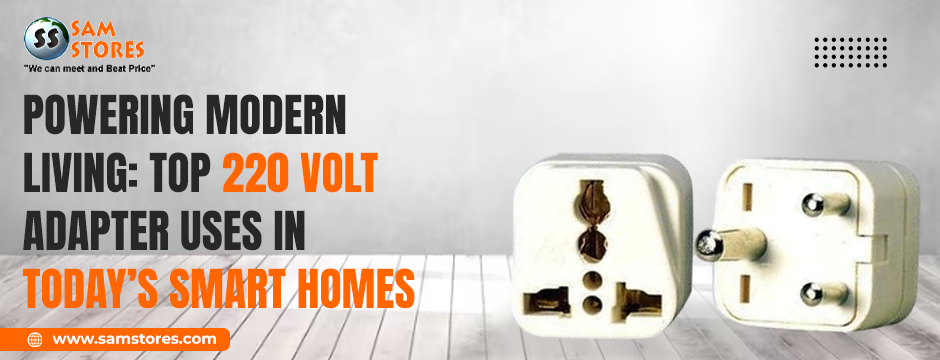
Powering Modern Living: Top 220 Volt Adapter Uses in Today’s Smart Homes

Modern homes depend on electricity more than ever before. From climate control systems to connected devices, daily comfort now relies on stable power delivery. As households integrate appliances from different regions and upgrade to smarter technology, voltage compatibility becomes essential. This is where 220 Volt adapters quietly play a powerful role.

Many homes today feature imported electronics, advanced kitchen equipment, and smart living solutions. However, not every device matches local voltage standards. Without the right adapter, even premium appliances remain unusable. A reliable power adapter (220V) bridges that gap, allowing homeowners to operate high-powered equipment safely and efficiently.

Beyond convenience, these adapters protect investments. They regulate power flow, reduce electrical stress, and help prevent damage caused by voltage mismatch.

With energy-hungry appliances becoming standard in modern households, understanding how an electrical adapter (220 volt) supports everyday living is more important than ever.

Why 220 Volt Adapters Matter in Modern Homes?

Most large household appliances require higher voltage to function efficiently. Air conditioners, refrigerators, washing machines, and ovens draw significant power during operation. An AC adapter (220V) ensures these devices receive consistent voltage, preventing overloads and performance issues.

In many regions, homes support mixed-voltage environments. Some outlets deliver lower voltage for small electronics, while others supply higher voltage for heavy-duty equipment. Adapters allow homeowners to connect appliances across these systems without rewiring or costly electrical upgrades.

They also simplify life for families using imported products. International appliances often operate on 220 volts. Instead of replacing these devices, adapters provide an affordable compatibility solution.

Most importantly, quality adapters enhance safety. They help regulate current flow, reduce heat buildup, and effectively minimize the risk of short circuits when used correctly.

Powering Essential Appliances with 220 Volt Adapters

High-wattage appliances form the backbone of modern households. These machines demand stable voltage to deliver peak performance.

Air Conditioners & Climate Control Systems

Air conditioners consume large amounts of power during startup and continuous operation. A suitable 220 V plug adapter ensures smooth performance while protecting internal compressors. Without proper voltage alignment, cooling efficiency drops and component wear increases.

How The Braun 220 Volt Hair Dryer Redefines Everyday Glamour_

Adapters also help homeowners install split units or imported systems without modifying existing wiring. This flexibility supports faster installations and cleaner layouts.

Refrigerators And Freezers

Refrigeration systems require consistent power to maintain temperature stability. Voltage fluctuations can damage compressors and reduce food preservation efficiency.

Using a 220 Volt electrical adapter helps refrigerators operate within their designed parameters. It also minimizes energy loss and supports quieter operation.

For smart refrigerators with digital panels, stable voltage becomes even more critical.

Washing Machines And Laundry Equipment

Modern washing machines combine motors, heaters, and control boards. These components perform best when supplied with a steady voltage.

A 220 Volt electrical AC adapter supports proper heating cycles, balanced drum rotation, and reliable electronic controls. This reduces breakdown risks and extends appliance lifespan, especially for imported or high-capacity models.

Supporting Electronics And Smart Home Devices

While adapters often serve large appliances, they also support today’s expanding ecosystem of electronics and smart devices.

Many smart ovens, induction cooktops, and home automation hubs operate on higher voltage. Adapters make integration seamless, allowing homeowners to build connected environments without replacing existing outlets.

Smart home controllers, surveillance systems, and energy management devices also benefit from regulated power input. Stable voltage ensures uninterrupted connectivity and accurate sensor readings.

In hybrid homes where both traditional appliances and smart technology coexist, adapters act as compatibility bridges. They simplify setup while maintaining performance across different device categories.

Key Benefits of Using 220 Volt Adapters at Home

When chosen carefully, these adapters deliver more than basic connectivity. They contribute to efficiency, safety, and long-term savings.

Some practical advantages include:

  • Improved appliance performance through a consistent voltage supply
  • Reduced risk of overheating and electrical damage
  • Easier integration of imported or specialty equipment
  • Protection for sensitive electronic components
  • Flexibility without expensive rewiring

Adapters also support energy-conscious living. Therefore, by helping appliances operate within designed voltage ranges, they reduce wasted electricity and improve overall efficiency.

Practical Advice for Safe Household Use

Although 220 V plug adapters offer convenience, safe usage remains essential. Improper handling or low-quality products can introduce electrical hazards.

Choose Certified, High-Quality Adapters

Always select adapters with proper safety certifications and durable construction. Look for heat-resistant casing, secure connectors, and internal surge protection.

Avoid ultra-cheap options that lack insulation or grounding. These often fail under load and increase fire risk.

Match Adapter Ratings to Appliance Requirements

Check wattage and current ratings before connecting any device. Adapters should comfortably exceed appliance power needs.

Using under-rated adapters leads to overheating and premature failure. When in doubt, choose higher-capacity models for heavy appliances.

Avoid Overloading Single Outlets

Never connect multiple high-wattage appliances to one adapter or outlet. Spread loads across different circuits whenever possible.

Overloading increases temperature buildup and strains household wiring.

Keep Adapters Well-Ventilated

Adapters generate heat during operation. Place them in open areas away from curtains, carpets, or enclosed cabinets.

Proper airflow prevents internal component damage and extends service life.

Inspect Regularly for Wear

Periodically check adapters for cracks, loose plugs, or discoloration. Replace any unit showing signs of damage immediately.

Preventive maintenance of a 220 Volt adapter costs far less than appliance repair or electrical incidents.

Integrating Adapters into Future-Ready Homes

As homes become smarter, electrical demands will continue rising. From electric cooking to climate automation, voltage compatibility will remain a key consideration.

Forward-thinking homeowners now plan electrical layouts that accommodate adapters strategically. Dedicated high-voltage outlets, surge protection systems, and organized cable management improve both safety and aesthetics.

Adapters also support evolving lifestyles. Remote workstations, home gyms, and entertainment rooms often introduce new equipment with varying power needs. With the right adapters, spaces adapt quickly without structural changes.

End Note

220 Volt adapters may appear simple, yet they play a vital role in powering modern homes. They enable high-performance appliances, support smart technologies, and protect valuable electronics from voltage mismatch.

From air conditioners and refrigerators to connected kitchen devices, these adapters ensure everything runs smoothly under one roof. So, when selected wisely and used responsibly, they enhance comfort, efficiency, and safety across daily life. So, if you want to purchase a 220 Volt adapters, visit Sam Stores today.

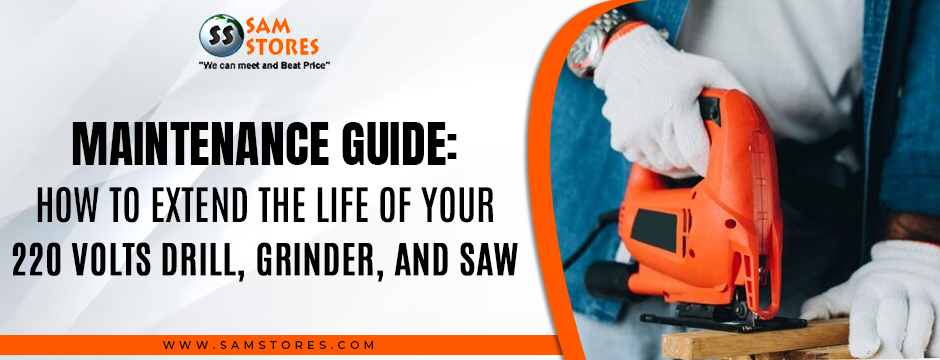
Maintenance Guide: How to Extend the Life of Your 220 Volts Drill, Grinder, and Saw

When you invest in premium tools like a 220 volts Angle grinder, 220 volts drills, and a 220 volts saw, you want them to perform at their best for years. These power tools are built for heavy-duty tasks, but like any machine, they need proper care. The difference between tools that last a few months and those that serve you reliably for years often comes down to one thing; maintenance.

At Sam Stores, we know that customers don’t just want tools; they want long-lasting performance, safety, and value for money. Whether you are a professional contractor or a DIY enthusiast, following the right care practices will keep your tools sharp, safe, and efficient. This guide walks you through proven maintenance tips to extend the life of your most important 220 volts tools.

Why Maintenance Matters for 220 Volts Power Tools

Every time you use a power tool, it undergoes stress. Dust, friction, and heat all add up. Without proper upkeep, even the best tools can lose power, become unsafe, or require costly replacements. Regular maintenance ensures:

  • Better performance and efficiency
  • Longer tool lifespan
  • Lower repair and replacement costs
  • Safer operation for users

Now let’s dive into how you can maintain each tool, starting with one of the most versatile, the 220 volts Angle grinder.

Caring for Your 220 Volts Angle Grinder

The 220 volts Angle grinder is a powerhouse. From cutting metal to polishing surfaces, it takes on tough jobs. But because it runs at high speeds, it can wear down faster than other tools if neglected.

1. Clean After Every Use

Dust, debris, and metal shavings are the enemies of your grinder. After each session, wipe down the tool with a soft cloth and use compressed air to blow out dust from the vents.

2. Inspect the Disc Regularly

Worn-out or cracked discs are not just ineffective, they are dangerous. Always inspect before use and replace damaged discs immediately.

3. Check the Carbon Brushes

The brushes inside the motor gradually wear out. Replacing them on time can significantly extend the life of your grinder.

4. Proper Storage

Keep your 220 volts Angle grinder in a dry, dust-free environment. A case or toolbox is ideal to prevent accidental damage.

Pro Tip from Sam Stores: Invest in high-quality grinder discs. Cheap alternatives wear out quickly and put unnecessary strain on your tool.

Keeping Your 220 Volts Drills in Top Shape

Whether corded or cordless, 220 volts drills are essential for construction and home projects. They work under high torque, which means regular maintenance is crucial.

1. Keep the Chuck Clean

Dust and debris inside the chuck can make it difficult to hold bits securely. Clean it often and apply a drop of machine oil for smooth operation.

2. Use the Right Drill Bits

Using the wrong bit for the material forces the motor to work harder, shortening its lifespan. Match the bit to the task, whether it’s wood, metal, or masonry.

3. Avoid Overheating

Continuous drilling without breaks overheats the motor. Always allow short cooling periods during extended use.

4. Battery Care (For Cordless Models)

If you own a cordless 220 volts drill, never leave the battery fully drained. Charge it before storage and keep it away from extreme heat.

Maintaining Your 220 Volts Saw

A 220 volts saw is a powerful cutting tool, whether you’re working with wood, plastic, or metal. Poor maintenance can lead to uneven cuts, reduced power, and safety risks.

1. Keep Blades Sharp

Dull blades overwork the motor and deliver rough finishes. Sharpen blades when necessary or replace them with high-quality replacements.

2. Clean the Housing and Vents

Sawdust quickly clogs air vents, causing overheating. Use compressed air to clean the vents and wipe down the housing after each job.

3. Align the Blade

Misaligned blades don’t just produce bad cuts; they also strain the tool. Check blade alignment regularly and adjust as needed.

4. Lubricate Moving Parts

A drop of oil on the moving joints will keep the saw running smoothly. Avoid over-lubricating, as excess oil attracts dust.

Sam Stores Tip: Store your saw with a blade guard in place. This protects both the blade and your storage space.

Don’t Forget Your 220 Volts Washer

While this guide focuses on grinders, drills, and saws, your 220 volts washer also deserves attention. Whether you use it for cleaning driveways, vehicles, or industrial equipment, its performance depends on good upkeep.

Maintenance Steps:

  • Flush out detergent residues after each use
  • Inspect hoses for cracks and leaks
  • Store indoors to protect from freezing temperatures
  • Replace worn nozzles to maintain water pressure

A well-maintained 220 volts washer not only lasts longer but also saves you money on repairs.

General Maintenance Habits for All 220 Volts Tools

Beyond specific care, here are universal practices that apply to every tool in your collection:

  1. Read the Manual – Each tool has unique maintenance requirements. The manufacturer’s manual is your best guide.
  2. Use Correct Voltage – Running tools on the wrong voltage reduces performance and risks motor burnout.
  3. Avoid Moisture – Store in a dry space to prevent rust and electrical damage.
  4. Schedule Regular Inspections – Even if your tools look fine, check cords, switches, and moving parts regularly.
  5. Invest in Quality Accessories – Cheap bits, blades, and discs wear down quickly and put stress on your tools.

Why Buy Your 220 Volts Tools from Sam Stores?

At Sam Stores, we understand that buying a power tool is an investment. That’s why we don’t just provide high-quality 220 volts Angle grinders, 220 volts drills, 220 volts saws, and 220 volts washers, we also provide expert advice and after-sales support.

When you shop with us, you get:

  • Authentic, durable tools designed for international use
  • A wide range of 220 volts appliances and accessories
  • Knowledgeable staff ready to guide you on tool selection and maintenance
  • Competitive pricing and reliable shipping

By choosing Sam Stores, you’re not just buying a tool, you’re buying peace of mind.

Final Thoughts

The lifespan of your 220 volts Angle grinder, 220 volts drills, and 220 volts saw depends largely on how well you maintain them. A little time spent on cleaning, inspecting, and storing your tools properly can save you from expensive repairs and replacements.

Whether you’re a professional builder or a weekend DIY warrior, caring for your tools ensures they’ll be ready for the next project. And if you’re looking to upgrade your toolkit or add a 220 volts washer to your collection, Sam Stores is here to help you get the right tool for the job.

Take care of your tools, and they’ll take care of your work.

Top 10 Must-Have 220 Volt Power Tools for Your Workshop in 2025

If you’re serious about your craft—whether you’re a full-time contractor or a passionate DIY enthusiast—your workshop deserves tools that don’t just do the job, but do it right. In 2025, more professionals are turning to 220 volts power tools for one simple reason: they’re built for performance. These tools pack more torque, last longer under pressure, and handle heavy workloads with ease.

At Sam Stores, we specialize in high-quality international voltage tools, and today, we’re highlighting ten absolute essentials that belong in every modern workshop. These aren’t just “good” tools—they’re trusted, tested, and ready to deliver. Let’s get into it.

1. Bosch GKS 130 Professional Circular Saw

220 Volts | 1300W Motor | Shop Now

For clean, fast, and precise wood cutting, this 220 volts saw is an absolute workhorse. With its powerful motor and smart design, you can slice through plywood, MDF, or even OSB like a pro.

What Makes It Great:

  • Built-in dust blower keeps your cut line visible
  • Quick depth adjustment makes switching tasks fast
  • Feels solid in hand—balanced, not bulky

Perfect for: Carpenters, remodelers, and weekend warriors working with a variety of woods.

2. Bosch GWS 24-230 JZ Concrete Cutting Angle Grinder

220 Volts | 2400W | Shop Now

This isn’t your average grinder. Designed for serious cutting jobs, this 220 volts angle grinder makes quick work of concrete, brick, and even reinforced surfaces.

Why It Belongs in Your Shop:

  • Massive 2400W motor for brutal strength
  • Dust protection keeps internals clean, extending tool life
  • Low vibration design means more comfort, less fatigue

Pro Tip: Pair this with Bosch’s CYCLON dust system for cleaner, safer cuts.

3. MYLEK 18V Cordless Drill & Driver Kit

220-240 Volts | Li-ion Battery | Shop Now

This compact cordless 220 volts drill is perfect for everyday tasks—from hanging shelves to assembling furniture.

What You’ll Love:

  • Variable speed with solid torque (20Nm)
  • Built-in LED light makes tight spaces easier
  • Comes with a full 13-piece accessory kit

Great for: Homeowners, hobbyists, and anyone who wants a reliable go-to drill.

4. Bosch GBH 2-26 F Rotary Hammer Drill

220 Volts | SDS-Plus System | Shop Now

When your job involves concrete, you need more than a drill—you need controlled brute force. This Bosch hammer drill handles the toughest materials with smooth confidence.

Why You’ll Keep Reaching for It:

  • 830W motor with 2.7J impact energy
  • Switches easily from drilling to chiseling
  • Comes with both SDS and quick-change chuck

Best for: Concrete drilling, tile removal, and heavy-duty fixings.

5. Makita GA7050R 180mm Angle Grinder

220 Volts | 2000W | Shop Now

Makita’s reputation for reliability is well-earned, and this angle grinder is no exception. It delivers serious power for cutting, grinding, or metal prep—without feeling like a chore to use.

What Makes It Stand Out:

  • 8500 RPM for high-speed performance
  • Solid, lightweight construction
  • Durable aluminum body built to last

Use It For: Welding prep, steel cutting, and smoothing sharp edges.

6. Ginour DG3100A Multifunctional Rotary Tool Set

220 Volts | 200W | Shop Now

Sanding, engraving, polishing, cutting—you name it. This tool’s got it covered. It’s a must-have for fine detail work and artistic DIY projects.

What’s Inside:

  • 129 accessories & 6 attachments
  • Speed range from 8,000 to 35,000 RPM
  • Flexible shaft and ergonomic grip

Perfect for: Makers, jewelers, and anyone who works with precision materials like wood, metal, or glass.

7. BOXTEC 2800W 350mm Concrete Saw

220 Volts | 2800W | Shop Now

If you’re cutting concrete regularly, this 220 volts saw will become your best friend. It powers through slabs, pavers, and bricks with ease.

Why It’s Built for the Job:

  • Heavy-duty 350mm diamond blade
  • Ergonomic and intuitive to handle
  • Great stability under load

Best For: Masonry work, flooring, and heavy-duty demolition.

8. Fein 32mm Magnetic Core Drill

220 Volts | High Torque | Shop Now

Don’t be fooled by its size—this drill is built for tight spaces and delivers like a champ.

What You’ll Appreciate:

  • Compact and lightweight
  • Side-mount feed wheel for control
  • Long life thanks to internal cooling and durable gears

Perfect for: Metal fabrication, HVAC installs, and field service work.

9. STAKO SCY-2800RE+ 2050W Magnetic Drill

220 Volts | 2050W | Shop Now

Designed for heavy-duty core drilling, this powerhouse gives you unmatched grip and precision—even when drilling vertically or upside down.

Why It’s a Game-Changer:

  • Up to 80mm core drilling
  • Soft start and speed control
  • Magnetic adhesion force of 17000N

Ideal for: Structural steel, bridgework, and serious industrial applications.

10. Scheppach HC25SI Silent Air Compressor

220 Volts | 1100W | Shop Now

Noise fatigue is real—and this quiet compressor lets you focus on your tools, not your earplugs.

What Makes It Different:

  • Super quiet motor with only minor vibrations
  • Dual pressure gauges and quick couplings
  • 24L tank with 8-bar pressure capacity

Who It’s For: Anyone using air tools, nail guns, or paint sprayers in noise-sensitive environments.

Final Word: Build Smarter, Work Faster

Choosing the right gear isn’t about having the most—it’s about having the best. The 220 volts power tools above aren’t gimmicks. They’re workshop staples that save time, boost efficiency, and give you consistent, professional results.

Whether you’re cutting through concrete, tightening a screw, or polishing a custom build, these tools are built to perform under pressure.

Explore more premium 220V tools at Sam Stores, trusted by professionals worldwide.