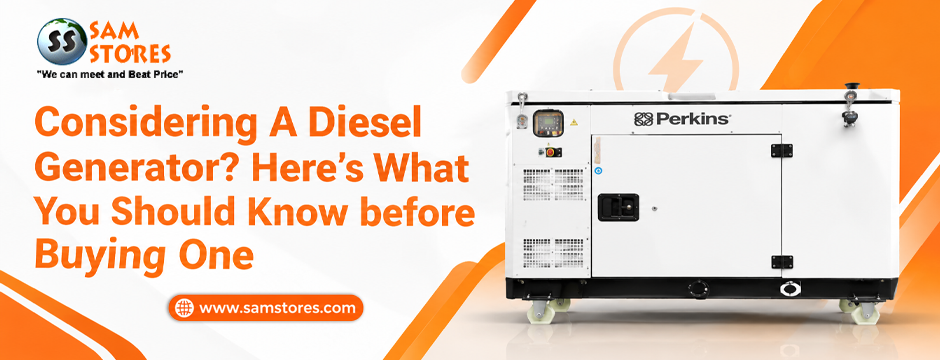
Considering A Diesel Generator? Here’s What You Should Know before Buying One

Power interruptions are inconvenient at home, but they can become expensive for businesses, workshops, farms, and job sites. So, when dependable backup power matters, a generator can provide much-needed peace of mind.

However, choosing the right 220 volt diesel generator involves more than checking its wattage. Fuel type, voltage, phase configuration, runtime, maintenance requirements, noise levels, and connected equipment all influence the buying decision.

If you are considering a diesel generator, understanding how diesel generators work and where they fit into your power requirements can help you make a more confident purchase.

Why Consider A Diesel Generator?

Diesel generators have earned a strong reputation for durability and dependable performance. They are commonly used in environments where generators may need to operate for extended periods.

Diesel engines are designed to handle demanding workloads. This makes them suitable for commercial facilities, construction sites, agricultural operations, workshops, and other applications where consistent backup power is important.

Another advantage is fuel efficiency. Under suitable operating conditions, diesel generators can provide efficient fuel consumption while delivering substantial power output.

That does not automatically make diesel the best choice for everyone. Your usage pattern matters.

If you only need occasional backup power for a few household appliances, a smaller gasoline generator may be more practical. For frequent or heavier-duty use, however, diesel becomes much more attractive.

Understanding 220 Volt Generator Requirements

Voltage is one of the first specifications you should consider before buying a generator. Your generator needs to match the electrical requirements of the equipment you intend to operate.

A 220 volt diesel generator can be appropriate for equipment designed to operate around the 220-volt range. This voltage is commonly associated with heavier electrical loads than those handled by many standard household circuits.

Before purchasing, check the voltage requirements printed on your appliances, machinery, tools, or electrical equipment.

You should also consider the generator’s rated and maximum output. A generator that technically produces the required voltage may still be unsuitable if its power capacity cannot handle your connected load.

Diesel Vs. Gasoline: Which Makes More Sense?

Fuel type can significantly influence your ownership experience.

Gasoline generators are often chosen because they are widely available and can be convenient for occasional use. They can work well for lighter applications where portability and short operating periods are priorities.

A 220 volts gasoline generator may therefore appeal to homeowners or users who need temporary backup power without running a generator regularly.

Diesel generators, meanwhile, are generally better suited to demanding applications and longer operating periods. Diesel engines are known for their robust construction and ability to handle sustained workloads.

The right choice ultimately depends on how often you expect to use the generator, how much power you need, and the environment in which it will operate.

Single-Phase Generators And Electrical Compatibility

Another specification that often gets overlooked is phase configuration.

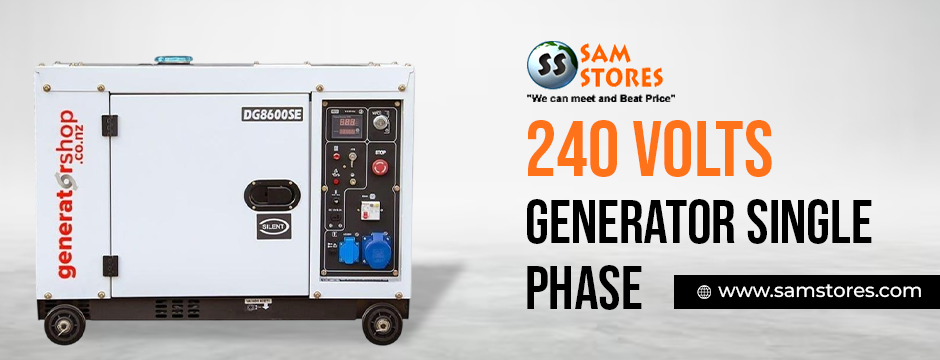
A 240 volt single phase generator is designed for electrical systems and equipment requiring single-phase power at the specified voltage. Single-phase generators can be suitable for many residential applications, small businesses, workshops, and selected equipment.

Three-phase generators are generally more appropriate for larger commercial or industrial systems that use three-phase electrical loads.

Never choose a generator based solely on its voltage rating. The phase configuration must also correspond with your electrical system and equipment. If you are uncertain about compatibility, reviewing the equipment specifications or consulting a qualified electrician before purchasing can prevent expensive mistakes.

How Much Generator Capacity Do You Actually Need?

Buying the biggest generator available is not necessarily the smartest approach.

Start by identifying everything you expect to operate during a power outage. This could include lighting, refrigerators, pumps, computers, tools, air-conditioning equipment, machinery, or other electrical systems.

Then determine their running wattage and starting wattage.

Some equipment requires considerably more power when its motor starts. Refrigerators, pumps, compressors, and air-conditioning systems are common examples.

For example, a generator may comfortably handle the running load of several devices but struggle when multiple motors start simultaneously. Create a realistic load calculation before shopping. It helps you avoid both under-sizing and unnecessary overspending.

What about 220-240 Volt Generators?

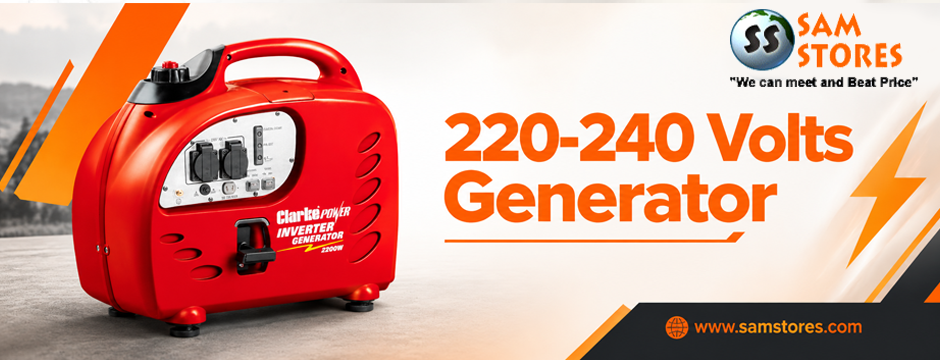
Some buyers search for 220-240 volts generator options because their equipment or electrical system falls within this voltage range. The important point is to understand the exact output specifications rather than assuming every generator labelled within this range will work for every application.
How The Braun 220 Volt Hair Dryer Redefines Everyday Glamour_

Voltage tolerance, frequency, phase, amperage, and connection configuration can all matter. Your equipment’s manufacturer specifications should therefore be the starting point. Once you know the required electrical characteristics, you can compare generator models with much greater confidence.

Think about Runtime before You Buy

A generator’s fuel tank capacity and fuel consumption determine how long it can operate before refuelling. For occasional emergency use, runtime may not be your biggest concern. For businesses or work sites, it can be extremely important.

Imagine losing grid power during a long workday. Constantly stopping to refuel can interrupt operations and create additional inconvenience.

Look at the manufacturer’s stated runtime under specific load conditions. Remember that runtime usually changes depending on how heavily the generator is loaded. A generator running at a lighter load may consume less fuel than one operating close to its maximum capacity.

Maintenance Should Be Part of The Buying Decision

Every engine-powered generator requires maintenance. Diesel models are no exception. Regular servicing helps maintain reliable performance and can reduce the likelihood of unexpected problems during an outage.

Typical maintenance considerations include:

  • Engine oil and filter changes
  • Fuel filter inspection or replacement
  • Air filter maintenance
  • Battery checks
  • Cooling-system inspection
  • Fuel-system checks
  • General electrical and mechanical inspection

Maintenance intervals vary between generator models. So, always follow the manufacturer’s service recommendations rather than relying on a generic schedule.

A generator is an emergency investment. Keeping it maintained ensures it is ready when you actually need it.

Don’t Ignore Noise, Location And Ventilation

Power output is important, but installation conditions matter too.

Diesel generators can produce substantial engine noise, particularly under heavy loads. If the generator will operate near homes, offices, or customer-facing areas, consider its acoustic characteristics before purchasing.

Location is equally important.

Generators should operate in properly ventilated areas because combustion engines produce exhaust gases. They should never be operated in enclosed spaces where dangerous fumes can accumulate.

The installation area should also provide adequate clearance, protection from excessive weather exposure, and convenient access for servicing. For permanently installed systems, professional installation is particularly important.

Consider Long-Term Operating Costs

The purchase price is only one part of the total cost of owning a generator. Consider fuel consumption, routine servicing, replacement parts, installation, battery maintenance, and potential repairs.

A cheaper generator may not always be the most economical option over several years. Likewise, buying a significantly larger generator than necessary can increase acquisition and operating costs.

Think about your actual usage rather than choosing based solely on upfront price. For frequent operation, efficiency and durability can have a much greater impact on long-term value.

When Is A Diesel Generator The Right Choice?

A diesel generator can make considerable sense when reliability and sustained performance are priorities.

It may be particularly suitable if you:

  • Expect frequent or extended generator use
  • Need backup power for demanding equipment
  • Operate a workshop, farm, business, or construction site
  • Require dependable performance during prolonged outages
  • Want an engine designed for heavy-duty applications
  • Prefer to evaluate long-term operating efficiency

On the other hand, occasional users with relatively modest power requirements may find a gasoline generator more convenient. The best generator is not necessarily the most powerful one. It is the one that matches your electrical requirements, operating environment, usage frequency, and budget.

Make Your Generator Purchase with Confidence

Choosing a generator becomes much easier once you stop looking at voltage as the only specification. A reliable buying decision considers voltage, phase, wattage, fuel type, runtime, maintenance, installation requirements, and the equipment you need to power.

Whether you are comparing diesel and gasoline models or evaluating different voltage configurations, take time to understand your actual electrical needs first.

For buyers considering backup power for demanding applications, a 220 volt diesel generator can be a practical solution when its specifications match the intended load.

Sam Stores makes it easier to approach your purchase with the right questions in mind. Compare specifications carefully, understand your power requirements, and choose a generator designed for the way you actually plan to use it.

FAQs

1. What is a 220 volt diesel generator used for?

A 220 volt diesel generator can provide backup electricity for compatible residential, commercial, agricultural, workshop, and job-site equipment.

2. Is a diesel generator better than a gasoline generator?

Diesel generators are generally suited to heavier and longer-duration use, while gasoline models can be convenient for lighter or occasional applications.

3. What should I check before buying a diesel generator?

Check voltage, wattage, phase, fuel consumption, runtime, installation requirements, maintenance needs, and the electrical specifications of your equipment.

4. What does single-phase mean in a generator?

Single-phase refers to the electrical configuration produced by the generator and must match the requirements of the equipment or electrical system being powered.

5. How do I calculate the generator size I need?

Add the running wattage of the equipment you need to power and account for the higher starting wattage required by motors and compressors.

6. Can a diesel generator run continuously?

Some diesel generators are designed for extended operation, but continuous use depends on the model, load, maintenance schedule, cooling, fuel supply, and manufacturer specifications.
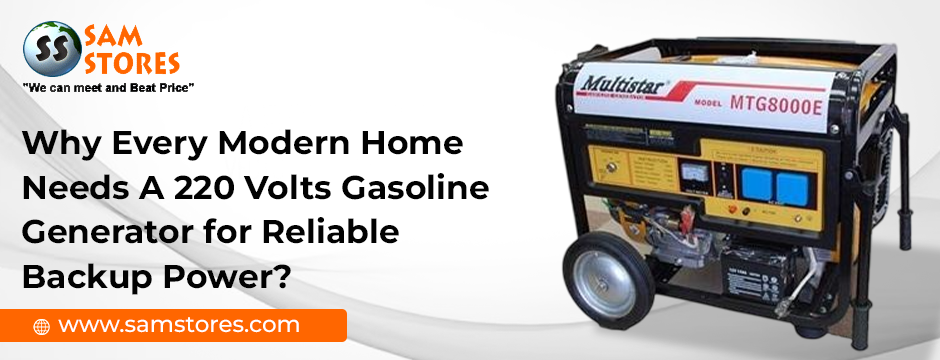
Why Every Modern Home Needs A 220 Volts Gasoline Generator for Reliable Backup Power?

Power outages rarely arrive with warnings. They disrupt routines, damage appliances, and create unexpected discomfort. In many homes, especially those with higher electrical demands, a 220 volts gasoline generator becomes more than a backup—it becomes a necessity. Sam Stores understands this growing need and focuses on practical, reliable power solutions for modern households.

Understanding Household Power Needs

Every home relies on electricity for daily comfort. From refrigerators to air conditioners, power keeps everything running smoothly. However, not all generators meet these needs effectively.

A standard low-voltage generator may handle basic lighting. Yet, it often struggles with heavy appliances. This is where higher voltage systems come into play.

A 220-volt generator supports appliances requiring more power. These include:

  • Air conditioners
  • Water pumps
  • Electric heaters
  • Washing machines
  • Kitchen equipment

As households adopt more advanced appliances, energy demand increases steadily. Therefore, choosing the right generator becomes essential.

Why Voltage Matters More Than Your Imagination?

Voltage determines how efficiently electricity powers devices. A mismatch can lead to poor performance or equipment damage.

A 220-volt system delivers higher efficiency for heavy-duty appliances. It reduces strain on electrical circuits and ensures stable performance. Additionally, it minimizes the risk of overheating.

In contrast, lower voltage generators often overload quickly. This leads to frequent shutdowns and reduced lifespan.

For homes with multiple high-power devices, voltage compatibility becomes critical. It ensures uninterrupted performance during outages.

Common Situations Where You Need A Generator

Power needs vary based on location, lifestyle, and household size. However, certain scenarios make a 220 volts gasoline generator almost essential.

1. Frequent Power Cuts

Areas with unstable electricity face regular outages. These interruptions can disrupt work, food storage, and daily routines. A generator ensures continuity. It keeps essential appliances running without interruption.

2. Remote Or Semi-Urban Living

Homes located away from city centers often experience delayed power restoration. In such cases, backup power becomes crucial.

A gasoline generator offers independence from the grid. It provides reliable electricity whenever needed.

3. Home-Based Work or Business

Remote work has become increasingly common. Power interruptions can lead to productivity loss and missed deadlines.

A reliable generator maintains internet connectivity and device operation. It ensures professional consistency.

4. Medical Equipment Dependence

Some households rely on medical devices requiring constant power. Any interruption can pose serious risks. A high-capacity generator ensures uninterrupted operation. It offers peace of mind in critical situations.

Benefits of Choosing A 220-Volt Gasoline Generator

Selecting the right generator involves understanding its advantages. A well-matched system improves both efficiency and convenience.

  • Higher Power Output

A 220-volt generator handles multiple appliances simultaneously. It eliminates the need to prioritize devices during outages.

How The Braun 220 Volt Hair Dryer Redefines Everyday Glamour_
  • Better Appliance Compatibility

Many modern appliances require higher voltage. A compatible 240 Volt single-phase generator ensures optimal performance without damage.

  • Portable and Convenient

Gasoline generators are easy to move and store. They do not require complex installation processes.

  • Quick Start Capability

Unlike some alternatives, gasoline generators start quickly. This feature proves useful during sudden outages.

  • Cost-Effective Solution

Compared to larger systems, gasoline generators offer affordability. They deliver strong performance without excessive investment.

Comparing Generator Types: Why Gasoline Stands Out?

Different generator types serve different purposes. Understanding these differences helps in making informed decisions.

Gasoline Generators

  • Easy to use
  • Widely available fuel
  • Suitable for short-term outages

Diesel Generators

  • Higher efficiency
  • Longer lifespan
  • More expensive upfront

Inverter Generators

  • Quiet operation
  • Fuel-efficient
  • Limited power capacity

For most households, gasoline generators strike the right balance. They combine affordability, convenience, and performance.

Key Features to Look For before Buying

Choosing the right generator requires careful consideration. Several features determine overall performance and usability.

  • Power Capacity: Calculate total wattage requirements before purchase. This ensures the generator meets household needs effectively.
  • Fuel Efficiency: Efficient fuel consumption reduces operating costs. It also ensures longer runtime during outages.
  • Safety Features: Look for overload protection and automatic shutdown. These features protect both the generator and connected appliances.
  • Noise Levels: Lower noise levels improve comfort. This becomes important in residential areas.
  • Build Quality: Durable construction ensures long-term reliability. It also reduces maintenance requirements.

A well-chosen generator offers both performance and longevity.

Safety Tips for Using Gasoline Generators

Safety should always remain a priority. Improper usage can lead to serious hazards.

  • Never operate generators indoors
  • Keep them away from windows and doors
  • Use proper extension cords
  • Store fuel safely
  • Perform regular maintenance

Following these practices ensures safe and efficient operation.

How Sam Stores Adds Value to Your Purchase?

Buying a generator involves more than just selecting a product. It requires trust, guidance, and reliable support.

Sam Stores focuses on delivering quality and convenience. The platform offers a range of generators suited for different needs. Detailed product descriptions help buyers make informed decisions.

Additionally, customer support ensures smooth purchasing experiences. From selection to delivery, the process remains simple and transparent.

This commitment builds trust and aligns with modern buyer expectations.

Long-Term Benefits of Investing in the Right Generator

A generator is not just an emergency tool. It becomes a long-term asset for your home.

It protects appliances from sudden shutdowns. Furthermore, it ensures comfort during extreme weather conditions. It also supports productivity in work-from-home environments.

Over time, the value of a reliable generator becomes evident. It reduces stress and enhances overall living standards.

Final Thoughts

Power interruptions can disrupt life in many ways. However, the right backup solution changes everything. A 220 volts gasoline generator offers reliability, efficiency, and peace of mind.

For households with higher energy demands, this investment proves essential. It supports modern appliances and ensures uninterrupted comfort.

Sam Stores continues to provide dependable solutions for evolving needs. Choosing the right generator today ensures a more secure and comfortable tomorrow.

Frequently Asked Questions (FAQs)

What appliances can a 220-volt generator run at home?

A 220-volt generator can power heavy appliances like air conditioners, refrigerators, washing machines, and water pumps efficiently.

Is a 220 volts gasoline generator suitable for daily use?

A 220 volts gasoline generator works best for backup situations, but it can support daily needs in areas with frequent outages.

How long can a gasoline generator run continuously?

Runtime depends on fuel capacity and load. Most models run between 6 and 12 hours on a full tank.

Are gasoline generators safe for residential use?

Yes, they are safe when used outdoors with proper ventilation and regular maintenance practices.

How do I choose the right generator size for my house?

Calculate the total wattage requirements of essential appliances. Then, choose a generator with slightly higher capacity for safety.

How to Maintain Your 220 Volts Gasoline Generator for Long-Term Reliability

A 220 volts gasoline generator is a valuable tool for providing power during outages or outdoor activities. Whether you use it for home backup power or while camping, keeping your generator in good condition is essential to ensure long-term reliability and performance. Regular maintenance will help extend its lifespan, improve efficiency, and avoid unexpected breakdowns. In this blog, we’ll discuss the steps and tips to maintain your gasoline generator, so it continues to serve you for years to come.

1. Read the User Manual

Before performing any maintenance on your generator, it’s important to thoroughly read the user manual. The manufacturer’s instructions will provide valuable information specific to your model, such as recommended maintenance schedules, oil types, and troubleshooting tips. It’s always best to follow the manufacturer’s guidelines to ensure your generator stays in optimal condition.

2. Change the Oil Regularly

Just like any engine-powered machine, your 220 volts gasoline generator needs regular oil changes to run efficiently. Oil lubricates the engine components and reduces wear and tear, so it’s essential to keep it clean. The general rule is to change the oil every 50 to 100 hours of operation or at least once a year, depending on the generator’s usage. For the first oil change, it’s recommended to change it after the first 20 hours of operation because the engine will have some metal parts that need to break in.

To change the oil:

  • Begin by turning off the generator and allowing it to cool down.
  • Remove the oil drain plug and allow the oil to drain into a container.
  • Once drained, replace the oil filter (if applicable) and fill the engine with the recommended oil type. Check the oil level using the dipstick.

3. Inspect and Clean the Air Filter

The air filter plays a critical role in maintaining the engine’s efficiency by preventing dirt, dust, and debris from entering the engine. If the air filter becomes clogged, the engine will struggle to run and may even overheat. For optimal performance, check the air filter every 25 hours of operation or at least once a month, depending on usage.

To clean or replace the air filter:

  • Remove the cover of the air filter and take out the filter.
  • If it’s a reusable filter, clean it by tapping it gently to remove any dirt. You can also wash it with soapy water and allow it to dry completely before reinserting it.
  • If it’s a disposable filter, replace it with a fresh one.

4. Check and Replace the Spark Plug

A clean and properly functioning spark plug is crucial for efficient engine ignition. Over time, spark plugs can become dirty or worn, leading to engine misfires or difficulty starting. Inspect the spark plug regularly and replace it every 100 to 200 hours of operation, or sooner if it appears damaged.

To inspect and replace the spark plug:

  • Use a wrench to remove the spark plug.
  • Inspect it for signs of wear, corrosion, or carbon buildup. Clean it with a wire brush if necessary.
  • If the spark plug is worn or damaged, replace it with a new one that meets the manufacturer’s specifications.

5. Fuel System Maintenance

The fuel system is another critical part of your generator that requires attention. Stale fuel is a common cause of generator malfunctions, as gasoline can break down over time and clog the carburetor. To prevent this, always use fresh fuel and add a fuel stabilizer if you plan to store the generator for a long period.

Here’s how to maintain the fuel system:

  • If the generator will be stored for a while, drain the fuel tank and carburetor to avoid fuel degradation.
  • Before using the generator again, fill it with fresh fuel and ensure the fuel lines are clear of any blockages.
  • Inspect the fuel filter and replace it if needed, usually once a year.

6. Check the Battery

For models that include an electric start feature, the battery plays a significant role in reliable operation. Make sure the battery is fully charged and in good working condition. Over time, a battery can lose charge or corrode, which may prevent your generator from starting.

To maintain the battery:

  • Check the battery terminals for any corrosion and clean them with a mixture of baking soda and water if necessary.
  • Ensure that the battery is securely connected and fully charged.
  • If you won’t be using the generator for an extended period, disconnect the battery to prevent discharge.

7. Keep the Generator Clean and Dry

A clean 220 volts gasoline generator runs better and has a longer lifespan. Dirt, dust, and debris can accumulate on the exterior, clogging vents and air filters. Keep your generator in a clean, dry area, and regularly wipe down the exterior to remove dirt and grease. Use a soft cloth or brush to clean hard-to-reach areas, and never use water directly on the engine, as this could cause electrical damage.

8. Test Your Generator Regularly

Even if you’re not using your generator frequently, it’s important to test it every 1 to 3 months. Running the generator under a load (such as a light or small appliance) for about 20 to 30 minutes will help ensure it’s functioning properly. Regular testing will also allow you to catch any potential issues early, preventing breakdowns when you need it most.

9. Store the Generator Properly

Proper storage is essential for the longevity of your 220 volts gasoline generator, especially if you’re not using it for an extended period. If you’re storing it for winter or several months, follow these steps:

  • Drain all fuel from the tank and carburetor.
  • Remove the battery if your model has one and store it in a cool, dry place.
  • Cover the generator with a protective cover to prevent dust, dirt, or moisture from accumulating.

10. Keep an Eye on Engine Vibration

If you notice unusual vibrations while the generator is running, it could be a sign of internal damage or loose components. Regularly check the engine for any loose bolts or parts. Tighten them as necessary and listen for any abnormal sounds during operation. Keeping the engine in good shape reduces the risk of further damage and ensures smooth operation.

Gasoline generator

Power Up with Sam Stores: Your One-Stop Shop for the Best Generators!

Looking for a reliable and high-performance generator? At Sam Stores, we offer the MULTISTAR MTG8000E GASOLINE GENERATOR 220 VOLT, a top-tier choice for all your power needs. Whether you’re preparing for emergencies or outdoor adventures, this generator provides consistent and efficient power with its robust features. With easy maintenance and long-lasting durability, it’s the ideal solution for both home and commercial use. Visit Sam Stores today and invest in the MULTISTAR MTG8000E to ensure you’re always ready for any power challenge that comes your way!

End Note

Maintaining your 220 volts gasoline generator is key to ensuring it operates efficiently and reliably for many years. Regular upkeep, such as oil changes, air filter cleaning, spark plug inspection, and fuel system maintenance, will prevent unnecessary breakdowns and keep the engine running smoothly. By following the manufacturer’s guidelines and performing these simple tasks, you’ll ensure that your generator is ready to perform whenever you need it.

Whether you’re using your generator for backup power at home or for your outdoor activities, taking the time to maintain it properly will save you time and money in the long run.

Off-Grid Power Solutions: How a 220-Volt Gasoline Generator Can Keep You Connected

In today’s world, where uninterrupted power supply is crucial for both residential and commercial settings, having a reliable backup power solution is essential. Whether you’re facing a sudden power outage or living off-grid in remote locations, a 220-volt gasoline generator can be your lifeline to keep you connected. 

In this blog, we’ll explore the versatility and functionality of gasoline generators as off-grid power solutions and how they can ensure your comfort, convenience, and safety even in the most challenging situations.

Understanding Off-Grid Power Solutions

Off-grid power solutions refer to systems that provide electricity independently of the main power grid. These systems are particularly useful in remote areas where access to the grid is limited or unreliable. Off-grid power solutions can include a variety of technologies, such as solar panels, wind turbines, and generators. Among these options, gasoline generators stand out for their versatility, portability, and immediate power availability.

The Role of 220-Volt Gasoline Generators

A 220-volt gasoline generator is a type of portable generator that runs on gasoline fuel and produces electricity at a voltage suitable for powering a wide range of electrical devices and appliances. These generators typically come equipped with multiple outlets, including 220-volt sockets, allowing you to connect high-power appliances directly.

Here’s how this gasoline generator can keep you connected in various scenarios:

  • Emergency Power Backup

During unexpected power outages caused by severe weather, equipment failure, or other emergencies, this gasoline generator can provide immediate backup power to keep essential appliances running. This includes refrigerators, freezers, lights, communication devices, and medical equipment, ensuring your safety, comfort, and peace of mind until grid power is restored.

  • Off-Grid Living

For individuals or families living off-grid in remote locations, a 220-volt gasoline generator serves as a primary or supplementary power source. It enables them to power their homes, cabins, or RVs, allowing for a more comfortable and convenient lifestyle. With the ability to run power tools, kitchen appliances, heating or cooling systems, and entertainment devices, off-grid living becomes more manageable and enjoyable.

  • Outdoor Activities and Events

Whether you’re camping, hosting outdoor events, or working on DIY projects in the yard, a gasoline generator provides the power you need to run equipment and appliances wherever you go. From powering lighting, cooking appliances, and audio systems to charging electronic devices and running power tools, these generators enhance the convenience and enjoyment of outdoor activities.

  • Remote Work and Business Operations

With the rise of remote work and online businesses, a reliable power supply is essential for staying productive and connected. This gasoline generator ensures uninterrupted power for home offices, workshops, and small businesses, allowing you to continue working even during power outages or grid disruptions. This reliability is especially critical for industries such as healthcare, telecommunications, and e-commerce.

Features and Benefits of 220-Volt Gasoline Generators

Now let’s explore some of the key features and benefits that make 220-volt gasoline generators a preferred choice for off-grid power solutions:

  • Portability: Most 220-volt gasoline generators are designed to be portable, with compact and lightweight designs that make them easy to transport and use in various locations.

  • Power Output: These generators provide ample power output to run multiple appliances simultaneously, including high-wattage devices such as air conditioners, heaters, and power tools.

  • Fuel Efficiency: Modern gasoline generators are equipped with fuel-efficient engines that maximize runtime and minimize fuel consumption, allowing for extended operation on a single tank of gasoline.

  • Ease of Use: With user-friendly controls, easy starting mechanisms, and intuitive operation, these generators are accessible to users of all experience levels, ensuring hassle-free setup and operation.

  • Quiet Operation: Advanced noise-reduction technologies help minimize engine noise, making 220-volt gasoline generators suitable for use in residential areas and outdoor environments where noise pollution is a concern.

  • Reliability: Built to withstand rugged conditions and prolonged use, these generators are highly reliable and durable, providing dependable power when you need it most.

Tips for Using a 220-Volt Gasoline Generator Safely and Effectively

While these gasoline generators offer numerous benefits, it’s essential to use them safely and responsibly to prevent accidents and ensure optimal performance. Here are some tips for using a gasoline generator safely and effectively:

  1. Read the User Manual: Familiarize yourself with the generator’s operation, maintenance requirements, and safety guidelines outlined in the user manual before use.

  2. Choose a Suitable Location: Place the generator outdoors in a well-ventilated area away from windows, doors, and vents to prevent carbon monoxide buildup. Use a sturdy, level surface to prevent tipping or vibration.

  3. Follow Fueling Instructions: Use only fresh, unleaded gasoline with the recommended octane rating specified by the manufacturer. Avoid overfilling the fuel tank, and clean up any spills promptly to prevent fire hazards.

  4. Start and Stop Safely: Follow the manufacturer’s instructions for starting and stopping the generator, including the proper sequence of operations and safety precautions.

  5. Use Ground Fault Circuit Interrupters (GFCIs): When connecting electrical devices to the generator, use GFCI-protected extension cords to minimize the risk of electric shock in wet or damp conditions.

  6. Monitor Operation: Keep an eye on the generator while it’s running to ensure smooth operation and address any issues promptly. Check fuel levels, oil levels, and engine temperature regularly.

  7. Allow for Cooldown: Let the generator cool down for a few minutes before refueling or performing maintenance tasks to avoid burns and injuries.

Summary 

220-volt gasoline generators offer versatile off-grid power solutions for various scenarios, from emergency backup during power outages to supporting off-grid living and outdoor activities. Their portability, ample power output, fuel efficiency, and ease of use make them ideal for powering essential appliances and devices. 

However, it’s crucial to prioritize safety by following manufacturer guidelines and using the generator responsibly. With their reliability and convenience, these gasoline generators ensure an uninterrupted power supply, keeping you connected and prepared for any situation. If you want to buy this generator, you can order from Sam Stores.