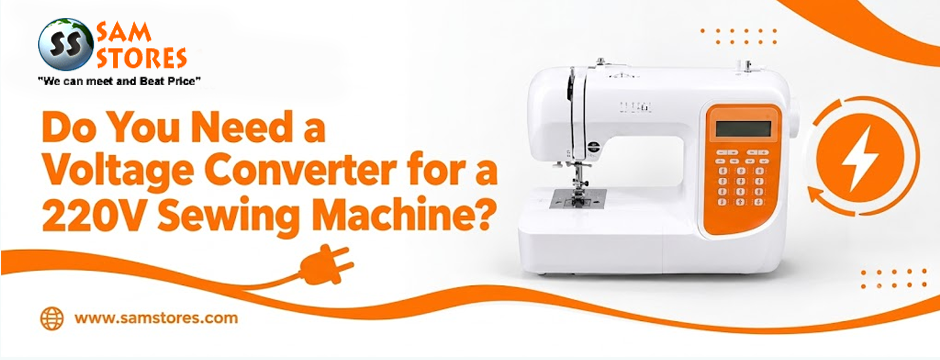
Do You Need a Voltage Converter for a 220V Sewing Machine?

Buying a sewing machine for use in another country can raise a few questions, especially when the voltage at home differs from the machine’s electrical requirements. You might find a sewing machine that suits your projects perfectly, only to discover that its power rating is 220V while your wall outlet supplies 110V or 120V. Should you buy a voltage converter, use a plug adapter, or look for another model?

The answer depends on the machine’s specifications and the electrical supply where you plan to use it. Getting this right matters because an incompatible power supply can prevent your sewing machine from working properly and may even damage its motor or electronic components.

At Sam Stores, choosing the right electrical appliance starts with understanding how it fits your needs. If you are shopping for a sewing machine 220v voltage model, this guide explains when a voltage converter is necessary, how to check compatibility, and what to consider before making a purchase.

Do You Need a Voltage Converter for a 220V Sewing Machine?

Yes, you may need a voltage converter if your sewing machine requires 220V but your electrical outlet supplies only 110V or 120V. However, a converter is not always necessary.

The first step is to check the electrical rating printed on the machine, its power adapter, or the manufacturer’s instruction manual.

Here is a simple guide to help you understand your options:

  • 220V sewing machine with a 110V or 120V outlet: A suitable step-up voltage converter is generally required unless the machine is rated for both voltage ranges.
  • 220V sewing machine with a 220V to 240V outlet: A voltage converter is usually unnecessary if the machine’s rated input supports the local supply.
  • Dual-voltage sewing machine: If the rating specifies an input such as 100V to 240V, a voltage converter is generally unnecessary. You may only need a compatible plug adapter.
  • Unclear voltage rating: Check the manufacturer’s documentation before connecting the machine to the outlet.

Do not assume that every sewing machine sold internationally supports multiple voltages. Even machines from the same brand can have different electrical specifications depending on the model and intended market.

Understanding Sewing Machine 220V Voltage Requirements

Voltage is the electrical pressure that drives current through a device. Sewing machines use electrical power to operate their motors, control systems, lights and other components.

A machine designed for 220V expects a supply within its specified operating range. If you connect it to an incompatible source, it may fail to start, perform poorly or suffer electrical damage.

Understanding the difference between voltage, frequency and plug type can help you avoid an unnecessary purchase or an expensive repair.

Voltage and frequency are not the same

Voltage refers to the electrical supply level, while frequency, measured in hertz (Hz), describes how often the alternating current changes direction.

A sewing machine rated for 220V and 50Hz may have different compatibility requirements from one rated for 120V and 60Hz. Some machines support multiple frequencies, while others have restrictions.

Before buying a converter, check both the voltage and frequency ratings. A converter that changes voltage does not necessarily change frequency.

Plug adapters do not convert voltage

This is one of the most common mistakes buyers make when purchasing appliances for international use.

A plug adapter changes the physical shape of a plug so it can fit a different outlet. It does not change the electrical voltage.

For example, if you bring a 220V sewing machine to a home with 120V outlets, a simple plug adapter will not turn the 120V supply into 220V. You would generally need a properly rated step-up converter, unless the sewing machine supports both voltages.

Knowing this distinction before ordering can save you time and help protect your investment.

When Should You Buy a Voltage Converter?

A voltage converter is worth considering when your sewing machine and household electricity operate at different voltage levels.

Imagine a customer in the United States buying a sewing machine designed for 220V operation. The machine may offer the desired stitching functions, but a standard household outlet in the United States typically supplies around 120V. Connecting the machine directly could leave it unable to operate correctly.

In this situation, a step-up converter may be appropriate.

Before choosing one, consider these factors.

1. Check the machine’s wattage

Voltage is only one part of the calculation. You also need to know how much electrical power the sewing machine consumes.

Look for the wattage or current rating on the product label or in the user manual. The converter must be capable of handling the machine’s power demand, including any startup requirements.

A converter rated too close to the machine’s normal consumption may not provide enough capacity for reliable operation. Follow the converter manufacturer’s sizing guidance and allow for any additional starting load specified for the machine.

2. Consider the motor and electronic controls

A basic mechanical sewing machine may have different power requirements from a computerised model with a display, automatic threading features or electronic speed controls.

If your machine uses sophisticated electronics, choose a converter that is explicitly suitable for that type of equipment. Check the manufacturer’s guidance before using a converter with sensitive electronic components.

3. Confirm frequency compatibility

A voltage converter may adjust the voltage without changing the frequency. If your machine specifies a particular frequency, confirm that it is compatible with your local supply.

If the documentation does not make this clear, contact the manufacturer or an authorised service provider before using the machine.

Can You Use a Singer Sewing Machine 220 Volt Model in the USA?

A singer sewing machine 220 volt model can potentially be used in the United States, but the exact model determines what equipment you need.

Singer offers sewing machines for different markets, and their voltage requirements can vary. You should never assume that all Singer machines have the same electrical rating.

Start by locating the rating label on the machine or checking the model’s official manual.

If the label specifies 220V only, you will generally need a suitable step-up converter to use the machine with a standard 120V supply. The converter must also meet the machine’s power requirements and any other electrical specifications.

If the machine is marked for a dual-voltage input, such as 100V to 240V, it may operate directly from a compatible US supply. In that case, a plug adapter may be sufficient, provided the frequency requirements are also met.

A practical buying tip: Check the model number, voltage rating, wattage and frequency before ordering a Singer machine from an international retailer. This is particularly important when purchasing online, where product photographs may show a plug or specification intended for a different country.

How to Choose the Right Converter for a 220 Volts Sewing Machine

Once you establish that a converter is necessary, focus on compatibility rather than choosing the cheapest option.

A suitable converter should meet the following requirements:

  • Correct voltage conversion: It should provide the output voltage required by your sewing machine.
  • Adequate power capacity: Its rating should accommodate the machine’s consumption and startup requirements.
  • Suitable electrical design: It should be appropriate for the machine’s motor and electronic controls.
  • Correct frequency compatibility: It should not be assumed to change 50Hz power to 60Hz, or the reverse.
  • Reliable safety features: Look for appropriate overload protection and recognised safety certifications for your market.

A converter with insufficient capacity can overheat or shut down during operation. A poorly matched device can also cause inconsistent performance.

If you are unsure which converter to buy, consult the sewing machine manufacturer or a qualified electrician. This is preferable to relying on a generic converter listing that does not clearly explain its specifications.

Should You Buy a 220V Sewing Machine or a Dual-Voltage Model?

The right choice depends on where you will use the machine and whether you expect to move between countries.

A dedicated 220V sewing machine can be a practical option for households with compatible electrical outlets. If you are buying the machine for a permanent workspace in a region with a suitable 220V to 240V supply, a separate converter may not be needed.

A dual-voltage model offers more flexibility. If its specifications support both 110V to 120V and 220V to 240V supplies, it may be easier to use when relocating or travelling between regions. You will still need to check frequency compatibility and the appropriate plug arrangement.

Consider your sewing habits before deciding. Someone who sews regularly in a dedicated home studio may prioritise stitch options, durability and ease of maintenance. A person who moves frequently may place greater importance on portability and voltage flexibility.

If you are exploring international appliance options, Sam Stores can be a useful starting point for researching products intended for different electrical standards. Always verify the specifications of the particular model before purchasing.

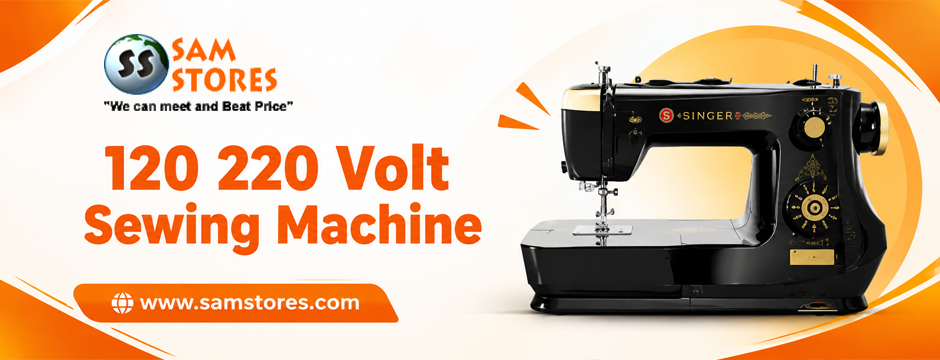
You can also explore related household appliance options, including 120 220 volt sewing machine, when comparing voltage requirements and available configurations. For other international kitchen appliance needs, browse 220 Volts Bread Machines.
How The Braun 220 Volt Hair Dryer Redefines Everyday Glamour_

Common Mistakes to Avoid When Using a 220V Sewing Machine

Even experienced sewing enthusiasts can overlook electrical compatibility when purchasing a machine online. A few simple checks can help prevent problems.

Mistake 1: Assuming a plug adapter is enough. A plug adapter changes the plug shape, not the voltage. Check whether the machine supports the local supply.

Mistake 2: Ignoring the power rating. A converter must support the machine’s electrical demand. Check the wattage and startup requirements before selecting one.

Mistake 3: Overlooking frequency. A voltage converter may not change the frequency. Confirm that the machine supports the available electrical supply.

Mistake 4: Buying without checking the model number. Product names alone do not guarantee identical electrical specifications. Read the manufacturer’s documentation for the exact model.

Mistake 5: Using an unsuitable converter for electronic equipment. Some computerised machines have specific power requirements. Confirm that the converter is appropriate before connecting the machine.

Taking a few minutes to check these details can help you avoid unnecessary costs and make a more confident purchase.

Find the Right Sewing Machine for Your Needs at Sam Stores

Choosing a sewing machine involves more than comparing stitch patterns, speed settings and prices. Voltage compatibility is just as important, particularly if you are buying an appliance designed for use in another country.

Before placing an order, check the machine’s rated voltage, frequency, wattage and plug type. If it requires 220V but your home supplies 120V, investigate a suitable step-up converter. If it supports a broad dual-voltage range, you may be able to use it with a plug adapter instead.

At Sam Stores, taking the time to understand product specifications helps you make a more informed decision and choose equipment suited to your home or sewing workspace.

Whether you are a beginner learning basic alterations or an experienced sewing enthusiast working on detailed garments, the right machine should fit your projects and your electrical setup. Compare the specifications carefully, confirm compatibility before connecting the machine, and invest in the equipment that makes sense for your needs.

Frequently asked questions

1. Do I need a voltage converter for a 220V sewing machine?

Yes, if the machine requires 220V and your outlet supplies only 110V or 120V, you will generally need a suitable step-up voltage converter. Dual-voltage machines may not require one.

2. Can I use a 220V sewing machine with a 120V outlet?

You should not connect a 220V-only machine directly to a 120V outlet. Check whether the manufacturer permits this setup with a suitable converter or whether the model supports both voltages.

3. Will a plug adapter work for a 220V sewing machine?

A plug adapter only changes the plug configuration. It does not convert voltage, so it is insufficient when the machine requires 220V and the outlet supplies 120V.

4. Can a Singer sewing machine rated at 220V work in the USA?

It may work with an appropriately rated step-up converter if the machine is designed for 220V only. Check the model’s voltage, wattage and frequency requirements before use.

5. Can I use a 220V sewing machine on a 230V or 240V supply?

It depends on the machine’s rated input range. Check the manufacturer’s specifications to confirm whether 230V or 240V operation is supported rather than assuming every 220V machine is compatible.
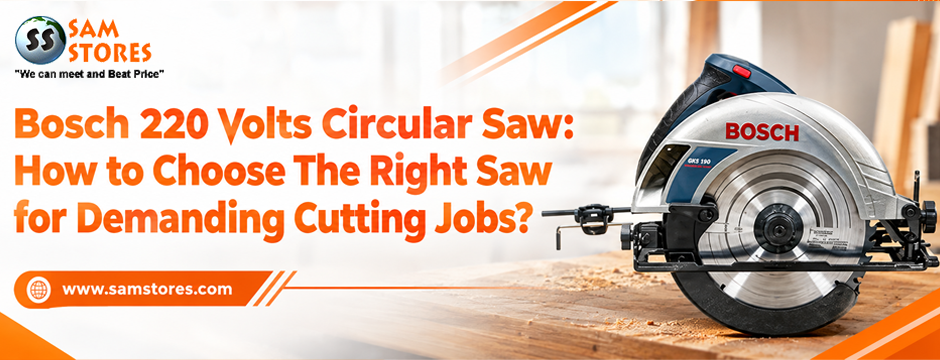
Bosch 220 Volts Circular Saw: How to Choose The Right Saw for Demanding Cutting Jobs?

A clean cut can make all the difference when you are working on a construction, renovation, carpentry, or DIY project. The right saw gives you better control, consistent results, and confidence during demanding jobs. That is why choosing a Bosch 220 Volts circular saw can be a practical decision for users who value dependable cutting performance.

However, buying a power tool should involve more than looking at the brand name. Blade compatibility, motor performance, cutting depth, handling, safety features, and the type of material you regularly cut all deserve attention.

Sam Stores helps tool buyers explore authentic and practical options for professional and everyday applications. With the right information, choosing a circular saw becomes considerably easier.

Why Does A Circular Saw Matter for Your Cutting Work?

A circular saw is designed for making fast, controlled cuts through materials such as timber, boards, and other suitable construction materials. Unlike a handsaw, it combines a rotating blade with powered operation.

That means you can complete repetitive cuts with considerably less physical effort. For contractors, carpenters, installers, and serious DIY users, this can make a noticeable difference during longer projects.

However, speed should never come at the expense of control. A good circular saw should feel balanced in your hands and allow you to maintain a consistent cutting line. The tool should also match the material and cutting requirements of your project.

This is why understanding the saw’s specifications matters before purchasing.

What Should You Look for in A Circular Saw?

Start by considering the work you expect the tool to perform regularly. If you mainly cut timber for home improvement projects, your requirements may differ from those of a contractor working continuously on construction sites.

Pay attention to several practical factors.

  • Motor Performance: A suitable motor should provide enough power for your typical workload.
  • Cutting Depth: This determines how deeply the blade can cut at different angles.
  • Blade Size: Blade diameter influences the type and capacity of cutting applications.
  • Ergonomics: Comfortable handling becomes increasingly important during extended use.
  • Adjustment Mechanisms: Easy depth and bevel adjustments can make repeated cuts more convenient.
  • Safety Features: Guards, switches, and controlled operation should always receive attention.

A Bosch 220 Volts circular saw can be considered within this wider evaluation rather than chosen solely because of its brand.

Why 220 Volts Can Be Relevant to Your Workshop?

Voltage compatibility is an important consideration when purchasing electrical power tools. Before buying any tool, users should confirm that its electrical specifications are appropriate for their intended working environment.

A tool designed for the correct electrical supply can provide straightforward operation without requiring unnecessary adaptations.

For workshops where compatible 220-volt equipment is already being used, maintaining consistency can also make equipment selection simpler. This is especially relevant when building a collection of Bosch 220 Volts power tools for different applications.

A consistent tool range can make it easier to organise equipment around the requirements of a workshop or job site.

Cutting Accuracy Depends on More Than Motor Power

Power attracts attention because it sounds impressive. Yet professional-looking cuts depend on several factors working together. Your cutting technique matters. The blade matters. The material matters. The workpiece must also be supported properly. A powerful saw cannot compensate for an unstable workpiece or an unsuitable blade.

  • Before starting a cut, secure the material and establish the cutting line clearly.
  • Allow the blade to reach appropriate operating speed before beginning the cut.
  • Then guide the tool steadily rather than forcing it through the material.

This approach can help produce cleaner results while reducing unnecessary strain on both the user and the tool.

How Does A Circular Saw Fit into A Larger Tool Collection?

Most professionals do not rely on one power tool for every task. A circular saw handles certain cutting jobs particularly well, while other tools are better suited to grinding, drilling, fastening, or specialised applications.

For example, a Bosch 220 Volts angle grinder can be useful for suitable grinding, cutting, and surface preparation applications.

How The Braun 220 Volt Hair Dryer Redefines Everyday Glamour_

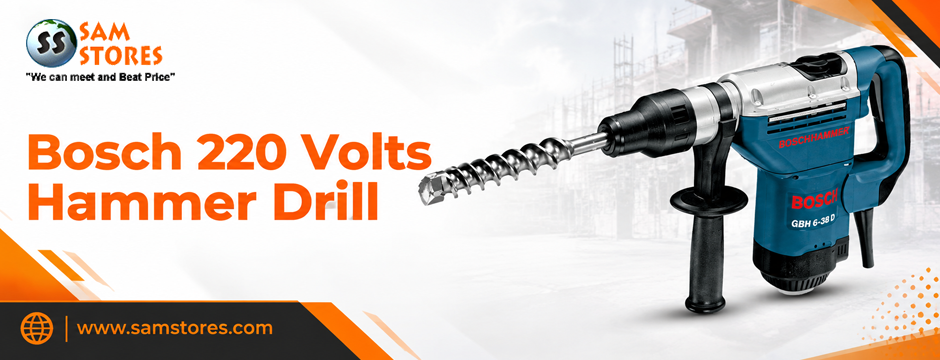
A hammer drill serves another purpose. A Bosch 220 Volts hammer drill can be considered when drilling into suitable masonry and other demanding materials requires a tool with an appropriate hammering function.

The important point is understanding that these tools complement each other. You do not need one tool to perform every job. Instead, a carefully selected collection allows each machine to handle the work it was designed for.

When Is A Circular Saw Better Than A Hand Saw?

Hand saws still have their place. They can be convenient for small jobs, occasional cuts, and situations where powered equipment is unnecessary.

However, repetitive cutting can become tiring. A powered circular saw can significantly reduce the physical effort involved in repeated cuts. It can also help maintain consistent cutting speed across multiple pieces of material. For larger projects, this efficiency can become particularly valuable.

Imagine preparing dozens of timber pieces for a construction project. Hence. making every cut manually would consume considerable time and physical energy. A suitable circular saw can streamline the process while allowing the operator to concentrate on accuracy and consistency.

Safety Should Always Come before Speed

Circular saws contain rapidly rotating blades, so safe operation should never be treated as an optional consideration.

  • Read the manufacturer’s instructions before operating the tool.
  • Use appropriate protective equipment and keep your hands away from the blade path.
  • Make sure the workpiece is properly supported.
  • Check that the blade and guard are correctly installed before starting work.
  • Never rush a cut simply because you are trying to finish quickly.
  • Keep the working area clear and avoid distractions.

It is also important to disconnect the tool from its power source before performing maintenance or changing components, following the manufacturer’s instructions. Good tool performance begins with responsible operation.

Why Does Buying from A Reliable Online Platform Matter?

The product itself is only one part of a successful purchase. A reliable supplier can help you understand specifications, compatibility, and available options before you commit.

This becomes especially useful when you are building a professional toolkit and need several tools for different applications. At Sam Stores, buyers can explore power tool options with their specific requirements in mind.

Rather than selecting equipment based purely on appearance, consider the work the tool needs to perform. That approach can help you avoid buying equipment that is either underpowered for your requirements or unnecessarily advanced for occasional use.

What Makes A Circular Saw A Practical Investment?

A good power tool should solve a real problem. For circular saw users, that problem is often the need to make repeated, controlled cuts efficiently. The right tool can save physical effort and reduce the time required for repetitive work. It can also become a dependable part of a broader workshop setup.

A Bosch 220 Volts circular saw may therefore be worth considering when your projects demand powered cutting performance and your electrical setup is compatible. The final choice should still be based on your application, material, cutting requirements, handling preferences, and safety considerations.

Final Thoughts

Choosing a circular saw becomes easier when you focus on the work rather than simply the product name. A Bosch 220 Volts circular saw can be a practical option for compatible workshops and job sites requiring efficient, controlled cutting.

Consider motor performance, cutting depth, blade compatibility, ergonomics, safety, and your expected workload before purchasing. Sam Stores can be part of that buying journey by helping users explore suitable power tool options for different applications.

So, when the tool matches the job, good preparation and responsible operation can turn demanding cutting work into a more efficient and manageable process.

FAQs

1. What is a circular saw mainly used for?

A circular saw is primarily used for making fast, controlled cuts through suitable materials such as timber and construction boards.

2. How do I choose the right circular saw?

Consider the materials, cutting depth, blade size, workload, ergonomics, electrical requirements, and safety features relevant to your projects.

3. Are Bosch 220-volt tools suitable for every workshop?

Bosch 220 Volts circular saws are generally suitable only when their electrical specifications match the power supply as well as the operating environment where they will be used.

4. Can one power tool handle every construction task?

No. Circular saws, angle grinders, and hammer drills are designed for different applications and complement one another in a wider toolkit.

5. How can I maintain a circular saw?

Keep it clean, inspect components regularly, use compatible blades, follow manufacturer maintenance guidance, and store it in suitable conditions.

Power Your Creativity with the Singer Sewing Machine 220 Volt

The Singer sewing machine 220 volt is a game-changer for hobbyists, professionals, and anyone who loves crafting. Designed for precision and speed, this sewing machine ensures that every stitch is flawless. 

Whether you’re working on garments, home décor, or intricate embroidery, its robust motor and versatile features allow you to handle a wide range of fabrics with ease. Specifically built for heavy-duty use, it empowers creators to bring their ideas to life without compromise. 

Why Choose a 220 Volt Sewing Machine?

Many sewers underestimate the importance of voltage when selecting equipment. A 220 volts sewing machine delivers consistent power, which is critical for maintaining smooth operation and high-speed stitching. 

Unlike standard machines, which can struggle with thicker fabrics, this model provides the torque needed for materials like denim, leather, and canvas. Furthermore, it reduces the chances of motor overheating, ensuring longer equipment life. 

Consequently, investing in a high-voltage sewing machine is not just about speed; it’s about reliability, precision, and professional results.

Key Features of the Singer Sewing Machine 

The Singer sewing machine combines durability with versatility. Some of its standout features include:

  • Powerful Motor: Handles thick fabrics and multiple layers without strain.
  • Multiple Stitch Options: Offers straight, zigzag, decorative, and stretch stitches.
  • Adjustable Speed: Let users control stitching pace, ideal for beginners and professionals alike.
  • Durable Build: High-quality materials ensure the machine withstands frequent use.
  • Easy Threading System: Simplifies setup and reduces downtime.

These features make it an indispensable tool for both personal projects and small business production. Moreover, the machine’s adaptability allows seamless switching between delicate and heavy-duty tasks.

Benefits of Using a 220 Volts Sewing Machine

Using a sewing machine of 220 volts provides multiple practical advantages. Firstly, it ensures faster stitching, which is essential when working on large-scale projects. 

Secondly, the consistent energy supply allows the machine to operate smoothly under continuous use. 

Thirdly, it supports a wider variety of fabrics, enabling you to experiment with creativity without worrying about technical limitations. 

Additionally, the precision and durability of a high-voltage machine reduce mistakes, saving time and material costs. In conclusion, it’s not only about power; it’s also about efficiency, reliability, and enhanced craftsmanship.

Practical Applications for Creators

The Singer sewing machine is ideal for numerous creative endeavors:

  • Home Sewing Projects: Customize clothing, curtains, and upholstery.
  • Fashion Design: Handle complex patterns and multiple fabric layers.
  • Embroidery and Decorative Stitching: Add artistic flair to everyday items.
  • Small Business Production: Perfect for boutique garment makers or alteration services.

By providing consistent performance across these applications, a sewing machine can support both casual hobbyists and serious professionals.

How to Maintain Your 220 Volt Sewing Machine?

Proper maintenance is essential for keeping your Singer sewing machine in peak condition and ensuring long-lasting performance. Start with regular cleaning; remove lint, dust, and thread remnants from the bobbin area, feed dogs, and other accessible parts. This prevents blockages that can affect stitching quality. 

Oiling the moving components with sewing-machine-specific oil keeps gears and joints smooth, reducing friction and wear. Always use compatible needles and threads, as mismatched materials can damage the machine or cause skipped stitches.

For storage, keep your sewing machine in a dust-free, dry environment and cover it when not in use. In professional or heavy-use settings, monthly inspections are highly recommended to check tension settings, motor function, and electrical connections. 

Additionally, scheduling annual professional servicing ensures internal mechanisms and electronics remain in optimal condition. By following these steps, you safeguard your investment, maintain consistent stitch quality, and enjoy smooth, reliable operation for years, whether for home projects or commercial production.

How The Braun 220 Volt Hair Dryer Redefines Everyday Glamour_

Choosing the Right Voltage for Your Needs

Many beginners ask whether a sewing machine of 220 volts is necessary for home use. The answer depends on the projects you intend to tackle. For light fabrics and casual sewing, standard voltage machines may suffice. 

However, if you frequently work with thick fabrics, multiple layers, or commercial-grade projects, the extra voltage is indispensable. High-voltage machines not only provide consistent performance but also improve stitching quality and reduce mechanical strain. 

Specifically, professionals find that upgrading to a sewing machine significantly boosts productivity and project efficiency.

Enhancing Creativity with the Singer Sewing Machine 

Beyond performance, the Singer sewing machine 220 volt expands creative possibilities. Its ability to handle complex fabrics allows designers to experiment with textures, patterns, and techniques previously limited by standard machines. Furthermore, advanced features like multiple stitch options and adjustable speed make it easier to create professional-grade results at home. Artists and hobbyists alike can explore new ideas, knowing their equipment can keep pace with their imagination. Consequently, the machine becomes more than a tool, it’s a partner in creativity.

Buy a Singer Sewing Machine at Sam Stores 

For reliable performance, purchasing from trusted suppliers is critical. Retailers like Sam Stores offer genuine, high-quality Singer sewing machine 220 volt units with warranty support. 

Additionally, buying from authorized sources ensures access to after-sales service and technical assistance. 

Whether you are upgrading from a standard machine or investing in your first high-voltage model, choosing a reputable provider safeguards your investment. 

Furthermore, many suppliers offer guidance on setup, maintenance, and optimal usage to maximize the machine’s lifespan.

Conclusion

In summary, the Singer sewing machine 220 volt is an essential asset for anyone serious about sewing. Its combination of power, precision, and versatility enables creators to explore a wide range of fabrics and projects. 

By choosing a high-voltage machine, you gain reliability, efficiency, and the ability to produce professional-quality results. Whether you are a hobbyist, a fashion designer, or a small business owner, investing in a 220 volts sewing machine empowers you to take your skills to the next level. 

Specifically, the machine’s performance, durability, and ease of use make it a long-term companion for your creative journey.

Experience the power and precision of the Singer sewing machine today, available through trusted sources like Sam Stores for seamless purchase and support.

FAQs

1. What makes the Singer sewing machine 220 volt different from standard machines?
The Singer sewing machine, 220 volt provides consistent power and higher torque, allowing smooth stitching on thick fabrics like denim, leather, and canvas. Unlike standard machines, it reduces motor strain and overheating, ensuring reliable performance for heavy-duty projects and professional use.

2. Can I use a 220 volts sewing machine for home sewing projects?
Yes, a 220 volts sewing machine is versatile enough for home projects, including clothing, curtains, and decorative items. While standard machines suffice for light fabrics, high-voltage models improve efficiency, precision, and durability, making them ideal for both hobbyists and serious creators.

3. How do I maintain my Singer sewing machine 220 volt?
Regular cleaning of the bobbin area, oiling moving parts, using compatible needles and threads, and storing in a dust-free environment are key. For heavy use, monthly inspections and annual professional servicing help maintain smooth operation and extend the machine’s lifespan.

4. What types of projects can I do with a 220 volts sewing machine?
This machine handles multiple applications, from home sewing and embroidery to fashion design and small business production. Its multiple stitch options, adjustable speed, and durable motor allow seamless work on delicate fabrics and heavy layers alike.

5. Where should I buy a Singer sewing machine 220 volt?
Purchasing from authorized and trusted sources like Sam Stores ensures genuine products, warranty support, and access to technical assistance. Authorized retailers also provide guidance on setup, optimal usage, and maintenance for long-term performance.