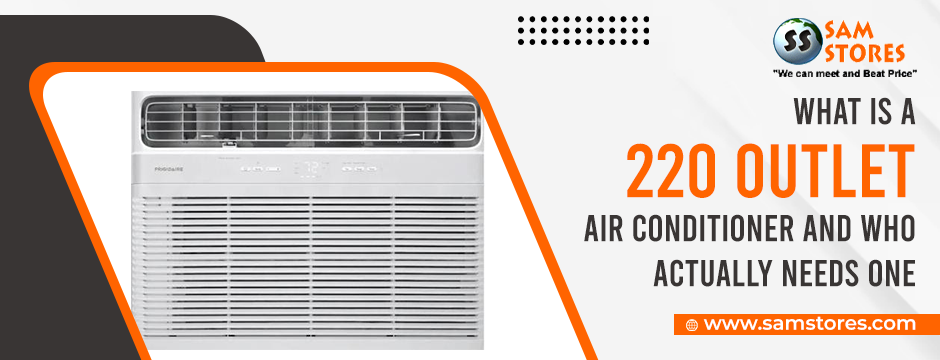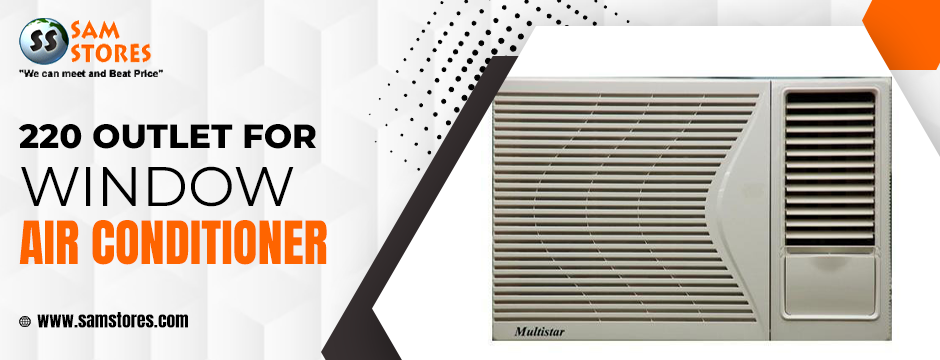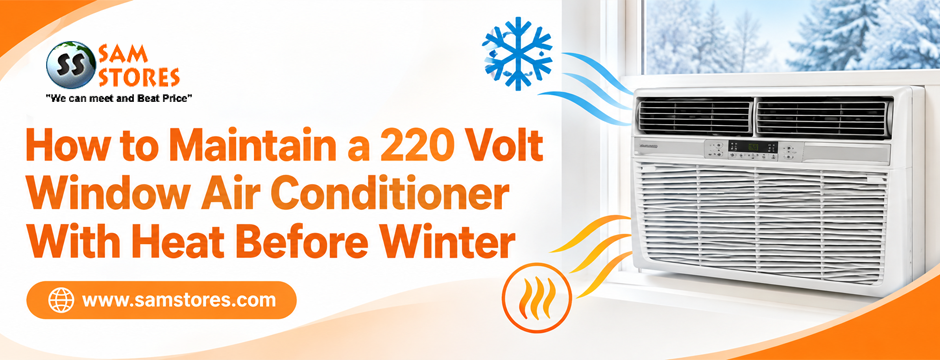
How to Maintain a 220 Volt Window Air Conditioner With Heat Before Winter

When temperatures begin to drop, the last thing you want is to switch on your heating system and discover that it is blowing cold air, making unusual noises or struggling to warm the room. If you rely on a window air conditioner that also provides heating, a little preparation before winter can help prevent these problems and keep your home comfortable.

A 220 volt window air conditioner with heat needs attention before the colder months arrive, particularly if it has spent much of the summer cooling your home. Dust can collect on the filters and coils, drainage channels can become blocked, and outdoor debris can interfere with airflow. These issues may affect heating performance when you need it most.

Whether you use your unit in a bedroom, home office, apartment or living area, proper maintenance can help it operate efficiently and reduce the likelihood of unexpected repairs. For customers exploring heating and cooling appliances, Sam Stores offers a useful starting point for comparing options and understanding which specifications matter before making a purchase.

Why Should You Maintain Your Window AC Before Winter?

A window air conditioner with heating functionality performs two jobs throughout the year. Depending on its design, it may use a heat pump or electric resistance heating to warm your room. Each system has different maintenance requirements, so checking the manufacturer’s instructions is always important.

Leaving maintenance until the first cold day can lead to avoidable inconvenience. A clogged filter restricts airflow, while dirt on accessible heat exchange surfaces can interfere with heat transfer. A blocked drain may also cause water to collect where it should not.

Pre-winter maintenance offers several benefits:

  • Better heating performance: Clean filters and unobstructed airflow help the appliance distribute warm air properly.
  • More predictable energy use: A unit that does not struggle against restricted airflow may avoid unnecessary operating time.
  • Fewer unexpected problems: Basic inspections can reveal visible damage before regular winter use begins.
  • Improved indoor comfort: Proper airflow helps reduce uneven temperatures throughout the room.
  • Longer service life: Following maintenance instructions and addressing problems promptly can help protect the appliance.

Maintenance cannot prevent every fault, but it gives you an opportunity to identify problems before colder weather makes them more inconvenient.

1. Clean the Air Filter Thoroughly

The air filter is one of the first things to check before winter. During summer, it collects dust, lint, pet hair and other airborne particles. If the filter becomes clogged, the unit may struggle to circulate air effectively.

Start by switching off the appliance and following the manufacturer’s instructions for removing the filter. Washable filters can usually be cleaned with water as directed in the manual. Allow the filter to dry completely before reinstalling it. Replace disposable filters rather than washing them.

Never operate the appliance without its required filter.

How often should you clean it? That depends on usage, indoor air quality and the manufacturer’s recommendations. Homes with pets, frequent cooking or heavy dust may need more frequent attention.

A clean filter is a simple maintenance task, but it can make a noticeable difference to airflow and everyday comfort.

2. Inspect the Coils and Air Vents

Dust can accumulate around the accessible parts of an air conditioner’s heat exchange surfaces. In a heat pump model, the coils transfer heat between the indoor and outdoor environments. Restricted airflow can reduce performance in both cooling and heating modes.

With the appliance switched off, inspect the accessible vents and surfaces for visible dust or obstructions. Clean only the areas identified as user-serviceable in the manufacturer’s instructions. Avoid bending delicate fins or using sharp objects to remove debris.

Do not remove sealed panels or attempt to clean internal electrical components yourself. If the coils are heavily soiled, damaged or difficult to access, arrange professional servicing.

Also check that curtains, furniture and other objects are not blocking the indoor air outlet. The unit needs room to circulate air freely if you want warm air to reach the rest of the room.

3. Check the Outdoor Side of the Unit

Window air conditioners need adequate airflow on both sides of the appliance. Leaves, dust and other debris can accumulate around the outdoor grille, especially after a windy summer or autumn.

From a safe position, inspect the exterior section for visible obstructions. Remove loose debris only when you can do so safely without leaning out of a window or disturbing the installation.

Pay attention to the mounting brackets, window frame and visible seals. The unit should remain stable, with no obvious movement, corrosion or signs of water entering the building around the opening.

If the appliance appears loose or the support structure is damaged, stop using it until the installation has been checked. Window AC units are heavy, and an unstable installation can create a serious falling hazard.

4. Check the Drainage System and Window Seals

Moisture management is another part of seasonal maintenance. Depending on the model and its operating mode, condensation may collect and drain through a designated channel or opening.

Check the drainage area for visible dirt or blockages where the manufacturer permits user cleaning. Do not drill additional drainage holes or alter the unit’s drainage design. Some appliances are designed to retain and reuse condensate under particular conditions.

Next, inspect the seal around the window frame. Damaged weatherstripping or gaps around the installation can allow cold air to enter and warm air to escape. This can make the room less comfortable and increase the amount of heating required.

Use a suitable sealing product only where appropriate for the installation, ensuring that you do not block drainage openings or required ventilation areas.

If you notice persistent water leakage, unusual condensation or signs of moisture damage, have the cause investigated before winter use.

5. Test the Heating Function Before Temperatures Drop

One of the most important pre-winter checks is making sure the heating function works correctly. Do this while the weather is still mild enough to arrange servicing if necessary.

First, read the operating instructions and confirm that your appliance is designed to provide heat. Some window AC models offer cooling only, while others include a heating function.

Set the unit to its heating mode and select a reasonable temperature above the current room temperature. Allow it to operate according to the manufacturer’s instructions.

If the appliance uses a heat pump, it may take some time to begin delivering warm air. Certain models also have a defrost cycle during cold weather, which can temporarily change their operation. These behaviours do not automatically indicate a fault.

Watch for the following warning signs:

  • The unit repeatedly shuts down or trips the circuit breaker.
  • Warm air never appears despite the correct settings and sufficient operating time.
  • There are burning smells, sparks or unusual electrical noises.
  • The appliance vibrates excessively or produces unfamiliar mechanical sounds.
  • Water leaks from areas not intended for drainage.

Switch off the appliance if you notice burning smells, sparks or repeated electrical trips. Do not open electrical compartments or attempt repairs while the unit is connected to power. Contact a qualified technician.

Testing the heating mode early gives you time to arrange repairs rather than searching for urgent service during a cold spell.

6. Check Electrical Connections and Voltage Requirements

Electrical compatibility deserves particular attention with a 220 volt air conditioner heater. These appliances can have specific requirements for voltage, current, outlet configuration and circuit capacity.

Inspect the accessible plug, cord and outlet for visible damage, discolouration or signs of overheating. Do not use a unit with a damaged power cord, loose plug or scorched outlet.

Check the appliance nameplate and installation manual for its rated voltage, frequency, current and circuit requirements. Some models require a dedicated circuit. Never assume that an outlet is suitable simply because the plug fits.

A 220v to 110v adapter for air conditioner is not a universal solution for connecting a 220V appliance to a 110V supply. A simple plug adapter changes the connection shape, not the supply voltage. Even a voltage converter may be unsuitable if it cannot handle the appliance’s starting current and continuous electrical load.

If your home’s supply does not match the appliance specifications, consult the manufacturer and a qualified electrician before using it. Never improvise electrical connections or rely on an extension cord unless the manufacturer explicitly permits a suitable, correctly rated arrangement.

7. Consider Whether Your Current Unit Still Meets Your Needs

Pre-winter maintenance is also a good time to consider whether your existing appliance suits your room and usage patterns.

If the unit regularly struggles to heat the space, check for blocked airflow, damaged seals and incorrect settings before assuming that you need a replacement. If the room is consistently uncomfortable despite proper operation, the appliance may be undersized, poorly positioned or unsuitable for the local winter climate.
How The Braun 220 Volt Hair Dryer Redefines Everyday Glamour_

Capacity matters. For example, customers comparing a 220 volt 18000 btu air conditioner should consider room size, ceiling height, insulation, window exposure and the manufacturer’s specified heating output. The BTU rating commonly used to describe cooling capacity does not, by itself, establish how much heat the appliance can deliver in cold weather.

Look at the published heating capacity and the outdoor temperatures at which that capacity is available. A heat pump’s performance can decline in very cold conditions, and not every model is intended for severe winters.

At Sam Stores, comparing product specifications before buying can help you find equipment better suited to your home’s electrical supply and climate.

8. Should You Consider a 220 Volt Portable AC Unit?

A 220 volt portable ac unit may appeal to people who want an appliance that can be moved between suitable spaces. However, portability does not automatically mean that the unit can provide heating.

Some portable models offer cooling only, while others include heating functionality. Check the product specifications carefully, including the required exhaust arrangement, ventilation, electrical supply and heating capacity.

Portable units may also require window access for an exhaust hose, depending on their design. This can affect installation and heat loss during winter.

Before choosing between a window model and a portable appliance, compare the available floor space, noise levels, energy use and installation requirements. The most practical choice is the one that suits your room and can be operated safely throughout the season.

9. Schedule Professional Servicing When Necessary

Routine cleaning is useful, but some maintenance tasks require professional knowledge and equipment.

Arrange a service visit if the unit has weak heating performance, damaged wiring, persistent leaks, unusual mechanical noises or heavily contaminated internal components. A technician can inspect parts that are not intended for homeowner access and check for faults that basic cleaning will not resolve.

Heat pump systems may also need attention if they repeatedly struggle to heat the room or display persistent fault codes. Do not attempt to handle refrigerant, bypass safety controls or repair internal electrical components yourself.

Keep the appliance’s model number and service history available. These details can help a technician identify the correct parts and maintenance procedures.

Your Pre-Winter Window AC Maintenance Checklist

Before relying on your appliance for regular heating, work through this checklist:

  • Clean or replace the air filter as instructed.
  • Inspect accessible vents and surfaces for dust.
  • Check the outdoor grille for visible obstructions.
  • Examine the mounting and window seals for damage.
  • Check the drainage area where user cleaning is permitted.
  • Test the heating mode according to the manual.
  • Inspect accessible electrical connections for visible damage.
  • Confirm that the outlet and circuit meet the appliance requirements.
  • Arrange professional service if you notice warning signs.

These checks do not replace the manufacturer’s maintenance schedule, but they provide a useful starting point before regular winter operation.

Keep Your Home Comfortable This Winter With Sam Stores

A well-maintained 220 volt window air conditioner with heat can be a practical option for households that want cooling during warmer months and heating when temperatures fall. The key is to prepare the appliance before cold weather arrives, rather than waiting until a problem interrupts your comfort.

Start with the basics: clean the filter, inspect airflow, check the installation, test the heating function and confirm that the electrical supply is suitable. If the unit shows signs of damage or poor performance, arrange professional help before continuing to use it.

If you are considering a replacement, Sam Stores can be a starting point for comparing air conditioning options. Look beyond the headline price and assess voltage compatibility, heating capacity, room size, operating requirements and seasonal performance.

A little preparation now can help you avoid unnecessary disruption later and make a more informed decision about the appliance you depend on throughout the year.

Frequently asked questions

1. How often should you clean a 220 volt window air conditioner with heat?

Clean or inspect the air filter at the intervals recommended by the manufacturer. Check it more frequently if you have pets, dust or heavy appliance use. Other components should be inspected according to the maintenance manual.

2. Why is my 220 volt window air conditioner not producing enough heat?

Possible causes include a dirty filter, blocked airflow, incorrect settings, low outdoor temperatures or a mechanical fault. Check the user-serviceable parts first. If the problem continues, arrange professional servicing.

3. Can I use a 220 volt air conditioner heater with a 110V adapter?

A basic plug adapter does not convert voltage. A 220V appliance connected to an incompatible 110V supply may not operate correctly. Check the manufacturer’s electrical specifications and consult a qualified electrician before connecting it to a different supply.

4. Does a 220 volt window AC with heat need professional maintenance before winter?

Not necessarily every year for every model, but professional servicing is advisable when the manufacturer recommends it or when you notice weak heating, electrical problems, leaks, unusual noises or other signs of a fault.

5. Is an 18000 BTU air conditioner suitable for winter heating?

It depends on the model’s heating capacity, room size, insulation and outdoor temperature. An 18000 BTU cooling rating does not guarantee the same heating output. Check the manufacturer’s heating specifications before purchasing.
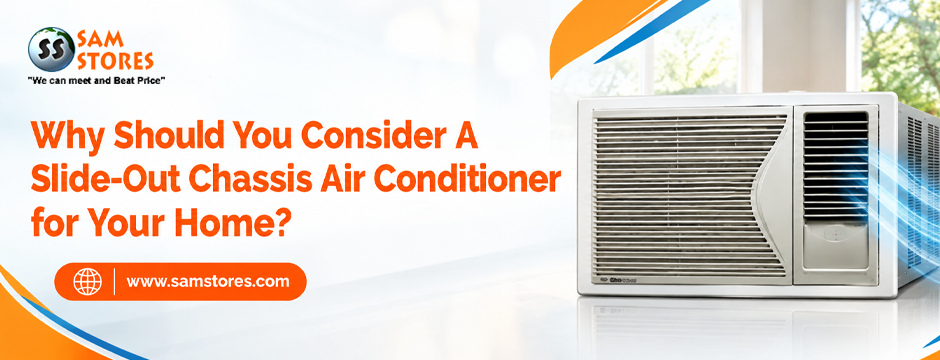
Why Should You Consider A Slide-Out Chassis Air Conditioner for Your Home?

Summer can change how you experience your home. A bedroom that feels comfortable in the morning can become uncomfortable by afternoon, especially when outside temperatures climb. Choosing the right cooling system therefore involves more than checking the BTU rating. Installation style, maintenance access, room size, electrical requirements, and long-term convenience all deserve attention. A 220 volt 10000 BTU air conditioner can be an excellent option for homeowners who need dependable cooling without completely changing their home’s appearance.

So, when paired with a slide-out chassis design, it can also offer practical advantages that traditional window units may not provide. Sam Stores helps homeowners explore these choices with a focus on finding equipment suited to their actual spaces.

What Is A Slide-Out Chassis Air Conditioner?

A slide-out chassis air conditioner has a removable chassis that slides out from its outer cabinet. The design allows the unit to be installed through a wall or within a suitable sleeve, depending on the model.

That configuration creates a different experience from a standard window air conditioner.

Instead of placing the entire appliance inside the window opening, the cabinet can remain installed while the internal chassis can be accessed when necessary. This can make maintenance and servicing more convenient.

For homeowners planning a more permanent cooling solution, that distinction can become important.

A properly selected 220 volt 10000 BTU air conditioner with a slide-out chassis can combine substantial cooling capacity with an installation approach that works well for certain rooms and property layouts.

Why Is A Slide-Out Chassis Worth Considering?

The biggest appeal is flexibility. A traditional window unit occupies a window opening. This can affect natural light, views, ventilation, and how the room feels.

A through-wall installation can provide a more integrated appearance while keeping windows available for their intended purpose.

The slide-out chassis adds another practical advantage.

Because the internal unit can be removed from the sleeve, technicians can potentially access important components more conveniently during servicing. That can make routine maintenance less disruptive than working with an appliance that remains fixed in a difficult position.

For homeowners who prefer permanent installations, this design deserves serious consideration.

How Does It Compare with A Through-the-Wall Installation?

A 220 volt through-the-wall air conditioner can be appealing when you want to preserve window space. However, installation needs careful planning because the wall opening must accommodate the equipment correctly.

The wall itself also needs to be suitable for the installation. Before purchasing, homeowners should consider the wall structure, available space, drainage requirements, electrical supply, and manufacturer’s installation specifications.

A slide-out chassis model can be particularly useful because the sleeve remains in position while the chassis can be accessed separately. This can make the system feel more like a dedicated part of the room rather than a temporary appliance placed into a window.

However, not every model is interchangeable. Always confirm whether the selected air conditioner is specifically designed for the intended installation method.

Is 10,000 BTU Enough for Your Room?

BTU capacity matters because an air conditioner needs to remove enough heat for the space it serves.

  • A 220 volt 10000 BTU air conditioner may be suitable for many medium-sized rooms, but the correct capacity depends on more than floor area.
  • Ceiling height, sunlight exposure, insulation, occupancy, appliances, and room layout can all influence cooling requirements.
  • A room with large sun-facing windows may gain considerably more heat than a shaded room of the same size.
  • Similarly, a living area with several occupants and heat-producing electronics can require more cooling capacity.

Choosing the largest available unit is not automatically the answer. An appropriately sized system can provide more balanced operation and comfortable temperature control. So, check the manufacturer’s recommended room size and installation requirements before making your final choice.

What about Other 220 Volt Air Conditioner Options?

Homeowners often compare several configurations before choosing a cooling system.

For example, 220 volt room air conditioners can provide dedicated cooling for spaces that need independent temperature control. A bedroom, home office, living room, or guest room may have different cooling requirements from the rest of the house.

Dedicated units can allow occupants to cool the spaces they actually use instead of cooling an entire property. That can be useful when household routines vary. Someone working from home during the day may need a comfortable office, while bedrooms may become the priority later in the evening.

The right configuration depends on your property, electrical capacity, room requirements, and preferred installation style.

Could A Slide-Out Chassis Improve Maintenance Access?

Air conditioners need maintenance.

Filters collect dust. Coils can become dirty. A slide-out chassis can allow the internal unit to be pulled from the sleeve when service is required. This does not eliminate maintenance needs, but it can make certain servicing tasks more practical.

Homeowners should still follow the manufacturer’s cleaning and maintenance recommendations. Filters should be checked regularly, while more complex servicing should be handled by appropriately qualified professionals.

Keeping the equipment clean and properly maintained can also support efficient operation throughout the cooling season.

Why Electrical Requirements Deserve Attention?

Voltage is another important consideration. A 220 volt 10000 BTU air conditioner is not simply a larger version of a lower-voltage appliance. Electrical requirements need to match the home’s available supply and the manufacturer’s specifications.

Before installation, confirm the required voltage, amperage, plug configuration, and circuit requirements. Never assume that an existing outlet is automatically suitable.

Electrical work should be completed according to applicable requirements and by a qualified professional when necessary.

This is particularly important for higher-capacity air conditioning equipment. Getting the electrical side right from the beginning can help avoid installation problems and support reliable operation.

What about Portable Air Conditioners?

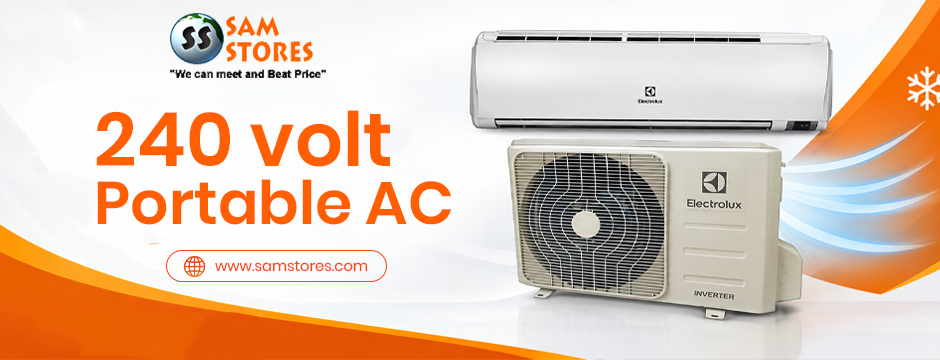
Portable models offer a different approach. A 240 volt portable AC can provide flexibility for situations where permanent installation is not practical. You can potentially move the appliance between suitable spaces, depending on the model and installation requirements.

How The Braun 220 Volt Hair Dryer Redefines Everyday Glamour_

That convenience comes with trade-offs. Portable units occupy floor space and require appropriate exhaust arrangements. Their mobility can be useful, but they may not provide the same integrated appearance as a through-wall system.

Homeowners should therefore consider how frequently they expect to move the equipment.

Could A Heat-and-Air Unit Offer More Year-Round Value?

Cooling is often the first concern during summer, but homeowners may also want equipment that provides heating during colder months. A 220 volt heat and air window unit can provide both functions in a suitable installation.

This can make a single appliance useful across different seasons. However, homeowners should compare heating capacity, energy requirements, room size recommendations, and operating features before deciding.

A heating-and-cooling model may be particularly useful in rooms that need temperature control throughout the year. The key is to consider your complete comfort requirements rather than purchasing equipment based solely on summer temperatures.

Choosing The Right Configuration Matters

Air conditioning is not simply about making a room colder. The equipment needs to fit the property, the electrical system, the room, and your lifestyle.

A slide-out chassis can be an appealing choice when you want permanent installation with practical access for servicing. It can also preserve valuable window space when installed through an appropriate wall.

For homeowners comparing different configurations, understanding these differences can make the purchasing process much easier. Sam Stores can be part of that decision-making process by helping customers explore equipment options based on their specific requirements.

Final Thoughts

A 220 volt 10000 BTU air conditioner with a slide-out chassis can offer an appealing combination of dependable cooling, permanent installation, and practical maintenance access. It may be particularly useful when homeowners want to preserve window space while creating a more integrated cooling setup.

Before buying, consider room size, electrical requirements, wall structure, maintenance access, and whether you need heating as well as cooling. The right system should fit your home rather than force your home to adapt around it.

With careful planning and the right equipment, cooling can become a comfortable, reliable part of your home’s everyday environment.

FAQs

1. What is a slide-out chassis air conditioner?

It features a removable internal chassis that can slide out from its cabinet, simplifying certain installation and maintenance requirements.

2. Is a 220 volt 10000 BTU air conditioner suitable for every room?

Not necessarily; room size, insulation, sunlight, ceiling height, and heat sources should all be considered before choosing capacity.

3. Can a slide-out chassis air conditioner be installed through a wall?

Yes, compatible models of 220 volt 10000 BTU air conditioners can be designed for through-wall installation, provided the sleeve and installation requirements are suitable.

4. Is a slide-out chassis better than a window air conditioner?

It can be preferable when preserving window space and having convenient service access are important priorities.

5. What should I check before installing a 220 volt air conditioner?

Confirm the electrical requirements, room capacity, installation dimensions, wall suitability, drainage needs, and manufacturer specifications.

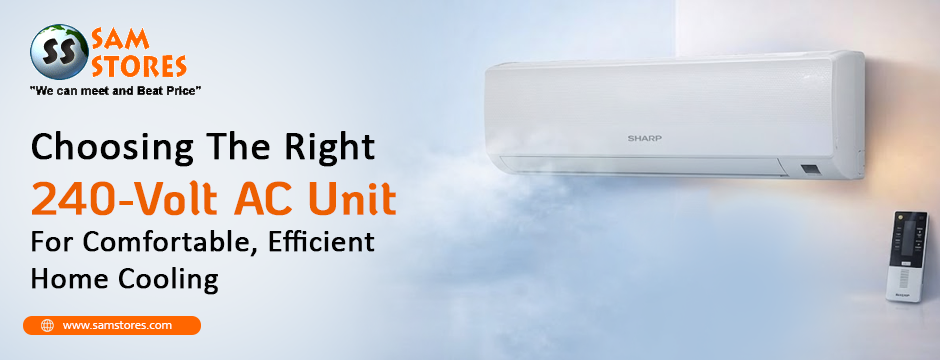
Choosing The Right 240-Volt AC Unit for Comfortable, Efficient Home Cooling

It usually starts with a simple problem. Summer arrives, the temperature climbs, and your existing air conditioner struggles to keep the room comfortable. You turn the thermostat down, wait, and hope for the best. Sometimes, though, the problem isn’t the temperature setting. Your air conditioner simply isn’t suited to the space.

That’s when choosing the right 240-volt AC unit can make a noticeable difference.

A higher-voltage air conditioning system can be a practical option for larger rooms, homes with demanding cooling requirements, and those that need dependable performance. However, buying one isn’t simply about choosing the biggest model available. Capacity, installation, electrical requirements, room size, energy use, and heating options all deserve consideration.

At Sam Stores, we understand that shopping for home appliances should feel straightforward. You want to know what you’re buying, why it suits your space, and what to expect once it’s installed.

So, before you make your decision, let’s look at what actually matters.

Why Voltage Matters When Choosing An Air Conditioner?

Voltage is one of those specifications most people notice but don’t always understand.

An air conditioner designed for a higher electrical voltage isn’t automatically more powerful than every lower-voltage model. Instead, voltage is part of the electrical system the appliance is designed to operate with.

A 240-volt system can be suitable for larger-capacity appliances that require substantial electrical power. Many homes already have 240-volt circuits for appliances such as electric ranges, dryers, and other high-demand equipment.

However, this doesn’t mean you should simply purchase a unit and plug it into an existing outlet.

Air conditioning installation can involve dedicated circuits, appropriate wiring, breakers, and professional installation. Always check the manufacturer’s electrical requirements and consult a qualified electrician when necessary.

Start With the Room, Not The Air Conditioner

Here’s where many shoppers make their first mistake.

They see a powerful air conditioner and assume bigger must be better.

It isn’t that simple.

The right cooling capacity depends on the room’s size and several other factors. Ceiling height, insulation, windows, sunlight exposure, occupancy, and local climate can all influence cooling requirements.

A unit that is too small may run continuously without adequately cooling the room. A unit that is too large may cool the space quickly but cycle on and off frequently, which can affect comfort and efficiency.

The goal is to find the right match. Before shopping, measure the room and consider how it is used. A bedroom, living room, garage, workshop, and open-plan area may all have very different cooling requirements.

When A 240 Volt AC Unit Makes Sense

A 240-volt AC unit can be an excellent option when you’re looking for substantial cooling performance and your home’s electrical setup supports the required installation. These systems can be particularly useful for larger spaces where compact room air conditioners may not provide enough capacity.

Think about a spacious living room that receives strong afternoon sunlight. Perhaps the room connects to another area, or it has high ceilings that allow warm air to accumulate.

In such situations, having an appropriately sized air conditioner can make the difference between constantly chasing the temperature and actually enjoying the room. However, capacity should always be matched to the space rather than selected purely because the voltage specification sounds more powerful.

Through-the-Wall Air Conditioners: A Practical Alternative

Not every home has the layout or budget for a central air conditioning system. That’s one reason wall-installed air conditioners remain popular.

A 220 volt through-the-wall air conditioner can provide dedicated cooling without requiring a traditional window installation. These systems are installed into a wall opening, creating a more permanent appearance than many window units.

They can work particularly well in rooms where window-mounted installation isn’t practical.

There is also an aesthetic advantage. Because the unit sits within the wall, it can leave the window unobstructed. This can be useful in rooms where natural light and window access are important.

Before installation, however, check wall dimensions, sleeve requirements, electrical specifications, and manufacturer instructions.

How The Braun 220 Volt Hair Dryer Redefines Everyday Glamour_

Air conditioning doesn’t have to be useful only during summer. If you live somewhere with changing seasons, a unit capable of both cooling and heating can provide additional value throughout the year.

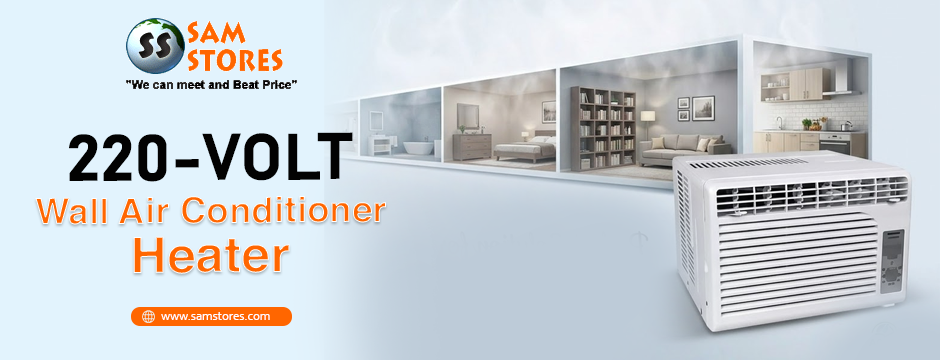
A 220 volt wall air conditioner heater combines cooling and heating functions in one appliance. Instead of purchasing separate equipment for different seasons, homeowners can use the same system to manage indoor temperatures throughout the year.

This can be particularly attractive for bedrooms, guest rooms, additions, apartments, workshops, and other spaces that need independent temperature control.

Before purchasing, check the heating method and the temperature range specified by the manufacturer. Not every heating-capable air conditioner is designed for the same outdoor conditions.

Think about Energy Efficiency Too

Running an air conditioner for hours every day can have a noticeable effect on household energy consumption. That’s why efficiency deserves attention before you buy.

Look at the manufacturer’s energy ratings and operating specifications rather than choosing solely by purchase price. A slightly more efficient appliance may cost more initially but potentially deliver better long-term value depending on usage and local electricity rates.

Also consider how you use the room.

Closing blinds during peak sunlight, improving insulation, sealing air leaks, and keeping doors closed while cooling can reduce the workload placed on the air conditioner. The most efficient appliance still has to work harder when the room constantly gains heat from outside.

Features Worth Considering

Modern air conditioners can include a wide range of convenience features. Depending on your priorities, useful options may include:

  • Adjustable temperature controls
  • Multiple fan speeds
  • Programmable timers
  • Remote controls
  • Digital displays
  • Washable filters
  • Energy-saving modes
  • Cooling and heating modes
  • Automatic temperature control

You don’t necessarily need every feature. Instead, focus on the functions you’ll actually use.

For example, a programmable timer can be valuable if you want the room cooled before bedtime. A remote control can make everyday adjustments easier. Washable filters of a 240-volt AC unit can simplify routine maintenance.

The best feature list is the one that makes your daily routine easier.

Maintenance Keeps Performance on Track

Even the best air conditioner needs regular care. Filters can collect dust over time, reducing airflow and making the system work harder. Exterior components can also accumulate dirt and debris depending on the installation environment.

Follow the manufacturer’s maintenance recommendations.

Clean or replace filters as instructed. Keep airflow paths clear and inspect the unit periodically for unusual noises, leaks, or changes in performance. If an air conditioner suddenly takes much longer to cool the room, don’t automatically turn the thermostat lower.

The problem could be a dirty filter, blocked airflow, installation issue, or another technical problem. Early attention can prevent small problems from becoming expensive repairs.

A little preparation makes online appliance shopping much less stressful.

A Simple Checklist Before You Buy

Before ordering your next air conditioner, take a moment to check these points:

  • Measure The room: Know the approximate space you need to cool.
  • Check Voltage: Confirm that the appliance matches your home’s electrical requirements.
  • Review Capacity: Choose cooling performance based on the room rather than appearance.
  • Check Installation: Understand whether professional electrical or wall installation is required.
  • Consider Heating: A heating function may provide additional year-round value.
  • Compare Efficiency: Look at energy ratings and expected usage.
  • Think about Noise: This matters particularly for bedrooms and workspaces.
  • Review Maintenance: Understand filter cleaning and routine care requirements.

This simple checklist can prevent many common purchasing mistakes.

Final Thoughts

Finding the right 240-volt AC unit isn’t about buying the biggest or most expensive appliance you can find. It’s about finding a system that matches your room, electrical setup, comfort expectations, and everyday routine.

Whether you’re considering a through-the-wall installation, a cooling-only model, or a unit that provides heating as well, take time to compare specifications before making your decision.

At Sam Stores, we believe better appliance shopping starts with better information. Once you understand your room, electrical requirements, installation needs, and desired features, choosing the right system becomes much easier.

The best air conditioner isn’t simply the one that makes a room cold. It’s the one that makes your home feel comfortable when you need it most.

FAQs

1. What is a 240-volt AC unit?

A 240-volt AC unit is an air conditioner designed to operate on a 240-volt electrical supply. The appropriate model depends on the home’s electrical system and the manufacturer’s requirements.

2. Is a 240-volt air conditioner suitable for a large room?

It can be suitable for larger spaces, depending on the unit’s cooling capacity. Room size, insulation, windows, ceiling height, and climate should also be considered.

3. What is a 220-volt through-the-wall air conditioner?

A 220-volt through-the-wall air conditioner is designed for permanent wall installation rather than conventional window mounting. It can provide an efficient solution where window installation isn’t suitable.

4. Can a wall air conditioner also provide heating?

Yes, some models combine cooling and heating functionality. A 220-volt wall air conditioner heater can provide temperature control across multiple seasons.

5. Do I need professional installation for a 240-volt AC unit?

Professional installation may be required, particularly when dedicated electrical circuits or wall modifications are involved. Always follow the manufacturer’s installation requirements and local electrical codes.

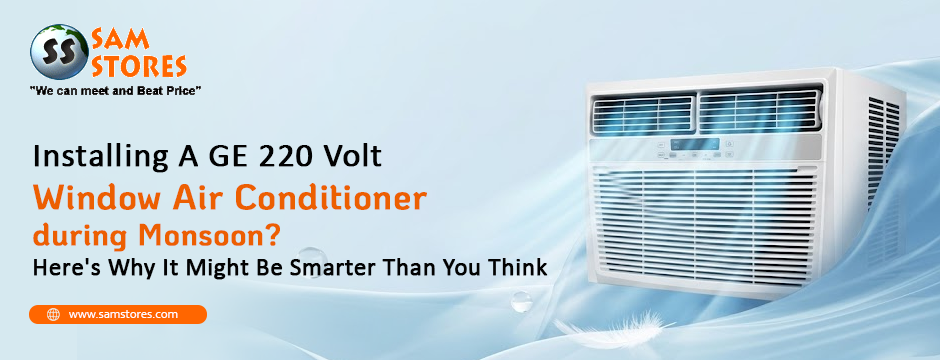
Installing A GE 220 Volt Window Air Conditioner during Monsoon? Here’s Why It Might Be Smarter Than You Think

The first heavy rain of the season arrives. Temperatures drop slightly, windows open again, and many homeowners quietly postpone their air conditioner purchase until next summer.

It sounds logical at first.

After all, why install an air conditioner when the weather feels cooler?

Interestingly, many experienced homeowners and HVAC professionals would argue the opposite. The monsoon season can actually be one of the smartest times to install a new air conditioning system, especially if you are planning to upgrade before the next summer rush arrives.

At Sam Stores, customers often discover that planning saves money, reduces installation hassles, and offers a wider choice of models and specifications. For homeowners considering a GE 220 volt window air conditioner, the rainy season may offer opportunities that simply do not exist during peak summer demand.

So, is monsoon really a good time to install an AC?

Let’s explore why the answer is often yes.

Why Do Most People Delay Their AC Purchase Until Summer?

Human behavior follows patterns. Most homeowners begin searching for air conditioners only when temperatures become unbearable.

By then, several problems start appearing simultaneously.

Installation companies become fully booked for weeks. Popular models disappear from inventory. Prices sometimes rise due to demand, and rushed decisions often lead to purchasing units that are not perfectly suited to the room or electrical setup.

Summer buying is reactive.

Monsoon buying is strategic.

The difference may seem small initially, but it can significantly affect long-term satisfaction with the purchase.

What Makes Monsoon Installation A Smart Decision?

Installing an air conditioner during the rainy season offers several practical advantages that buyers rarely consider. The first advantage is availability. During summer, retailers experience an enormous surge in demand. Popular products sell out quickly, especially premium models and specialized voltage configurations.

During monsoon months, inventory levels are often healthier, giving buyers more freedom to compare features, capacities, and energy ratings without pressure.

Installation scheduling also becomes easier. Technicians have more flexibility, allowing homeowners to select installation dates that fit their schedules rather than accepting the first available appointment weeks later.

Most importantly, monsoon installation gives homeowners enough time to test the system thoroughly before extreme summer temperatures arrive.

Why Window Air Conditioners Continue to Remain Popular?

Despite the growth of split systems, window air conditioners continue to attract homeowners for practical reasons.

They are compact, efficient, and easier to install compared to many alternatives. Maintenance is generally straightforward, and they often deliver excellent cooling performance for individual rooms.

For apartments, rental properties, home offices, and older homes, window units frequently remain the most practical solution.

Many consumers searching for the best 220 volt window air conditioner appreciate the balance between cooling capacity, energy efficiency, and installation simplicity. So, when paired with the correct electrical setup, these systems can provide reliable performance for years.

Why Voltage Requirements Matter More Than Many Buyers Realize

One of the most overlooked aspects of air conditioner purchasing involves voltage compatibility. Not every home is configured identically, and not every air conditioner operates on standard household circuits.

Larger window units often require dedicated 220-volt power connections to operate efficiently and safely. Attempting to install an incompatible unit can lead to performance issues or additional electrical work.

This is why many homeowners specifically search for a GE 220-volt window air conditioner that matches both room size and electrical infrastructure.

Making the right choice early prevents unnecessary complications later.

Can Humidity Make Air Conditioners Work Harder?

Many people associate air conditioners only with temperature reduction. In reality, humidity control plays an equally important role.

Monsoon weather often introduces excessive moisture into indoor spaces. Even when temperatures feel moderate, high humidity levels can make rooms uncomfortable, sticky, and difficult to sleep in.

A properly sized air conditioner removes excess moisture while maintaining comfortable temperatures. This improves indoor comfort considerably while reducing the likelihood of mold growth and damp odors.

For homeowners living in humid regions, installing an AC before humidity peaks can improve indoor living conditions almost immediately.

Is Monsoon Installation More Affordable?

Although promotions vary by retailer and manufacturer, off-season purchasing often creates better opportunities for buyers.

Lower demand can sometimes translate into:

  • Better inventory availability
  • More installation flexibility
  • Easier model comparisons
  • Potential promotional pricing
  • Reduced decision-making pressure

Buying during peak demand periods often forces consumers to compromise on features or settle for limited stock availability.

Planning purchases during quieter seasons allows for more informed decisions.

Choosing The Right Window Air Conditioner for Your Space

Selecting the right unit involves more than choosing a trusted brand. Several important factors should influence the decision.

  • Room size determines cooling requirements.
  • Energy efficiency ratings affect long-term operating costs.
  • Noise levels matter for bedrooms and offices. Electrical compatibility ensures safe installation.

Many homeowners evaluating a 220 volt window air conditioner focus exclusively on cooling capacity while overlooking these equally important considerations. A balanced evaluation almost always leads to better long-term satisfaction.

Should You Consider Heating Functions Too?

Modern air conditioning technology has evolved significantly. Some window units now provide both cooling and heating capabilities, making them useful throughout the year rather than only during summer.

This feature becomes particularly valuable in regions experiencing colder winters or fluctuating temperatures.

For buyers seeking versatility, a 220 volt heat and air window unit can offer year-round climate control while reducing the need for additional appliances. The convenience and efficiency benefits often justify the investment.

How The Braun 220 Volt Hair Dryer Redefines Everyday Glamour_

Why GE Window Air Conditioners Continue to Attract Buyers?

Certain brands build trust through decades of consistent performance.

GE remains one of those names.

Their window air conditioners are widely recognized for reliability, energy efficiency, and user-friendly features. Many models also offer advanced controls, programmable settings, and improved airflow management.

These characteristics make the GE 220 volt window air conditioner a popular consideration among homeowners looking for dependable long-term performance. Rather than chasing short-term trends, many buyers prefer investing in products with established reputations.

A Good Time to Think Beyond Summer

Air conditioners are often viewed as seasonal purchases. However, homeowners who approach them as long-term home investments usually make better decisions.

The goal is not simply surviving summer.

The goal is creating a comfortable indoor environment throughout the year while avoiding rushed purchases and installation delays.

This mindset often changes the timing of the purchase completely. Instead of buying when everyone else is buying, strategic homeowners prepare in advance.

How Sam Stores Helps Buyers Make Better Decisions?

Choosing an air conditioner involves balancing cooling needs, room dimensions, electrical compatibility, and budget considerations.

At Sam Stores, customers gain access to a broad range of products designed for different spaces and requirements. Whether someone needs a compact unit for an apartment or a higher-capacity model for larger rooms, having multiple options simplifies the decision-making process.

More importantly, expert guidance helps customers choose products that fit their homes rather than simply following trends or promotions.

That difference often leads to higher satisfaction after installation.

End Note

Monsoon may not seem like the obvious season for purchasing an air conditioner, but it often proves to be one of the smartest times to do so. Reduced demand, greater product availability, easier scheduling, and better planning opportunities all work in the buyer’s favor.

For homeowners considering a GE 220-volt window air conditioner, waiting until temperatures soar may actually reduce options and increase stress. Therefore, planning ahead allows buyers to make informed decisions, prepare their homes properly, and enjoy reliable comfort when summer inevitably returns.

Sometimes the best time to install an AC is not when you desperately need it. It is when you have the freedom to choose wisely.

FAQs

1. Is monsoon a good time to install a window air conditioner?

Yes. Monsoon is often one of the best times to install an AC because demand is lower, installation appointments are easier to schedule, and buyers usually have access to a wider range of models and configurations.

2. Why should I choose a GE 220 volt window air conditioner instead of waiting until summer?

Purchasing during monsoon helps avoid seasonal shortages and installation delays. GE 220-volt window air conditioner also gives homeowners enough time to test and optimize their cooling setup before peak summer temperatures arrive.

3. What are the advantages of a 220-volt heat and air window unit?

A unit with both heating and cooling functions offers year-round comfort. It eliminates the need for separate heating appliances during colder months while maintaining efficient cooling during summer.

4. How do I know if my home supports a 220-volt window air conditioner?

You should check your home’s electrical setup or consult an electrician. Larger window AC units often require dedicated 220-volt circuits for safe and efficient operation.

5. What should I consider before buying the best 220-voltwindow air conditioner?

Room size, energy efficiency, noise levels, cooling capacity, and electrical compatibility are the most important factors to evaluate before making a purchase decision.

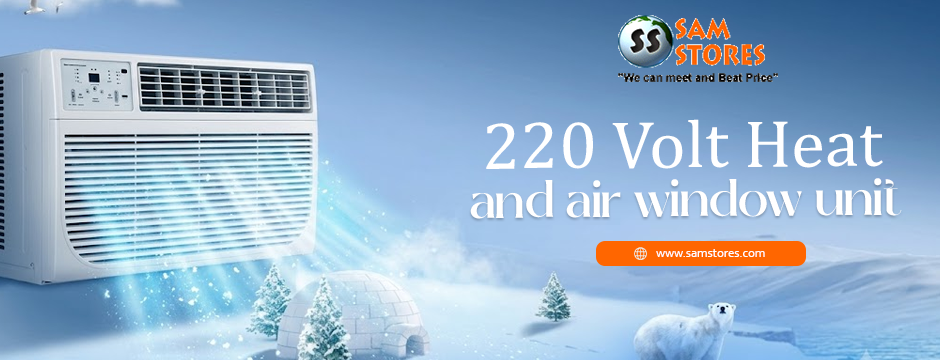
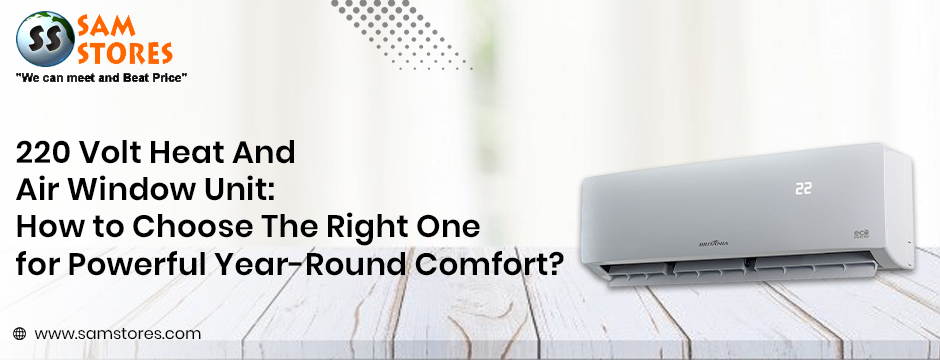
220 Volt Heat And Air Window Unit: How to Choose The Right One for Powerful Year-Round Comfort?

A few summers ago, a homeowner upgraded to a larger living space, expecting more comfort and freedom. However, something unexpected happened. The existing cooling system struggled to keep the room comfortable. Summers felt warmer, winters felt colder, and energy bills started climbing.

This situation is more common than many people realize. Larger rooms, garages, apartments, workshops, and commercial spaces often require more power than standard air conditioners can deliver. That is where a 220-volt heat and air window unit becomes a practical solution.

Instead of installing expensive central HVAC systems, many homeowners prefer powerful window units that both cool and heat effectively. However, choosing the right model requires understanding room size, energy needs, and essential features.

This guide explains everything buyers should know before investing in a high-performance unit that keeps spaces comfortable throughout the year.

Why Are More People Choosing 220 Volt Window Units?

Not every room responds well to standard cooling systems. Some spaces require stronger airflow and better temperature control.

Traditional 110V air conditioners often struggle in:

  • Large bedrooms
  • Open living areas
  • Workshops and garages
  • Offices and retail spaces
  • Apartments with poor airflow

A 220-volt heat and air window unit delivers greater cooling and heating power, making it ideal for demanding environments.

Unlike smaller systems, these units are designed to handle larger square footage while maintaining consistent temperatures.

What Makes A 220 Volt Unit Different?

The biggest difference lies in power capacity.

A 220V system typically provides higher BTU output compared to standard units. This means better performance in larger spaces without overworking the system.

For many households, a 220-volt air conditioner with heat eliminates the need for separate heating devices during colder months. Instead of purchasing additional equipment, one unit handles both cooling and warmth.

This dual functionality often makes them more cost-effective over time.

Is A 220 Volt Window AC Right for Your Space?

Imagine entering a room during peak summer heat and instantly feeling relief. Now imagine that same room staying comfortably warm during winter.

That level of consistency matters, especially in spaces where people spend long hours.

A 220-volt window AC may be the right choice if:

How The Braun 220 Volt Hair Dryer Redefines Everyday Glamour_

Your Room Is Larger Than Average

Large rooms require stronger airflow and better temperature distribution. Smaller AC units often cycle continuously, increasing electricity consumption while still failing to cool properly.

You Need Heating & Cooling Together

Seasonal temperature changes create challenges. Buying separate systems increases both upfront costs and maintenance. A 220-volt air conditioner window unit provides year-round functionality in one compact system.

You Want Better Energy Efficiency

Although more powerful, many modern units are designed to optimize electricity usage. Energy-saving settings, programmable thermostats, and smart controls help reduce operating costs.

How to Choose The Right 220 Volt Heat And Air Window Unit?

Choosing an air conditioning system should never feel rushed. The right investment improves comfort for years.

Here are the most important factors to consider.

1. Match the BTU to Your Room Size

BTU capacity determines how effectively the unit heats and cools.

A small room does not require the same output as a workshop or living area.

General recommendations include:

  • 350–550 sq. ft.: 12,000–14,000 BTU
  • 550–1,000 sq. ft.: 18,000–24,000 BTU
  • Larger commercial areas: 24,000+ BTU

Choosing the wrong size reduces efficiency and increases wear.

2. Prioritize Heating Performance

Many buyers focus only on cooling. However, heating performance matters equally.

A reliable 220-volt heat and air window unit should provide consistent warmth during colder months without excessive energy consumption.

Look for models with:

  • Supplemental heating mode
  • Adjustable thermostats
  • Multiple fan speeds
  • Auto temperature controls

These features improve comfort and efficiency.

3. Check Energy Efficiency Ratings

Nobody wants an uncomfortable electricity bill. Modern systems often include energy-saving modes that maintain temperature while reducing power consumption.

Features worth considering include:

  • Energy Saver Mode
  • Sleep Mode
  • Programmable Timers
  • Smart Temperature Sensors

These additions improve convenience while controlling monthly costs.

4. Consider Installation Requirements

Before purchasing, verify electrical compatibility. Since these systems require higher voltage, proper outlets are essential. A licensed technician may be needed in some situations.

Checking installation requirements early prevents costly surprises later.

Common Buying Mistakes to Avoid

Many buyers regret purchases because they overlook essential factors.

Here are some common mistakes:

Choosing Based on Price Alone

Lower-priced systems may lack durability or heating efficiency. A slightly higher investment often delivers better long-term value.

Ignoring Room Size

Oversized units cycle too quickly. Undersized units struggle continuously. Both situations reduce efficiency and comfort.

Forgetting Noise Levels

Bedrooms, offices, and study areas benefit from quieter operation. So, look for units designed with low-noise functionality.

Overlooking Smart Features

Wi-Fi controls, digital thermostats, and remote operation simplify daily use. These features often make comfort management much easier.

Why Year-Round Comfort Is Important?

Modern homes are no longer used only for relaxing. Many people now work remotely, run businesses, or spend more time indoors.

Comfort directly affects productivity, sleep quality, and daily well-being.

Imagine trying to focus in a hot office during summer or waking up cold during winter. Small discomforts eventually become major frustrations. A properly selected 220-volt heat and air window unit solves these challenges while maintaining reliable indoor comfort throughout the year.

Why Many Buyers Trust Sam Stores?

When purchasing home appliances online, buyers often want reliability as much as performance.

Sam Stores has built a reputation for offering quality appliances suited for modern homes and workspaces. Customers looking for durable climate control solutions often prefer retailers that provide dependable products, variety, and expert guidance.

Whether upgrading an existing setup or choosing a first system, finding the right unit becomes easier with access to trusted options and practical support.

How to Maintain Your Window Unit for Better Performance?

Even premium systems require proper maintenance. Simple care habits improve efficiency and extend lifespan.

Clean Filters Regularly

Dust buildup affects airflow and performance. Monthly cleaning helps maintain consistent heating and cooling.

Inspect the Exterior Unit

Outdoor exposure may collect debris over time. Keeping vents clear improves efficiency.

Check Temperature Settings

Constantly adjusting temperatures increases system strain. Maintaining stable settings often improves energy savings.

Schedule Seasonal Maintenance

Occasional professional servicing helps identify issues before they become expensive problems. Preventive care keeps systems running smoothly for years.

End Note

Choosing the right cooling and heating system is about more than convenience. It directly affects comfort, energy costs, and daily living quality.

A well-selected 220-volt heat and air window unit provides powerful performance for larger spaces while eliminating the need for separate seasonal appliances. By understanding room size, efficiency, and essential features, buyers can make smarter long-term decisions.

Whether cooling during summer or staying warm in winter, investing in the right system ensures consistent comfort. With trusted appliance options available through Sam Stores, finding dependable climate solutions becomes a much easier experience.

Frequently Asked Questions

What is a 220-volt heat and air window unit used for?

It is designed to cool and heat larger spaces efficiently using a higher-voltage power source.

Is a 220-volt air conditioner with heat better for large rooms?

Yes. These units generally offer higher BTU capacity, making them more effective in larger areas.

Can a 220-volt air conditioner window unit replace central heating?

In some spaces, yes. A 220-volt air conditioner window unit can effectively heat and cool individual rooms without a central HVAC.

Does a 220-volt window AC consume more electricity?

It uses more power but often cools and heats faster, which can improve overall efficiency.

How long does a 220V window unit usually last?

With proper maintenance, many units perform efficiently for 10–15 years.

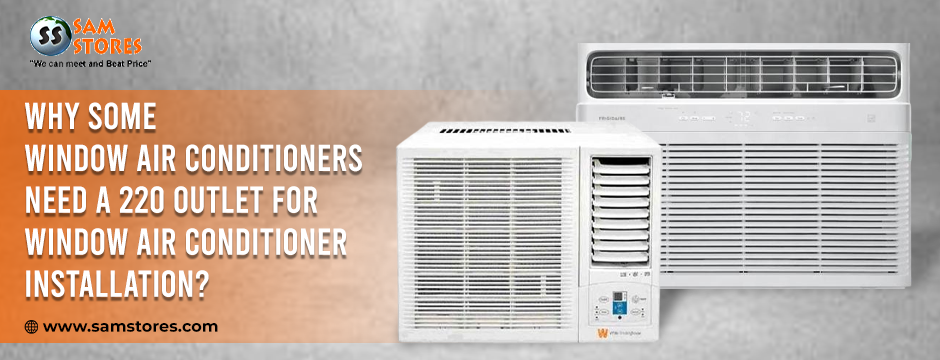
Why Some Window Air Conditioners Need A 220 Outlet for Window Air Conditioner Installation?

A homeowner finally purchases a powerful window air conditioner after weeks of comparing features, cooling capacity, and energy ratings. Everything seems ready for installation until an unexpected issue appears—the unit requires a different electrical outlet.

This situation is more common than many people realize. Many homeowners assume all window air conditioners use standard household plugs. However, larger cooling units often require a 220 outlet for window air conditioner installation to operate safely and efficiently.

Understanding why certain air conditioners need special outlets can prevent installation delays, electrical problems, and unnecessary expenses. This guide explains how these systems work, when special outlets become necessary, and what homeowners should know before purchasing a unit.

Why Don’t All Window Air Conditioners Use Standard Outlets?

Most small appliances operate on standard 110-120 volt household outlets. Smaller window air conditioners also follow this setup because they consume less power.

However, larger air conditioning systems require significantly more electricity to cool bigger spaces effectively. Standard outlets cannot safely handle this increased electrical demand.

That is why high-capacity units often rely on a 220-volt outlet air conditioner setup. These outlets provide higher voltage, allowing the system to operate more efficiently without overloading household circuits.

What Is A 220-Volt Outlet?

A 220-volt outlet delivers more electrical power than standard outlets. It is commonly used for appliances requiring high energy consumption.

Examples include:

  • Electric dryers
  • Ovens
  • Water heaters
  • Large air conditioners

Unlike regular outlets, 220-volt outlets are designed to support heavy electrical loads safely.

For homeowners installing powerful cooling systems, this setup becomes essential for stable performance and long-term safety.

How Does Voltage Affect Air Conditioner Performance?

Voltage directly impacts how efficiently an air conditioner operates. Larger units require more power to run compressors, fans, and cooling components.

A standard outlet may struggle to support these demands, leading to:

  • Frequent breaker trips
  • Reduced cooling efficiency
  • Overheating wires
  • Potential electrical hazards

A 220 outlet for window air conditioner installation ensures the unit receives the power it needs without stressing the electrical system.

Which Window Air Conditioners Usually Need A 220-Volt Outlet?

Not every window AC requires special wiring. The need depends primarily on cooling capacity and energy demand.

Smaller Units

Units designed for compact rooms usually operate on standard outlets. These models typically range between 5,000 and 12,000 BTUs.

Larger Cooling Systems

Air conditioners with higher BTU ratings often require a 220-volt setup.

For example:

  • Larger living room units
  • Multi-room cooling systems
  • Heavy-duty cooling appliances

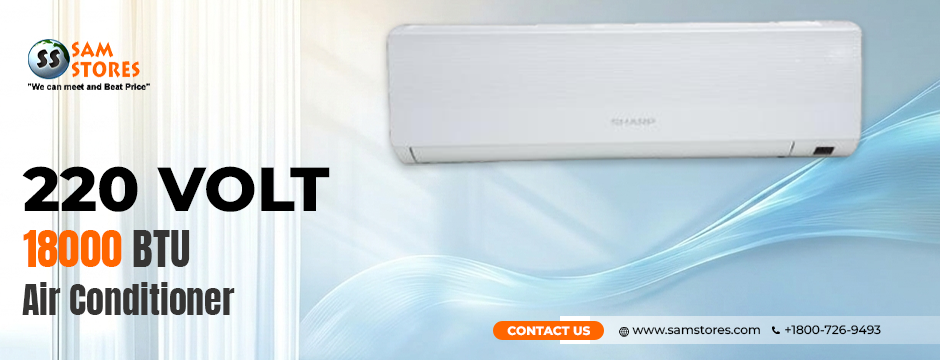
A 220-volt 18000 BTU air conditioner commonly falls into this category because it requires more electrical power for effective cooling.

Why Do Powerful Air Conditioners Require More Electricity?

Cooling larger spaces demands stronger compressors and motors. These components consume substantial electricity during operation.

Higher voltage allows the system to transfer power more efficiently while reducing strain on electrical wiring.

This setup offers several advantages:

  • Better cooling performance
  • Reduced energy loss
  • Improved operational stability
  • Lower risk of overheating

For homeowners investing in larger systems, a dedicated outlet becomes a practical necessity rather than an optional feature.

Signs Your Air Conditioner May Need A Special Outlet

Many homeowners discover electrical requirements only after purchasing a unit. Fortunately, several indicators can help identify this earlier.

High BTU Ratings

Units above 15,000 BTUs often require 220-volt outlets.

Large Plug Configuration

If the plug appears different from standard appliances, it likely requires specialized electrical support.

Manufacturer Specifications

Product manuals clearly state voltage requirements. Checking specifications before purchase helps avoid installation issues.

Dedicated Circuit Recommendations

Many manufacturers recommend dedicated circuits for larger systems to improve safety and efficiency.

What Happens If You Use The Wrong Outlet?

Using an incompatible outlet can create serious problems.

  • Circuit Breaker Trips

The system may repeatedly overload the circuit, causing breakers to shut off power.

  • Electrical Damage

Improper voltage can damage internal air conditioner components over time.

  • Fire Hazards

Overloaded wiring increases the risk of overheating and electrical fires.

  • Reduced Cooling Efficiency

The air conditioner may struggle to operate properly, reducing overall performance.

Installing a proper 220 outlet for window air conditioner systems helps prevent these risks while ensuring stable operation.

Do You Need An Electrician for Installation?

In most cases, yes. Installing a 220-volt outlet involves electrical work that should be handled professionally.

Licensed electricians ensure:

  • Proper wiring installation
  • Safe circuit capacity
  • Compliance with electrical codes
  • Reduced safety risks

Attempting DIY electrical modifications without expertise can be dangerous and costly.

Understanding Amperage in Air Conditioners

Voltage is not the only factor homeowners should consider. Amperage also plays a critical role.

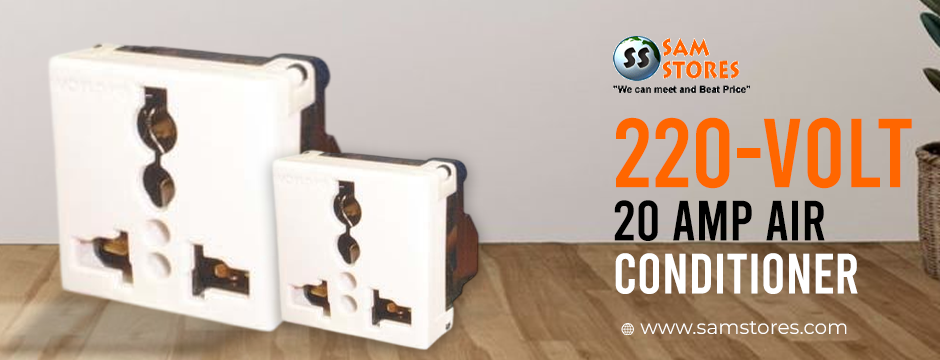
Some larger systems, including a 220-volt 20 Amp air conditioner, require circuits designed to handle higher electrical current safely.

If the circuit cannot support the required amperage, performance issues and safety risks may occur.

This is why professional evaluation before installation is strongly recommended.

How The Braun 220 Volt Hair Dryer Redefines Everyday Glamour_

How to Prepare Your Home for A 220-Volt Air Conditioner?

Proper preparation simplifies installation and improves long-term performance.

Check Existing Electrical Setup

Some homes already include 220-volt outlets for appliances like dryers. However, compatibility still requires professional verification.

Review Product Specifications

Always confirm voltage and amperage requirements before purchasing an air conditioner.

Plan Outlet Placement

Proper outlet placement improves installation convenience and reduces extension cord usage.

Hire Qualified Professionals

Professional installation ensures compliance with safety standards and protects your investment.

Energy Efficiency Benefits of 220-Volt Air Conditioners

Many homeowners assume higher voltage automatically means higher electricity bills. However, this is not always true.

A properly installed 220-volt outlet air conditioner often operates more efficiently than overloaded lower-voltage systems.

Benefits may include:

  • Faster cooling performance
  • Reduced strain on components
  • More stable energy consumption
  • Improved lifespan of the appliance

Efficiency depends on selecting the right unit for the space rather than simply choosing the most powerful option.

Choosing The Right Window Air Conditioner for Your Home

Selecting the right unit requires balancing room size, cooling needs, and electrical compatibility.

  • Consider Room Size

Larger spaces require higher BTU ratings for effective cooling.

  • Evaluate Electrical Capacity

Ensure the home’s electrical system can support the unit safely.

  • Prioritize Energy Efficiency

Modern systems with energy-saving features reduce long-term operating costs.

  • Buy from Reliable Retailers

Trusted sellers provide accurate product information and reliable customer support.

At Sam Stores, homeowners can explore a wide range of electronic appliances designed to match different household requirements and budgets.

Common Misconceptions about 220-Volt Air Conditioners

“They Always Use More Electricity”

Higher voltage does not automatically mean excessive energy consumption. Efficient systems often perform better while using energy more effectively.

“Only Commercial Buildings Need Them”

Many residential properties use 220-volt systems for larger appliances, including air conditioners.

“Installation Is Extremely Complicated”

Professional electricians can typically complete installations efficiently when the home’s electrical system supports it.

Should You Upgrade to A Larger Window AC?

If smaller units struggle to cool the space effectively, upgrading may improve comfort and efficiency.

Signs an upgrade may help include:

  • Uneven room temperatures
  • Constant AC operation without sufficient cooling
  • Increased humidity indoors
  • Rising energy bills despite poor performance

In many cases, larger systems paired with proper electrical setups deliver better long-term value.

End Note

Understanding electrical requirements before purchasing an air conditioner helps homeowners avoid unnecessary complications. Larger systems often need a 220 outlet for window air conditioner installation because they require greater electrical capacity for safe and efficient operation.

From cooling performance to long-term safety, the right electrical setup makes a significant difference. Choosing compatible systems and professional installation protects both the appliance and the home.

For homeowners planning an upgrade, exploring reliable, high-performance options through Sam Stores can make the buying process smoother, safer, and more informed.

FAQs

Why does my window air conditioner need a 220-volt outlet?

Larger air conditioners require more electrical power for efficient operation. A 220 outlet for a window air conditioner safely supports this demand.

Can I plug a 220-volt air conditioner into a regular outlet?

No. Using the wrong outlet can damage the unit and create electrical safety hazards.

Does a 220-volt air conditioner cool better?

Higher-voltage systems often support larger cooling capacities, making them more effective for bigger spaces.

What size air conditioner usually needs a 220 outlet?

Units above 15,000 BTUs commonly require 220-volt outlets, including many 220-volt 18000 BTU air conditioner models.

Is professional installation necessary?

Yes. Licensed electricians ensure safe installation and compliance with electrical regulations.

Benefits of Choosing a 220 volt 12000 btu window air conditioner for Your Home

Choosing the right air conditioner for your home is an important decision, especially in regions where summers are long, hot, and humid. Cooling needs vary based on room size, electrical infrastructure, energy consumption, and installation preferences. Among the many options available, a 220 volt 12000 btu window air conditioner stands out as a balanced solution that combines effective cooling, efficient power usage, and practical design for residential spaces.

This type of air conditioner is particularly suitable for homeowners who want dependable cooling without investing in complex systems. Understanding its benefits can help you decide whether it is the right fit for your living space.

Ideal Cooling Capacity for Medium-Sized Rooms

Cooling capacity is measured in British Thermal Units (BTUs), and selecting the right BTU rating is essential for comfort and efficiency. A 12,000 BTU air conditioner is generally designed to cool medium-sized rooms, typically ranging between 450 and 550 square feet, depending on factors such as ceiling height, insulation quality, sunlight exposure, and the number of occupants.

A 220 volt 12000 btu window air conditioner offers sufficient power to cool bedrooms, living rooms, home offices, and small open-plan areas evenly. It prevents common issues associated with undersized units, such as constant running without adequate cooling, while also avoiding the inefficiency of oversized systems that cool too quickly without properly dehumidifying the space.

Better Power Handling with 220 Volt Operation

One of the major advantages of 220-volt air conditioners is their ability to handle higher electrical loads more efficiently. Compared to lower-voltage systems, 220-volt units draw less current for the same amount of cooling output. This can result in smoother operation and reduced strain on electrical components.

Homes equipped with 220–240V power supply are well-suited for this type of system. A 220 volt 12000 btu window air conditioner is designed to operate reliably under such conditions, making it a strong choice for regions where higher-voltage electrical standards are common. The result is consistent cooling performance, even during peak summer temperatures.

Energy Efficiency and Reduced Power Loss

Energy efficiency is a top concern for homeowners who want to stay comfortable without driving up electricity bills. Window air conditioners with higher voltage operation often experience lower power losses during transmission, which contributes to improved overall efficiency.

When properly sized and installed, a 220 volt 12000 btu window air conditioner can provide effective cooling while maintaining reasonable energy consumption. Many modern units are engineered to balance performance with efficiency, helping reduce unnecessary energy waste. This makes them suitable for daily use during extended hot periods without excessive operating costs.

Simple Installation and Space-Saving Design

Unlike split or central air conditioning systems, window air conditioners are known for their straightforward installation. They are designed to fit into standard window openings or wall sleeves, eliminating the need for extensive structural changes.

A 220 volt 12000 btu window air conditioner combines cooling power with a compact, all-in-one design. It does not require separate indoor and outdoor units, refrigerant piping, or complex wiring layouts. This simplicity makes it appealing to homeowners who want an effective cooling solution with minimal installation time and effort.

Additionally, window units help save valuable indoor space since most of the system remains outside the room. This makes them especially useful in apartments or homes where space efficiency is important.

Effective Dehumidification for Improved Comfort

Cooling alone is not enough to create a comfortable indoor environment. High humidity levels can make a room feel warmer than it actually is and can contribute to discomfort, mold growth, and poor air quality.

A properly designed 220 volt 12000 btu window air conditioner helps remove excess moisture from the air while cooling the room. This dehumidification process improves overall comfort, making the space feel cooler and fresher. It also supports healthier indoor conditions by reducing dampness that can affect walls, furniture, and fabrics.

Low Maintenance and Easy Operation

Another benefit of window air conditioners is their relatively low maintenance requirements. Routine tasks such as cleaning or replacing filters, checking vents, and ensuring proper airflow can usually be done without professional assistance.

With a 220 volt 12000 btu window air conditioner, homeowners can enjoy reliable performance without complex upkeep. Most units are designed with user-friendly controls and accessible components, making them easy to operate and maintain throughout the cooling season.

Regular maintenance not only extends the lifespan of the unit but also ensures consistent cooling performance and better energy efficiency over time.

Cost-Effective Cooling Solution

How The Braun 220 Volt Hair Dryer Redefines Everyday Glamour_

A 220 volt 10000 btu window air conditioner offers an excellent balance between price and performance. It delivers targeted cooling for specific areas of the home, allowing homeowners to cool only the rooms they use most often. This focused approach can be more economical than running a whole-house cooling system, especially in smaller homes or apartments.

Reliable Performance in Hot Climates

In areas where temperatures remain high for extended periods, reliability becomes a critical factor. Window air conditioners built for higher voltage operation are often designed to withstand demanding conditions and prolonged use.

By choosing a unit with the appropriate voltage and BTU rating, homeowners can ensure stable operation during extreme heat. This reliability provides peace of mind, knowing that the cooling system can maintain indoor comfort even when outdoor temperatures rise significantly.

Why Sam Stores Is Your Trusted Destination for 220 Volt Appliances

Sam Stores has been serving customers with a wide range of dependable 220–240 volt appliances tailored for international use and specific voltage requirements. We specialize in offering quality solutions across large appliances, home comfort products, and cooling systems, including options like the 220 volt 12000 btu air conditioner for targeted room cooling. Our focus is on helping customers make informed decisions through clear product details, practical buying guides, and competitive pricing. With us, shoppers can compare models easily, find the right fit for their needs, and enjoy a smooth purchasing experience. We are committed to reliability, secure ordering, and customer satisfaction.

Conclusion

Selecting the right air conditioner involves balancing cooling capacity, energy efficiency, ease of installation, and long-term usability. A 220 volt 12000 btu window air conditioner meets these requirements by offering effective cooling for medium-sized spaces, efficient power usage, and a practical, space-saving design.

Its ability to deliver consistent comfort, manage humidity, and operate reliably makes it a strong option for homeowners seeking a dependable cooling solution. By understanding these benefits, you can make a more informed decision and enjoy a cooler, more comfortable living environment during the hottest months of the year.

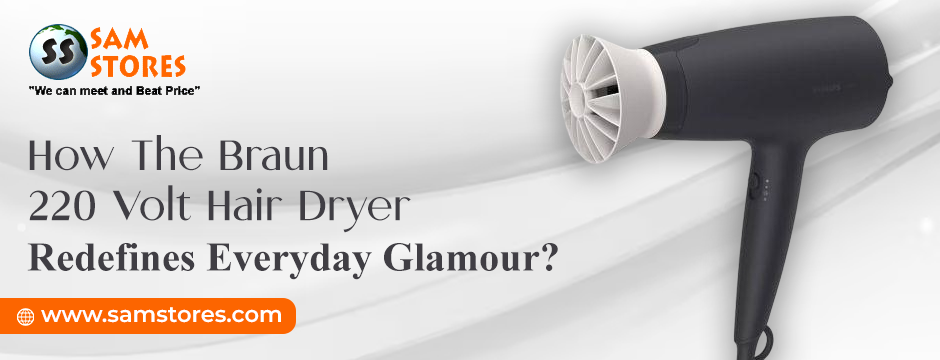
How The Braun 220 Volt Hair Dryer Redefines Everyday Glamour?

Salon-perfect hair has always felt like a luxury reserved for special occasions. Between busy schedules, rising salon costs, and constant heat exposure, maintaining professional styles daily often feels unrealistic. Many women settle for quick fixes that compromise hair health or styling flexibility. However, beauty routines are evolving, and home styling is now redefining modern glamour.

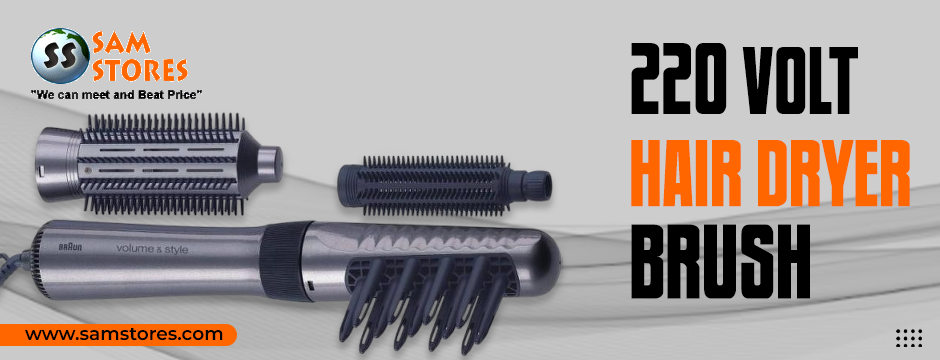
The Braun Satin Hair 3 Airstyler bridges the gap between professional results and everyday convenience. This 220 Volt hair dryer is designed for women who enjoy changing their look without damaging their hair.

This styling tool, available at Sam Stores, delivers salon-quality finishes while remaining gentle and intuitive. With thoughtful engineering and hair-friendly technology, it transforms daily hairstyling into a smooth, enjoyable ritual.

How The Braun 220 Volt Hair Dryer Redefines Everyday Glamour_

Why Salon-Quality Styling at Home Matters Today?

Modern lifestyles demand beauty solutions that are efficient yet indulgent. Women want tools that adapt to their pace without compromising hair health. At-home styling has shifted from being a backup option to becoming a confident beauty choice.

Professional looks at home offer several long-term benefits. They reduce dependency on salon heat treatments and allow more creative freedom. Most importantly, they support healthier hair through controlled, consistent styling.

The Braun Satin Hair 3 Airstyler fits perfectly into this mindset. It empowers users to create polished styles while protecting natural shine and texture.

Introducing The Braun Satin Hair 3 Airstyler

The Braun Satin Hair 3 Airstyler is crafted to dry and style hair simultaneously. This dual functionality minimizes excessive heat exposure while speeding up daily routines. Instead of harsh blasts of heat, it uses gentle airflow combined with even temperature distribution.

This 220 Volt hair dryer is especially suited for women who value versatility.

So, whether the goal is smooth volume, soft curls, or a natural blowout, the device adapts easily. Each feature is designed with hair safety and styling comfort in mind.

Ceramic Technology That Protects And Enhances Shine

100% Ceramic Coating for Even Heat Distribution

Hair damage often occurs due to uneven heat exposure. The Braun Satin Hair 3 Airstyler addresses this with a 100% ceramic-coated styling barrel. This coating ensures heat spreads evenly across the surface, preventing hot spots that cause dryness and breakage.

Ceramic technology also helps seal the hair cuticle. As a result, hair looks smoother, shinier, and healthier after every styling session. This makes daily use safer, even for fine or chemically treated hair.

Gentle Heat for Long-Term Hair Health

Unlike traditional styling tools that rely on intense heat, this airstyler prioritizes controlled warmth. The gentle heat approach reduces moisture loss, helping hair retain its natural softness. Over time, this contributes to stronger, more resilient strands.

Effortless Styling with Smart Design Features

Automated Curl Release for Tangle-Free Styling

Tangled hair is a common frustration during at-home styling. The Braun Satin Hair 3 Airstyler includes an automated roll-out function that releases hair smoothly after styling. This feature prevents snagging, pulling, and unnecessary breakage.

The result feels intuitive and stress-free, even for beginners. With our 220 Volt hair dryer, styling becomes quicker, smoother, and far more enjoyable.

Specifically Designed Styling Attachments

The airstyler comes with carefully engineered attachments that distribute heat evenly. Each attachment serves a distinct styling purpose, allowing users to switch looks effortlessly without switching tools.

Available attachments include:

  • Small round brush (18mm) for defined curls and shorter hair
  • Big round brush (36mm) for volume and soft blowouts
  • Volume finger for added lift at the roots

These attachments support precision styling while maintaining consistent airflow.

Versatility That Matches Every Mood And Occasion

One of the standout qualities of the Braun Satin Hair 3 Airstyler is its adaptability. Whether preparing for work, a casual outing, or a special event, it offers reliable styling flexibility.

Two Temperature & Airflow Settings

Different hair types require different heat levels. The airstyler includes two temperature and airflow settings, allowing customization based on hair texture and desired style. This ensures effective styling without unnecessary heat stress.

Fine hair benefits from lower settings, while thicker hair achieves smooth results with increased airflow.

Lightweight Design with Comfortable Handling

The ergonomic design makes styling sessions comfortable, even when creating detailed looks. A two-meter cable provides freedom of movement, making it easy to style from any angle.

At 400 watts, the airstyler balances power and efficiency. It delivers reliable performance without overwhelming heat output.

Creating Professional Looks without Salon Visits

Smooth Blowouts at Home

Achieving a salon-style blowout often feels challenging at home. With the Braun Satin Hair 3 Airstyler, smooth volume becomes accessible. The big round 220 Volt hair dryer brush lifts roots while smoothing lengths, creating a polished finish that lasts.

The gentle airflow prevents frizz while enhancing natural movement.

Soft Curls & Natural Waves

Defined curls do not require curling irons anymore. The small round brush allows controlled curling without excessive heat. The automated curl release ensures each curl forms cleanly and releases smoothly.

So, such an approach creates soft, touchable curls that feel natural rather than overstyled.

Everyday Volume That Looks Effortless

Flat hair can affect overall confidence. The volume finger attachment targets roots directly, adding lift without stiffness. Hence, it creates a fuller appearance that looks light and natural throughout the day.

A Styling Tool That Feels Luxurious yet Practical

Luxury in beauty tools is no longer about complexity. It is about thoughtful design, ease of use, and reliable results. The Braun Satin Hair 3 Airstyler reflects this modern definition of luxury.

Its ceramic coating, intelligent airflow, and tangle-free operation elevate everyday styling. At the same time, its simplicity ensures anyone can use it confidently.

This balance makes it ideal for women who want consistent results without professional assistance.

Ideal for Gifting across Borders

The Braun Satin Hair 3 Airstyler also makes a thoughtful gift choice. With its universal appeal and practical luxury, it suits women of different ages and hair types. Its 220–240 volt compatibility makes it especially convenient for gifting to family and friends overseas.

Gifting a styling tool that prioritizes hair health adds long-term value beyond aesthetics.

Built on Trust, Expertise, And Proven Design

Braun has a long-standing reputation for quality engineering and user-focused innovation. The Satin Hair 3 Airstyler reflects this legacy through its durable build and hair-safe technology.

From ceramic heat distribution to ergonomic handling, each feature supports reliable performance. Users are not just purchasing a styling tool. They are investing in healthier hair routines backed by thoughtful design.

End Note

Everyday glamour should feel effortless, not exhausting. The Braun Satin Hair 3 Airstyler makes professional styling achievable without stepping into a salon. It respects hair health while encouraging creativity and confidence.

For women who love switching styles without sacrificing shine, this 220 Volt hair dryer offers a smart solution. It proves that salon-quality hair can start at home, every single day. With gentle heat, versatile attachments, and intuitive features, it transforms daily routines into moments of self-care. That is the true essence of modern beauty. So, if you want to purchase such a useful hairdryer for yourself, visit Sam Stores today

Why Choosing a Reputable Brand 220 Volt Air Conditioner Matters

When it comes to cooling your home or office, investing in a high-quality 220 volt air conditioner is more than just a comfort decision. It is an investment in efficiency, durability, and long-term savings. With the summer months becoming increasingly intense, the need for reliable cooling solutions is essential. While the market is flooded with a variety of air conditioners, not all products deliver the same level of performance, reliability, or safety. This is why selecting a reputable brand for your 220 volt air conditioner and heater is crucial.

Reliable Performance and Cooling Efficiency

The primary reason to choose a trusted brand is the assurance of consistent performance. A reputable 220 volt wall air conditioner or portable unit is designed and tested to operate efficiently under standard electrical conditions. Low-quality or unbranded air conditioners may provide initial cooling, but they often fail to maintain consistent temperatures over extended periods. In contrast, branded units undergo rigorous quality testing to ensure that every component functions optimally.

Efficiency is another important factor. High-quality brands focus on energy-saving technologies that reduce power consumption without compromising cooling capacity. This not only helps lower electricity bills but also reduces the environmental impact of operating an air conditioner. For example, reputable brands often feature advanced inverter technology that adjusts compressor speed based on the cooling requirement, delivering precise temperatures and saving energy.

Safety and Compliance

Electrical appliances, especially those operating at 220 volts, must meet strict safety standards. A 220 volt wall air conditioner from a recognized brand ensures compliance with electrical safety regulations. Safety features like overheat protection, fire-resistant materials, and surge protection are often standard in branded units.

In contrast, lesser-known or generic air conditioners may lack these critical safety measures. Using a low-quality unit could pose serious risks, including electrical short circuits, fires, or even damage to your home wiring. Choosing a reputable brand ensures that you receive a product designed to operate safely in your environment.

converter-adapter-110v-to-220v

Longevity and Durability

A key advantage of investing in a branded 220 volt air conditioner and heater is the longevity of the product. Well-known brands use high-quality components that withstand regular use over many years. From the compressor to the condenser coil and electronic controls, every element is engineered to last.

Durable air conditioners also require fewer repairs, saving you the inconvenience and expense of frequent maintenance. While a cheaper model might seem cost-effective initially, recurring repairs and replacement parts can make it far more expensive in the long run. Choosing a trusted brand reduces the risk of breakdowns and ensures a longer lifespan for your cooling equipment.

Warranty and Customer Support

Another significant benefit of purchasing from a reputable brand is the availability of a comprehensive warranty. Branded air conditioners typically come with manufacturer warranties that cover defects and provide peace of mind. This is especially important for a 220 volt wall air conditioner, which represents a substantial investment.

Beyond warranties, branded companies provide reliable customer support. Whether it is installation guidance, maintenance tips, or troubleshooting assistance, you can count on the brand to stand behind its product. Unbranded units rarely offer such support, leaving buyers to manage repairs and technical issues on their own.

Advanced Features and Innovation

Reputable brands continuously invest in research and development to improve their products. Modern 220 volt air conditioners and heaters are equipped with features that enhance comfort and convenience. Features such as smart thermostats, app-based remote control, multiple fan speeds, sleep mode, and energy-saving modes are commonly found in branded models.

These innovations are more than just marketing gimmicks. They provide real benefits, including precise temperature control, improved indoor air quality, and energy efficiency. Choosing a reputable brand ensures that you gain access to the latest technology, keeping your home comfortable and your energy costs manageable.

Better Resale Value

If you ever plan to sell your home or office, a branded air conditioner adds value. Prospective buyers recognize the reliability and performance of established brands, which can make your property more attractive. On the other hand, unbranded or low-quality units may be seen as a liability, reducing the overall appeal of your property.

Easy Access to Spare Parts

Over time, components of an air conditioner may require replacement. A branded 220 volt wall air conditioner ensures easy availability of spare parts and service centers. This is essential for maintaining performance and extending the lifespan of the unit. Generic air conditioners may lack support networks, making repairs time-consuming, expensive, or even impossible in some regions.

Energy Efficiency and Cost Savings

Energy efficiency is a major consideration when selecting any appliance. Branded 220 volt air conditioners and heaters are designed to maximize cooling while minimizing energy consumption. This is achieved through precise engineering, high-quality compressors, and efficient refrigerants.

Investing in an energy-efficient unit reduces your monthly electricity bills while minimizing environmental impact. Over time, the savings on energy costs can offset the higher initial investment in a branded air conditioner. Cheaper, low-quality models often consume more electricity, leading to higher operational costs despite their lower purchase price.

Indoor Air Quality

Modern branded 220 volt air conditioners are not just about cooling. They are engineered to improve indoor air quality. Features like advanced filtration systems, dust and pollen traps, and antibacterial coatings help create a healthier living environment. This is particularly important for households with children, elderly members, or anyone with respiratory issues. Unbranded or budget models often lack such features, providing basic cooling without improving the air you breathe.

Noise Levels

Comfort is not only about temperature but also about a quiet environment. Reputable brands invest in soundproofing and vibration-reducing technologies to ensure that 220 volt wall air conditioners operate quietly. Cheaper alternatives may produce loud, disruptive noises that affect concentration, sleep, or relaxation. Choosing a recognized brand ensures a peaceful and comfortable indoor environment.

Sam Stores: Your Trusted Partner for 220 Volt Air Conditioners

At Sam Stores, we understand the importance of reliable cooling and heating solutions. We offer a wide range of 220 volt air conditioners and heaters, including 220 volt wall air conditioners, from reputable brands that guarantee performance, safety, and durability.

We pride ourselves on providing products that meet the highest quality standards. Our team ensures that every appliance we offer is genuine, tested, and suitable for use worldwide. With Sam Stores, you gain not only access to top-tier air conditioners but also fast shipping, real support, and a seamless shopping experience. Our goal is to help you stay comfortable while making a smart investment for your home or office.

Final Thoughts

Selecting a 220 volt air conditioner from a reputable brand is not just about luxury; it is about making a responsible, long-term decision. From safety and durability to energy efficiency and advanced features, branded air conditioners deliver value and peace of mind that cheap, generic alternatives cannot match.When you invest in a trusted brand, you are investing in reliable performance, cost savings, and comfort. Whether it is a 220 volt wall air conditioner for a permanent installation or a portable 220 volt air conditioner and heater for flexible cooling and heating, choosing a well-known brand ensures that you enjoy years of consistent performance.

What Is a 220 Outlet Air Conditioner and Who Actually Needs One

Air conditioners are not universal appliances. One of the most common and costly mistakes buyers make is assuming that all air conditioners work the same way regardless of where they are installed. Voltage requirements matter, and they matter a lot. A 220 outlet air conditioner is designed specifically for regions and buildings that operate on higher electrical voltage standards. Understanding what this means and whether you actually need one can save you from electrical damage, safety risks, and wasted money.

This guide explains what a 220 outlet air conditioner is, how it differs from standard models, and who should be buying one.

Understanding Electrical Voltage in Simple Terms

Every country follows a standard electrical system. In the United States and a few other regions, most household outlets supply 110 to 120 volts. In contrast, much of Europe, Asia, Africa, the Middle East, Australia, and parts of South America operate on 220 to 240 volts.

A 220 outlet air conditioner is built to run directly on this higher voltage supply. It is not a modified version of a lower voltage unit. The internal components including the compressor, motor, control board, and wiring are designed to operate safely and efficiently at this voltage level.

Plugging the wrong appliance into the wrong voltage source can result in immediate failure or long term damage.

What Exactly Is a 220 Outlet Air Conditioner

A 220 outlet air conditioner is an air conditioning unit that requires a 220 to 240 volt power supply to operate. These units are commonly found in international homes, overseas apartments, commercial spaces, and export markets.

They are available in multiple formats including split systems, window units, portable air conditioners, cassette systems, and standing models. The voltage requirement is not optional. These units will not function correctly on a standard US household outlet without proper electrical infrastructure.

Many models also operate on 50Hz or 60Hz frequency depending on regional standards. This detail is just as important as voltage and should always be checked before purchase.

How a 220 Outlet Air Conditioner Differs from a 110V Model

The difference between a 220 outlet air conditioner and a 110V unit is not limited to the plug shape.

A 220V system draws lower current for the same cooling capacity. This allows manufacturers to design more powerful units without overloading circuits. As a result, higher BTU ratings are more commonly available in 220V models.

These systems are also common in buildings with dedicated electrical lines for heavy appliances. This makes them suitable for large rooms, offices, hotels, and commercial properties.

Using a voltage converter is not a reliable solution for air conditioners. These appliances draw high starting current and sustained power. Most converters are not built to handle this load safely.

What Is a 220 Outlet for Window Air Conditioner

A 220 outlet for window air conditioner is a dedicated electrical outlet designed to supply the correct voltage and current required by a window AC unit.

Window air conditioners often require a stable power supply due to their compressor load. In many countries, homes are already wired with suitable outlets. In other cases, especially in commercial buildings or older properties, a dedicated outlet may need to be installed by a licensed electrician.

It is important to understand that not all 220 outlets are identical. Plug types and grounding standards vary by country. Always match the outlet type to the appliance specification.

converter-adapter-120v-to-240v

Who Actually Needs a 220 Outlet Air Conditioner

Not everyone needs a 220V unit. However, for certain users, it is not optional.

International Homeowners and Residents

If you live in a country where household power supply is 220 to 240 volts, a 220 outlet air conditioner is the correct and safest choice. Using a lower voltage unit in these regions typically requires bulky transformers and introduces unnecessary risk.

Expats and Overseas Property Owners

Many expats purchase appliances from abroad without fully understanding voltage compatibility. A 220 outlet air conditioner ensures that the unit operates as intended without modification.

Commercial and Hospitality Businesses

Hotels, offices, clinics, and retail spaces outside the US almost always rely on 220V electrical systems. These environments require air conditioners that can handle longer operating hours and higher cooling demand.

Large Room and High Capacity Cooling Needs

Higher capacity air conditioners are more efficient on 220V systems. If you need to cool large spaces, conference rooms, or open layouts, 220V units offer better performance stability.

Buyers Shipping Appliances Internationally

If you are purchasing an air conditioner for export or overseas delivery, choosing the correct voltage at the point of purchase avoids installation delays and return issues.

Who Does Not Need One

If you live in the US and your home only has standard 110 to 120V outlets, a 220 outlet air conditioner is not suitable unless your property has a dedicated 220V line installed.

Using extension cords, converters, or adapters is unsafe for air conditioners and should never be considered a workaround.

Types of 220 Outlet Air Conditioners Available

Window Air Conditioners

These units are designed to fit into window frames and connect directly to a 220 outlet for window air conditioner. They are commonly used in apartments, dormitories, and offices.

Split Air Conditioners

Split systems consist of an indoor and outdoor unit. They are quieter and more efficient and are widely used in residential and commercial buildings worldwide.

Portable Air Conditioners

Portable models offer flexibility and mobility. They still require a proper 220V outlet and are best for smaller spaces or temporary cooling needs.

Cassette and Standing Units

These are typically used in commercial or high traffic areas where airflow distribution and capacity are critical.

Common Mistakes Buyers Make

One of the biggest mistakes is assuming that voltage adapters solve compatibility issues. They do not. Air conditioners require stable power delivery that most adapters cannot provide.

Another mistake is ignoring frequency requirements. A unit designed for 50Hz may not perform correctly on a 60Hz system and vice versa.

Buyers also underestimate installation requirements. Some units require professional installation and proper electrical grounding.

Safety and Compliance Considerations

Electrical safety should never be compromised. A 220 outlet air conditioner must be installed according to local electrical codes. This includes correct wiring, grounding, and circuit protection.

Always verify voltage, frequency, plug type, and load capacity before installation. If unsure, consult a licensed electrician.

Why Product Specifications Matter More Than Price

Cooling capacity, energy efficiency, and voltage compatibility determine long term performance. Choosing a cheaper unit that does not match your electrical system often leads to higher costs due to repairs, replacements, or inefficiency.

Reading specifications carefully helps ensure the unit delivers consistent cooling without stressing your electrical infrastructure.

Our Role at Sam Stores

At Sam Stores, we focus exclusively on appliances designed for international voltage standards. We understand that choosing the wrong air conditioner is not just inconvenient but expensive and unsafe. That is why we ensure our listings clearly specify voltage, frequency, and regional compatibility. Our goal is to help customers select equipment that works correctly in their homes and businesses without electrical compromises. We support buyers who need reliable 220 outlet air conditioner solutions for residential, commercial, and overseas use.

Conclusion

A 220 outlet air conditioner is not a niche product. It is the correct choice for millions of homes and businesses worldwide that operate on higher voltage electrical systems. Understanding voltage compatibility, outlet requirements, and installation needs is essential before making a purchase.

If your property uses a 220 to 240 volt power supply, choosing the right air conditioner is not optional. It is a matter of safety, performance, and long term reliability. Making an informed decision ensures efficient cooling, lower risk, and dependable operation for years to come.