You finally decide to renovate that part of the house you’ve been ignoring for months. Maybe it is a new shelf in the living room, a wall-mounted television, additional garage storage, or a small home office upgrade. The project seems simple until you discover that the wall is harder than expected. Your regular drill struggles, the bit keeps slipping, and a quick weekend task starts consuming an entire afternoon.
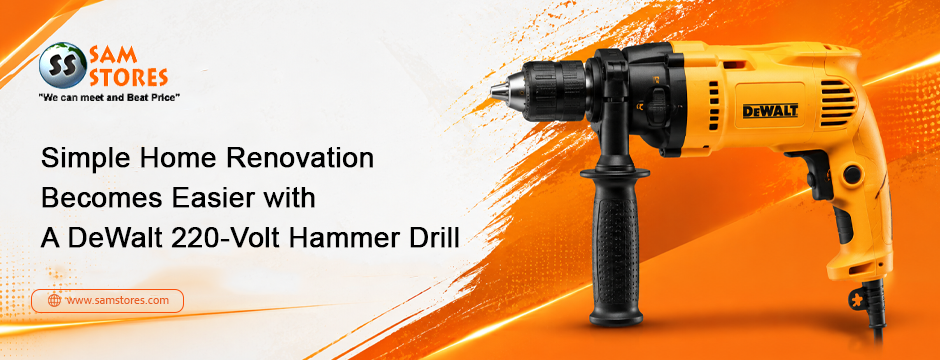
This is where choosing the right tool can completely change the experience. For many residential DIY projects, a DeWalt 220 volt hammer drill can provide the power, control, and versatility needed for demanding household tasks. At Sam Stores, we understand that homeowners do not necessarily need a workshop filled with professional equipment. They need dependable tools that make practical renovation jobs easier. So, what makes a hammer drill useful around the home?
Let’s take a closer look.
Why Home Renovation Projects Often Need More Than A Basic Drill?
Home renovation projects can look remarkably simple on paper. You measure the wall, mark the position, select a drill bit, and get started. However, different wall materials can behave very differently. Wood is generally easier to drill, while drywall requires a different approach. Brick and masonry can demand considerably more drilling force.
This is where a 220-volt hammer drill becomes particularly useful. Unlike a standard drill, a hammer drill combines rotational movement with a rapid hammering action. That additional action helps the bit work through harder masonry surfaces more efficiently. You do not necessarily need a hammer drill for every household task. However, having one available can save considerable effort when your project involves brick, concrete, or other demanding materials.
DeWalt 220 Volts Hammer Drill for Practical Home Projects
A good home tool should make difficult jobs feel manageable rather than intimidating. The DeWalt 220 Volts hammer drill is designed around the versatility homeowners often need for different applications.
Think about the projects you may encounter over several years. Installing wall shelves could require masonry drilling, while mounting a television may involve drilling into a solid wall. Setting up garage storage could require holes for brackets and anchors.
A suitable hammer drill can support these jobs while also handling conventional drilling applications. That versatility is particularly useful for homeowners who prefer investing in fewer capable tools rather than buying separate equipment for every project.
The important thing is to choose equipment based on your actual needs and intended applications.
Installing Shelves Without Turning It into A Weekend Marathon
Let’s start with one of the most common home improvement jobs: installing shelves. You have the shelf, the brackets, and your measurements are ready. Then you hit the wall. If you’re drilling into masonry, a basic drill may struggle to create a clean hole.
You may need excessive pressure, repeated attempts, or several different bits before making progress. A hammer drill can make the process more straightforward because its hammering action helps break through harder surfaces while the rotating bit removes material.
Of course, the correct drill bit remains essential. Always select a bit designed for the wall material and follow the tool manufacturer’s instructions. A little preparation can make the difference between a neat installation and a frustrating afternoon.
Home Improvement Gets Easier When One Tool Handles Multiple Tasks
Storage space matters in residential homes. Most homeowners do not want a garage filled with tools that each perform one specific function. This is one reason versatile DeWalt 220-volt power tools can be useful when building a practical home toolkit. A carefully selected collection can cover a surprisingly broad range of projects.
A hammer drill can support drilling and fastening tasks, while other tools can handle cutting, sanding, grinding, or specialised applications. The key is choosing equipment according to the work you actually expect to do.
Don’t buy a tool simply because it looks impressive. Choose equipment that solves problems you’re likely to encounter around your home.
Why Power & Control Both Matter?
More power does not automatically mean better results. Home renovation often requires precision, particularly when you’re working around finished walls, cabinets, furniture, and fixtures.
You may need to drill a hole at a specific location without damaging the surrounding surface. You might also need controlled speed when working with different materials. This is why power and control need to work together. A capable hammer drill should provide sufficient force while allowing you to maintain control throughout the task.
For homeowners, that balance can make DIY projects less intimidating. You don’t want the drill fighting against you. You want the tool to respond predictably to your movements and the demands of the material.
When A Circular Saw Joins The Renovation
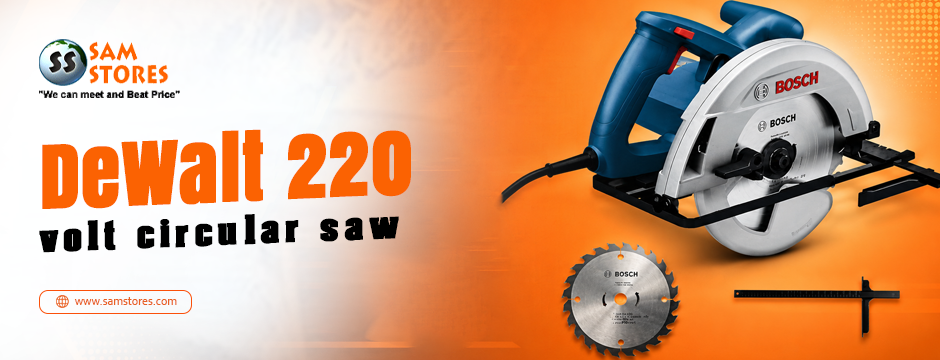
Not every renovation task involves drilling. Once you start improving your home, you may discover projects that require accurate cutting. Building custom shelving, modifying timber panels, creating storage solutions, or completing woodworking projects can involve repeated cuts. This is where a DeWalt 220 volt circular saw can become another useful addition to a homeowner’s toolkit.
A circular saw is designed for cutting materials such as wood and suitable sheet materials, depending on the specific blade and application.
Together, appropriate drilling and cutting tools can cover many practical DIY projects. The important thing is to use each tool for its intended purpose and select accessories suitable for the material.
Safety Should Always Come First
DIY should be satisfying, but it should never be careless. Before using any power tool, read the manufacturer’s instructions and understand its controls.
Wear suitable eye protection when drilling or cutting, and keep loose clothing and hair away from moving components. Secure your workpiece when necessary and maintain a stable working position. Most importantly, understand the material you’re working on. When drilling into walls, check for hidden electrical wiring and plumbing before making any holes.
If you’re unsure, stop and seek professional advice. A professional assessment is far cheaper than repairing damaged electrical or plumbing systems. The goal is to complete your renovation safely, not simply quickly.
Why Investing in The Right Tool Can Save Money
Some homeowners hesitate to buy a quality power tool because they expect to use it only occasionally. However, think about how many small projects appear over the years. A shelf today could be followed by a wall-mounted television next year, garage storage later, and a home office after that.
A suitable tool can continue serving you across all these projects. That makes the purchase less about completing one renovation and more about building a useful home toolkit. At Sam Stores, choosing the right equipment should always begin with understanding the project, the material, and the performance required. The right purchase continues providing value long after the original project is finished.
End Note
Home renovation doesn’t always require a major budget or a complete construction crew. Often, the right tools and careful preparation can make everyday improvements much easier. A DeWalt 220 Volts hammer drill can be particularly useful for homeowners tackling masonry drilling, wall mounting, storage installations, and other demanding DIY projects.
So, when paired with suitable DeWalt 220 Volts power tools, homeowners can gradually build a practical toolkit for different renovation needs. At Sam Stores, choosing the right equipment should always begin with understanding the project, the material, and the level of performance required. Because the best DIY projects aren’t necessarily the biggest ones.
Sometimes, transforming one wall, one shelf, or one forgotten corner is enough to make your home feel completely different. With the right tool in your hand, that transformation can be much easier than you expected.
FAQs
1. What is a hammer drill used for at home?
A hammer drill is useful for drilling into harder materials such as brick and masonry. It can also handle many conventional drilling and fastening tasks.
2. Is a hammer drill suitable for DIY home renovation?
Yes. A DeWalt 220-volt hammer drill can be useful for shelves, wall mounts, storage brackets, fixtures, and other household projects requiring masonry drilling.
3. What drill bit should I use for masonry?
Use a masonry-rated drill bit suitable for the material and drill type. Always follow the tool and bit manufacturer’s recommendations.
4. Can a hammer drill replace a regular drill?
A hammer drill can handle many regular drilling tasks. However, the best choice depends on the project, material, required control, and specific tool features.
5. What safety precautions should homeowners take?
Wear appropriate eye protection, secure the work area, use the correct bit, and check walls for hidden wiring or plumbing before drilling.