Summer can change how you experience your home. A bedroom that feels comfortable in the morning can become uncomfortable by afternoon, especially when outside temperatures climb. Choosing the right cooling system therefore involves more than checking the BTU rating. Installation style, maintenance access, room size, electrical requirements, and long-term convenience all deserve attention. A 220 volt 10000 BTU air conditioner can be an excellent option for homeowners who need dependable cooling without completely changing their home’s appearance.
So, when paired with a slide-out chassis design, it can also offer practical advantages that traditional window units may not provide. Sam Stores helps homeowners explore these choices with a focus on finding equipment suited to their actual spaces.
What Is A Slide-Out Chassis Air Conditioner?
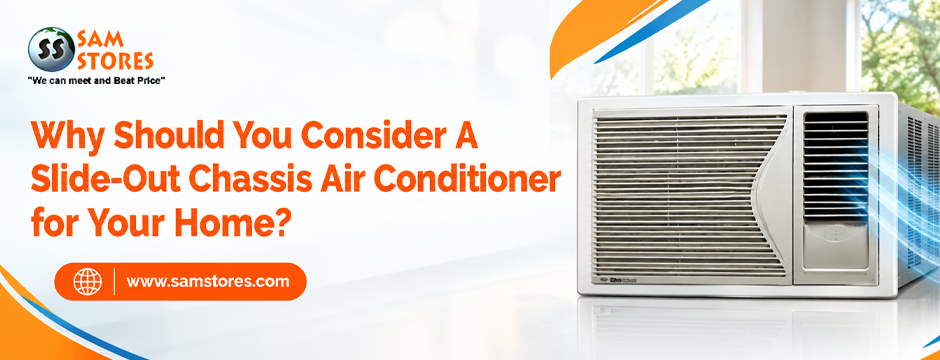
A slide-out chassis air conditioner has a removable chassis that slides out from its outer cabinet. The design allows the unit to be installed through a wall or within a suitable sleeve, depending on the model.
That configuration creates a different experience from a standard window air conditioner.
Instead of placing the entire appliance inside the window opening, the cabinet can remain installed while the internal chassis can be accessed when necessary. This can make maintenance and servicing more convenient.
For homeowners planning a more permanent cooling solution, that distinction can become important.
A properly selected 220 volt 10000 BTU air conditioner with a slide-out chassis can combine substantial cooling capacity with an installation approach that works well for certain rooms and property layouts.
Why Is A Slide-Out Chassis Worth Considering?
The biggest appeal is flexibility. A traditional window unit occupies a window opening. This can affect natural light, views, ventilation, and how the room feels.
A through-wall installation can provide a more integrated appearance while keeping windows available for their intended purpose.
The slide-out chassis adds another practical advantage.
Because the internal unit can be removed from the sleeve, technicians can potentially access important components more conveniently during servicing. That can make routine maintenance less disruptive than working with an appliance that remains fixed in a difficult position.
For homeowners who prefer permanent installations, this design deserves serious consideration.
How Does It Compare with A Through-the-Wall Installation?
A 220 volt through-the-wall air conditioner can be appealing when you want to preserve window space. However, installation needs careful planning because the wall opening must accommodate the equipment correctly.
The wall itself also needs to be suitable for the installation. Before purchasing, homeowners should consider the wall structure, available space, drainage requirements, electrical supply, and manufacturer’s installation specifications.
A slide-out chassis model can be particularly useful because the sleeve remains in position while the chassis can be accessed separately. This can make the system feel more like a dedicated part of the room rather than a temporary appliance placed into a window.
However, not every model is interchangeable. Always confirm whether the selected air conditioner is specifically designed for the intended installation method.
Is 10,000 BTU Enough for Your Room?
BTU capacity matters because an air conditioner needs to remove enough heat for the space it serves.
- A 220 volt 10000 BTU air conditioner may be suitable for many medium-sized rooms, but the correct capacity depends on more than floor area.
- Ceiling height, sunlight exposure, insulation, occupancy, appliances, and room layout can all influence cooling requirements.
- A room with large sun-facing windows may gain considerably more heat than a shaded room of the same size.
- Similarly, a living area with several occupants and heat-producing electronics can require more cooling capacity.
Choosing the largest available unit is not automatically the answer. An appropriately sized system can provide more balanced operation and comfortable temperature control. So, check the manufacturer’s recommended room size and installation requirements before making your final choice.
What about Other 220 Volt Air Conditioner Options?
Homeowners often compare several configurations before choosing a cooling system.
For example, 220 volt room air conditioners can provide dedicated cooling for spaces that need independent temperature control. A bedroom, home office, living room, or guest room may have different cooling requirements from the rest of the house.
Dedicated units can allow occupants to cool the spaces they actually use instead of cooling an entire property. That can be useful when household routines vary. Someone working from home during the day may need a comfortable office, while bedrooms may become the priority later in the evening.
The right configuration depends on your property, electrical capacity, room requirements, and preferred installation style.
Could A Slide-Out Chassis Improve Maintenance Access?
Air conditioners need maintenance.
Filters collect dust. Coils can become dirty. A slide-out chassis can allow the internal unit to be pulled from the sleeve when service is required. This does not eliminate maintenance needs, but it can make certain servicing tasks more practical.
Homeowners should still follow the manufacturer’s cleaning and maintenance recommendations. Filters should be checked regularly, while more complex servicing should be handled by appropriately qualified professionals.
Keeping the equipment clean and properly maintained can also support efficient operation throughout the cooling season.
Why Electrical Requirements Deserve Attention?
Voltage is another important consideration. A 220 volt 10000 BTU air conditioner is not simply a larger version of a lower-voltage appliance. Electrical requirements need to match the home’s available supply and the manufacturer’s specifications.
Before installation, confirm the required voltage, amperage, plug configuration, and circuit requirements. Never assume that an existing outlet is automatically suitable.
Electrical work should be completed according to applicable requirements and by a qualified professional when necessary.
This is particularly important for higher-capacity air conditioning equipment. Getting the electrical side right from the beginning can help avoid installation problems and support reliable operation.
What about Portable Air Conditioners?
Portable models offer a different approach. A 240 volt portable AC can provide flexibility for situations where permanent installation is not practical. You can potentially move the appliance between suitable spaces, depending on the model and installation requirements.
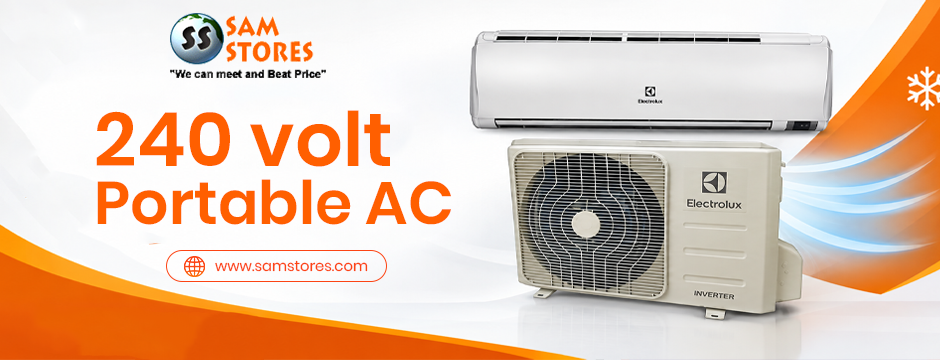
That convenience comes with trade-offs. Portable units occupy floor space and require appropriate exhaust arrangements. Their mobility can be useful, but they may not provide the same integrated appearance as a through-wall system.
Homeowners should therefore consider how frequently they expect to move the equipment.
Could A Heat-and-Air Unit Offer More Year-Round Value?
Cooling is often the first concern during summer, but homeowners may also want equipment that provides heating during colder months. A 220 volt heat and air window unit can provide both functions in a suitable installation.
This can make a single appliance useful across different seasons. However, homeowners should compare heating capacity, energy requirements, room size recommendations, and operating features before deciding.
A heating-and-cooling model may be particularly useful in rooms that need temperature control throughout the year. The key is to consider your complete comfort requirements rather than purchasing equipment based solely on summer temperatures.
Choosing The Right Configuration Matters
Air conditioning is not simply about making a room colder. The equipment needs to fit the property, the electrical system, the room, and your lifestyle.
A slide-out chassis can be an appealing choice when you want permanent installation with practical access for servicing. It can also preserve valuable window space when installed through an appropriate wall.
For homeowners comparing different configurations, understanding these differences can make the purchasing process much easier. Sam Stores can be part of that decision-making process by helping customers explore equipment options based on their specific requirements.
Final Thoughts
A 220 volt 10000 BTU air conditioner with a slide-out chassis can offer an appealing combination of dependable cooling, permanent installation, and practical maintenance access. It may be particularly useful when homeowners want to preserve window space while creating a more integrated cooling setup.
Before buying, consider room size, electrical requirements, wall structure, maintenance access, and whether you need heating as well as cooling. The right system should fit your home rather than force your home to adapt around it.
With careful planning and the right equipment, cooling can become a comfortable, reliable part of your home’s everyday environment.
FAQs
1. What is a slide-out chassis air conditioner?
It features a removable internal chassis that can slide out from its cabinet, simplifying certain installation and maintenance requirements.
2. Is a 220 volt 10000 BTU air conditioner suitable for every room?
Not necessarily; room size, insulation, sunlight, ceiling height, and heat sources should all be considered before choosing capacity.
3. Can a slide-out chassis air conditioner be installed through a wall?
Yes, compatible models of 220 volt 10000 BTU air conditioners can be designed for through-wall installation, provided the sleeve and installation requirements are suitable.
4. Is a slide-out chassis better than a window air conditioner?
It can be preferable when preserving window space and having convenient service access are important priorities.
5. What should I check before installing a 220 volt air conditioner?
Confirm the electrical requirements, room capacity, installation dimensions, wall suitability, drainage needs, and manufacturer specifications.