Buying a refrigerator sounds straightforward until you actually start comparing models. Suddenly, capacity, layout, electricity consumption, freezer space, family size, and kitchen dimensions all become important. Choosing between a single-door model and a double-door refrigerator can therefore take more thought than expected.
If you are considering a 220 volt refrigerator, you also need to understand whether its electrical specifications suit your home. Sam Stores helps buyers explore practical appliance choices without getting lost in unnecessary technical details. The right refrigerator is not simply the biggest or most expensive model. It should match your household’s food habits, available space, budget, and everyday routine.
Single Door Or Double Door: What Is The Actual Difference?
The most obvious difference is the refrigerator’s internal arrangement.
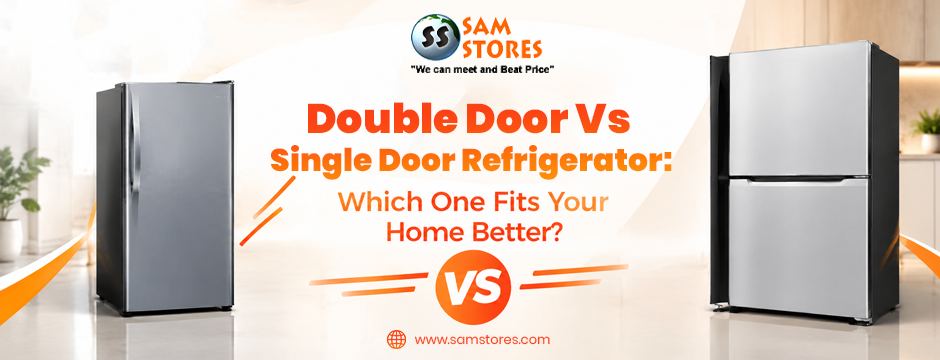
A single-door refrigerator generally combines the refrigerator compartment and freezer within one main cabinet. Depending on the model, the freezer section may occupy a smaller compartment at the top.
A double-door refrigerator separates the freezer and fresh-food compartments into dedicated sections. This usually provides greater capacity and makes it easier to organise different types of food.
That sounds simple. However, the practical difference becomes clearer when you think about how your household actually uses the 220 volt refrigerator.
A person living alone may rarely need a large freezer. A family that stores frozen foods, prepares meals in advance, or shops weekly may appreciate significantly more freezer capacity. The better choice therefore depends on usage rather than appearance alone.
When Does A Single-Door Refrigerator Make More Sense?
Single-door refrigerators remain popular because they offer a straightforward combination of refrigeration and freezing in one compact unit. They can be particularly suitable for smaller households, apartments, rental properties, offices, and kitchens where floor space is limited.
Their simpler design can also make them appealing to buyers who do not need extensive storage.
Think about a couple that shops for fresh food several times each week. They may not need a large freezer compartment or extensive shelves. A compact refrigerator can provide exactly what they need without occupying unnecessary kitchen space.
Another advantage is accessibility. Because the refrigerator and freezer are positioned within the same overall unit, the layout can feel familiar and easy to manage.
However, smaller capacity can become a limitation for larger families. If you frequently store large containers, multiple vegetables, beverages, leftovers, or frozen products, a single-door refrigerator may begin feeling crowded.
Why Are Double Door Refrigerators Popular with Families?
A double-door refrigerator is designed around separation. The refrigerator compartment provides dedicated fresh-food storage, while the freezer receives its own space.
This can make organisation easier. You can keep frequently used vegetables, dairy products, beverages, and leftovers in the refrigerator section without constantly rearranging the freezer.
For larger households, that additional space can be valuable. Imagine preparing meals for five people during a busy week. You might need several containers of prepared food, fresh produce, sauces, beverages, and frozen ingredients. A larger refrigerator makes that routine easier to manage.
Double-door models can also provide greater flexibility for households that purchase groceries in larger quantities. Instead of squeezing everything into limited compartments, you can arrange foods according to how often they are used.
Does Voltage Matter When Choosing A Refrigerator?
Yes, electrical specifications deserve attention before purchasing any refrigerator.
Many household appliances are designed for specific voltage and frequency requirements. A buyer should always check the manufacturer’s specifications and ensure the appliance is appropriate for the electrical supply where it will be installed.
You may come across descriptions such as refrigerator 220 volts 50 hz while comparing appliances. The “220 volts” describes the nominal voltage requirement, while “50 Hz” refers to the frequency of the alternating electrical supply.
You may also encounter products described as a 240 volt refrigerator. These labels should not be interpreted solely by comparing numbers. Actual compatibility depends on the appliance’s stated operating range and the electrical standards of your location.
Always check the manufacturer’s specifications before connecting an appliance.
Is A 220 Volt Refrigerator Suitable for Your Home?
For buyers specifically searching for a 220 volt refrigerator, checking the appliance label is an important first step.
Look for the rated voltage and frequency information supplied by the manufacturer. Some appliances may specify an operating range rather than one exact voltage. This distinction matters because household electrical supplies can vary within accepted operating limits.
You should also consider installation conditions. A refrigerator needs a suitable electrical outlet, adequate ventilation, and enough clearance around the appliance. Placing a large refrigerator in a tightly enclosed space can affect airflow and potentially influence its operation.
Electrical compatibility and physical suitability should therefore be considered together. The refrigerator may have excellent features, but it still needs to work safely and appropriately within your home environment.
How Much Space Do You Actually Need?
Capacity is one of the biggest differences between single-door and double-door refrigerators. But bigger is not automatically better.
- Start by considering how many people live in your household.
- Then think about shopping habits.
- Also measure the available kitchen space before purchasing.
- Check the width, height, and depth available for the appliance. Remember to consider door movement as well.
A refrigerator may physically fit into a space but still be difficult to use if its doors cannot open properly.
What about Freezer Space?
Freezer requirements often separate single-door buyers from double-door buyers. A small freezer may be perfectly adequate if you primarily consume fresh food.
However, regular frozen-food users may quickly appreciate additional freezer capacity. Double-door models can provide a more dedicated freezer compartment, allowing frozen products to remain organised separately from fresh groceries.
Energy Consumption Should Be Part of The Decision
Refrigerators operate continuously, so energy efficiency deserves attention. Instead of focusing only on purchase price, consider how the appliance may affect ongoing electricity consumption.
Look for the manufacturer’s energy information and compare models within the same category. However, remember that energy consumption depends on several factors. Usage patterns, ambient temperature, door-opening frequency, temperature settings, maintenance, and appliance condition can all influence real-world performance.
A well-organised refrigerator can also make everyday use easier. When frequently used items are placed where they are easy to find, you may spend less time searching with the door open.
Small habits can therefore complement an efficient appliance.
Could A 240 Volt Fridge Be The Right Choice?
You may encounter the term 240 volt fridge while browsing different refrigerator options. Again, the important consideration is not simply whether the number says 220 or 240. Check the manufacturer’s specified voltage range and frequency requirements.
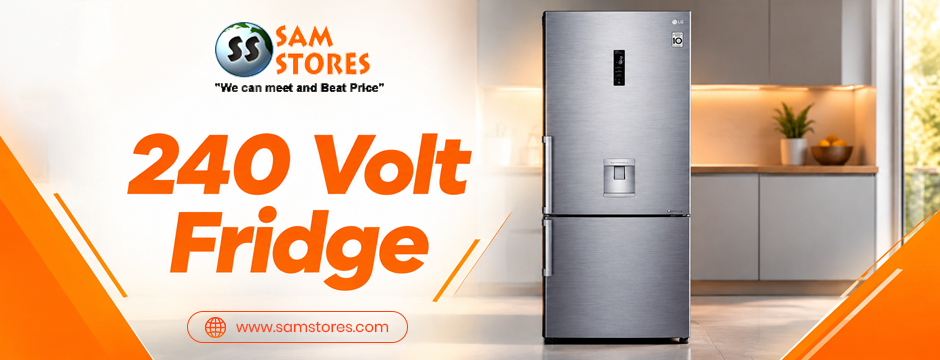
An appliance designed to operate across an appropriate voltage range may accommodate the electrical supply for which it was manufactured. If you are uncertain, consult the product documentation or a qualified electrical professional before installation.
Avoid assuming that two refrigerators are interchangeable simply because their voltage labels appear similar. Electrical compatibility should always be confirmed from reliable product specifications.
What Should You Consider before Buying?
Before choosing between the two designs, ask yourself a few practical questions.
- How many people will use the refrigerator?
- How frequently do you shop?
- How much frozen food do you normally keep?
- How much kitchen space is available?
- What voltage and frequency does the appliance require?
- Do you need additional storage for beverages or prepared meals?
- What energy information does the manufacturer provide?
Your answers will narrow the options quickly.
A single-door model may be enough for a compact household, while a double-door model can provide greater flexibility for families with heavier storage needs.
Choose The Refrigerator That Fits Your Routine
The choice between single-door and double-door refrigerators ultimately comes down to how you live and store food. A 220 volt refrigerator can be a practical option when its specifications match your home’s electrical supply and your storage requirements.
Single-door models suit buyers seeking simplicity and compact storage, while double-door refrigerators often provide greater capacity and freezer organisation. Before purchasing, compare dimensions, capacity, energy information, internal layout, and electrical specifications carefully.
The best refrigerator available at Sam Stores is the one that quietly fits your kitchen, your habits, and your everyday needs.
FAQs
1. Is a single-door refrigerator better for a small family?
A single-door refrigerator can suit smaller households with moderate fresh-food and freezer storage requirements.
2. Why choose a double-door refrigerator?
A double-door 220 volt refrigerator generally offers more storage, dedicated freezer space, and better organisation for larger households.
3. What does 220 volts 50 Hz mean for a refrigerator?
It indicates the appliance’s nominal electrical voltage and alternating-current frequency requirements.
4. Is a 220 volts refrigerator suitable for every home?
Not necessarily; always check the manufacturer’s specified voltage and frequency range against your home’s electrical supply.
5. Should I choose refrigerator size based only on family size?
No. Shopping frequency, cooking habits, freezer usage, kitchen space, and food-storage preferences also influence the ideal capacity.