What Does Multi System Mean in an LED TV? A Guide for International Buyers

Buying a television for an overseas home can raise a few questions that do not usually come up when shopping for a regular TV. Will it work with the local power supply? Can it display television signals from another country? Will a cable box, satellite receiver, or gaming device connect without problems?

These questions matter to people moving abroad, families with homes in different countries, and anyone who wants to watch content from multiple regions. This is where a multi-system television can be worth considering.

A 220 Volt Multi System LED TV is designed for buyers who need to pay attention to both electrical compatibility and the television signals or formats supported by the set. However, the term “multi system” can mean different things depending on the model. It is important to understand what a particular television supports before making a purchase.

At Sam Stores, international appliance shoppers can use this guide to understand multi-system technology, compare important features, and make a more informed decision when choosing a television for an overseas home.

What Does Multi System Mean in an LED TV?

In simple terms, a multi-system TV supports more than one television signal standard or video format. Historically, different countries used different analogue television broadcasting systems, including PAL, NTSC, and SECAM.

These standards affected how television signals were transmitted and displayed. A television designed for one standard might not display signals from another region correctly without compatible equipment.

A multi-system television was developed to handle more than one of these formats. This made it particularly useful for international travellers, expatriates, and households that used equipment from different countries.

Modern televisions work differently from older analogue sets. Digital broadcasting, HDMI connections, streaming services, and external receivers have changed how people access entertainment. As a result, the phrase “multi-system” may refer to different capabilities depending on the product.

For example, a television might support several analogue video formats but have a digital tuner designed for a particular country. Another model might accept different video inputs through HDMI but lack compatibility with every regional broadcast service.

That is why checking the actual specifications is more useful than relying on the product name alone.

What Is a 220 Volt Multi System LED TV?

A 220 Volt Multi System LED TV combines two considerations that international buyers should understand: electrical input requirements and supported television formats.

The 220V reference concerns the electrical supply the television is designed to use. The multi-system description generally relates to the signal formats or television standards it supports.

These are separate features.

A TV can support multiple video standards but still require a specific electrical input. Likewise, a television that accepts a wide range of input voltages does not automatically support every broadcast standard used around the world.

Before buying, check the voltage information on the manufacturer’s label or product documentation. Some models support a range such as 100V to 240V, while others are designed for a narrower range. Never assume that every television advertised as multi-system is compatible with every country’s electrical supply.

Buyers should also check the supported frequency, plug type, tuner configuration, and available connections.

For people furnishing an overseas apartment or second home, these details can prevent compatibility problems after delivery.

Why Do International Buyers Need a Multi-System TV?

Television requirements can change considerably when you move from one country to another. A set purchased in one region may not work exactly as expected with local broadcast equipment in another.

A multi-system television may be useful in several situations.

1. Moving Abroad

Relocating for work, study, or family reasons often involves replacing some household appliances. If you want to take a television with you, you need to know whether it will work with the destination’s electrical supply and entertainment equipment.

A compatible TV may allow you to continue using your existing devices instead of replacing the entire entertainment setup.

However, you should confirm compatibility with local digital broadcasting services separately. Tuner standards and supported broadcast frequencies can vary between markets.

2. Maintaining a Second Home

Some families divide their time between countries and prefer to keep familiar entertainment equipment in both homes.

A multi-system TV may help when using compatible video sources from different regions. Before buying, consider the devices you plan to connect, such as a streaming box, DVD player, satellite receiver, or gaming console.

The right television should fit the entertainment setup you actually use, rather than simply offering the longest feature list.

3. Watching Content From Different Sources

People who use international media players, older video equipment, or external receivers may need a television that supports a variety of input formats.

Modern HDMI connections have simplified many compatibility issues because they carry digital video and audio between compatible devices. Nevertheless, regional broadcast tuners, older analogue inputs, and copy-protection requirements can still affect whether a particular setup works.

Check the television’s supported inputs and the output specifications of each connected device.

PAL, NTSC, and SECAM: What Buyers Should Know

Understanding these three terms can make multi-system TV specifications easier to interpret.

PAL: PAL was widely used for analogue television broadcasting in many countries across Europe, Asia, Africa, and Oceania.

NTSC: NTSC was historically used for analogue television in countries including the United States and Japan.

SECAM: SECAM was used in various countries, particularly in parts of Europe, Africa, and other regions.

These are legacy analogue television standards. They are still relevant when connecting certain older devices, but modern digital television services do not all rely on them.

If you plan to use a VCR, older DVD player, analogue receiver, or other legacy equipment, checking PAL, NTSC, and SECAM support may be important.

If most of your viewing happens through streaming apps or HDMI-connected devices, other specifications may matter more. These include resolution, HDR support, refresh rate, available HDMI ports, and compatibility with your streaming equipment.

The main point is to match the television to your intended use instead of assuming that multi-system support guarantees universal compatibility.

How to Choose the Right Multi-System LED TV

The best television is not necessarily the one with the largest screen or the most features. It is the model that meets your viewing needs and works with your equipment.

Here are the main points to consider before purchasing.

Check the Voltage Range

Start with the manufacturer’s electrical specifications. If you need a TV for a 220V or 230V supply, confirm that its rated input includes the voltage available in your home.

A model rated for 100V to 240V may offer greater flexibility across countries, provided its frequency and other requirements are also compatible.

Remember that a plug adapter changes the physical plug connection, not the voltage. If a television does not support the local electrical supply, consult the manufacturer or a qualified electrician about a suitable solution.

Choose the Right Screen Size

Screen size should reflect the viewing distance, room layout, and available space.

A smaller television may be sufficient for a bedroom, guest room, or compact apartment. A larger screen may work better in a living room where several people watch together.

Measure the available space before ordering. Account for the TV stand, wall clearance, cable access, and ventilation.

Compare Resolution and Picture Quality

Many modern buyers expect at least Full HD resolution, while 4K televisions offer additional detail for compatible content.

The best option depends on screen size, viewing distance, budget, and the content you watch. If you primarily stream high-resolution films or play games, resolution, refresh rate, and HDR support may deserve particular attention.

Do not overlook sound quality either. A slim LED television may benefit from a soundbar or external speaker system if you want fuller audio for films and sports.

Review Connectivity Options

Check the number and type of ports available on the TV.

HDMI is useful for streaming devices, gaming consoles, Blu-ray players, and compatible receivers. USB ports can support certain media playback functions or accessories, depending on the model.

Buyers who rely on older equipment should confirm whether the television has the necessary legacy inputs or whether an appropriate converter is required.

Also check Wi-Fi capability, Ethernet connectivity, and smart TV features if you plan to stream content directly.

Understand the Tuner Requirements

A television’s built-in tuner may be designed for a particular digital broadcasting system. Multi-system video support does not necessarily mean the tuner will receive local channels in every country.

If you plan to watch over-the-air broadcasts, verify the supported digital tuner standard for your destination. If you use cable or satellite services, ask the provider whether its receiver is compatible with the television’s available inputs.

This is especially important for buyers who expect a television purchased abroad to work immediately with local channels.

Build a Better Entertainment Setup at Home

Choosing the right television is only one part of creating a comfortable entertainment space. Accessories and connected devices can also influence how convenient the setup is.

Consider Your Internet Connection

For a smart TV, a stable internet connection helps with streaming films, watching online videos, and using supported applications.

Buyers researching networking equipment, such as a Vizio Dual Band HD Wireless Internet Router, should verify the exact product specifications and compatibility with their internet service before purchasing. A dual-band router can offer access to different Wi-Fi frequency bands, but actual performance depends on the router, connected devices, signal strength, and network congestion.

If possible, position the router where the signal reaches the television reliably. For demanding streaming or gaming setups, a wired Ethernet connection may provide a useful alternative when the TV supports it.

Remember that a router does not make an incompatible broadcast tuner compatible. Internet streaming and over-the-air television reception are separate functions.

Select a Suitable TV Stand

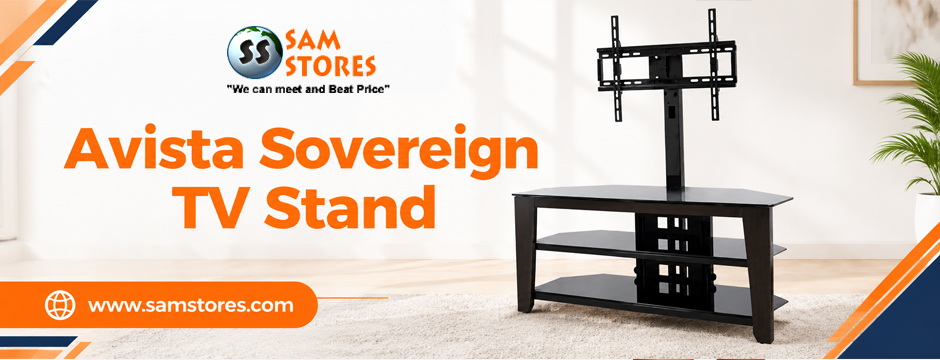
A stable stand keeps the television secure and helps the room look organised. An Avista Sovereign TV Stand may be worth researching if you are comparing furniture options for your entertainment area, but confirm its dimensions, weight capacity, and compatibility with your particular television.
How The Braun 220 Volt Hair Dryer Redefines Everyday Glamour_

Check the TV’s width, the stand’s supported load, and the available space for connected equipment. Leave sufficient room for ventilation and cable management.

If you prefer wall mounting, verify the television’s VESA mounting pattern and use a mount rated for its weight and dimensions.

Multi-System LED TV vs. Smart TV: Are They the Same?

No. These terms describe different features.

A multi-system television is generally associated with support for multiple video formats or television standards. A smart TV offers internet-connected functions, such as streaming apps, online services, and sometimes voice control or screen casting.

A television can offer both capabilities, but one does not guarantee the other.

For example, a multi-system TV may have limited smart functionality, while a smart TV may be designed primarily for a specific regional broadcast system. If you need both, verify that the exact model supports the video standards, electrical supply, streaming applications, and connections you require.

It is also worth checking whether the TV’s operating system receives software updates and whether your preferred streaming services are available in the destination country.

Alternatives for a More Flexible Home Theatre

A television is not the only way to enjoy films and other video content at home.

Some buyers prefer a projector for a larger viewing area or a dedicated home theatre room. A projector can be useful when the room allows suitable placement, screen space, and control over ambient light.

For example, the LG PF 1000 UW Smart Home Theatre Projector is a product reference buyers may encounter when researching home theatre equipment. Before choosing any projector, verify its resolution, brightness, throw distance, supported inputs, and electrical rating.

Similarly, shoppers researching older television models, such as the Samsung PS51F4500 51 Inch Multisystem Plasma TV, should check the exact model’s availability, specifications, power requirements, and condition. Plasma technology differs from LED technology, so this is not a direct comparison of equivalent display types.

These alternatives illustrate why product specifications matter more than a label alone. Choose the device that suits your room, viewing habits, and equipment.

Common Mistakes to Avoid When Buying a Multi-System TV

A few simple checks can help you avoid disappointment.

  • Confusing voltage compatibility with video compatibility: These are separate specifications and must be checked independently.
  • Assuming every model supports every broadcast standard: Read the technical details for the exact model.
  • Ignoring the digital tuner: Confirm compatibility with local broadcast services if you intend to watch free-to-air channels.
  • Overlooking connectivity: Check whether your receivers, consoles, streaming devices, and older equipment can connect.
  • Buying the wrong screen size: Measure the room and viewing distance before deciding.
  • Forgetting local service and warranty coverage: International purchases may have different repair options, return policies, and warranty conditions.

These checks are particularly useful when purchasing electronics for overseas delivery, where returning a bulky television can be inconvenient or expensive.

Find the Right Television for Your International Home at Sam Stores

A multi-system television can be a practical choice for international buyers, but its value depends on the features it actually supports. Electrical input, analogue video standards, digital tuners, HDMI connectivity, and smart TV capabilities all serve different purposes.

Before making a decision, identify the equipment you plan to connect, confirm the electrical requirements in your destination, and compare the picture quality and connectivity features that matter to your household.

At Sam Stores, shoppers researching international electronics can use these considerations to compare available options and make a more confident purchase. Whether you are furnishing a new overseas home, upgrading a bedroom television, or creating a home theatre, a little preparation can save time and help you choose equipment that fits your needs.

The right television should do more than look good on a shelf. It should work with your power supply, suit your viewing habits, and connect easily with the devices you use every day.

FAQs –

1. What does multi system mean in an LED TV?

A multi-system TV generally supports more than one television signal standard or video format, such as PAL and NTSC. The exact supported formats vary by model, so buyers should check the manufacturer’s specifications.

2. Is a 220 Volt Multi System LED TV compatible with every country?

No. Compatibility depends on the television’s rated input voltage, frequency, plug requirements, supported video formats, digital tuner, and connected devices. Always check the specifications for the destination country.

3. What is the difference between a multi-system TV and a smart TV?

A multi-system TV supports multiple video formats or television standards, depending on its specifications. A smart TV provides internet-connected features such as streaming apps. A television may offer both, but one feature does not guarantee the other.

4. Can a multi-system LED TV receive television channels in another country?

Not necessarily. It may support certain video formats but still lack a digital tuner compatible with local broadcasts. Check the destination’s broadcast standard and the TV’s tuner specifications, or use a compatible external receiver.

5. Can I use a 220V multi-system TV in a 240V electrical system?

Only if the manufacturer’s rated input voltage range includes 240V. Check the label or manual and verify frequency requirements. A plug adapter alone does not convert voltage.
Double Door Vs Single Door Refrigerator: Which One Fits Your Home Better?

Buying a refrigerator sounds straightforward until you actually start comparing models. Suddenly, capacity, layout, electricity consumption, freezer space, family size, and kitchen dimensions all become important. Choosing between a single-door model and a double-door refrigerator can therefore take more thought than expected.

If you are considering a 220 volt refrigerator, you also need to understand whether its electrical specifications suit your home. Sam Stores helps buyers explore practical appliance choices without getting lost in unnecessary technical details. The right refrigerator is not simply the biggest or most expensive model. It should match your household’s food habits, available space, budget, and everyday routine.

Single Door Or Double Door: What Is The Actual Difference?

The most obvious difference is the refrigerator’s internal arrangement.

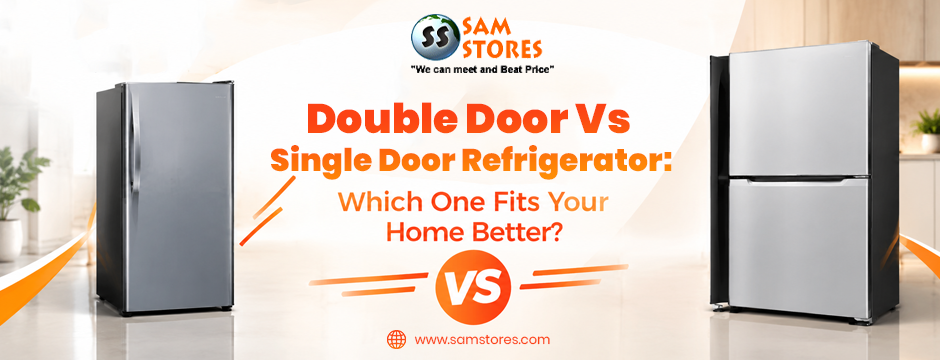
A single-door refrigerator generally combines the refrigerator compartment and freezer within one main cabinet. Depending on the model, the freezer section may occupy a smaller compartment at the top.

A double-door refrigerator separates the freezer and fresh-food compartments into dedicated sections. This usually provides greater capacity and makes it easier to organise different types of food.

That sounds simple. However, the practical difference becomes clearer when you think about how your household actually uses the 220 volt refrigerator.

A person living alone may rarely need a large freezer. A family that stores frozen foods, prepares meals in advance, or shops weekly may appreciate significantly more freezer capacity. The better choice therefore depends on usage rather than appearance alone.

When Does A Single-Door Refrigerator Make More Sense?

Single-door refrigerators remain popular because they offer a straightforward combination of refrigeration and freezing in one compact unit. They can be particularly suitable for smaller households, apartments, rental properties, offices, and kitchens where floor space is limited.

Their simpler design can also make them appealing to buyers who do not need extensive storage.

Think about a couple that shops for fresh food several times each week. They may not need a large freezer compartment or extensive shelves. A compact refrigerator can provide exactly what they need without occupying unnecessary kitchen space.

Another advantage is accessibility. Because the refrigerator and freezer are positioned within the same overall unit, the layout can feel familiar and easy to manage.

However, smaller capacity can become a limitation for larger families. If you frequently store large containers, multiple vegetables, beverages, leftovers, or frozen products, a single-door refrigerator may begin feeling crowded.

Why Are Double Door Refrigerators Popular with Families?

A double-door refrigerator is designed around separation. The refrigerator compartment provides dedicated fresh-food storage, while the freezer receives its own space.

This can make organisation easier. You can keep frequently used vegetables, dairy products, beverages, and leftovers in the refrigerator section without constantly rearranging the freezer.

For larger households, that additional space can be valuable. Imagine preparing meals for five people during a busy week. You might need several containers of prepared food, fresh produce, sauces, beverages, and frozen ingredients. A larger refrigerator makes that routine easier to manage.

Double-door models can also provide greater flexibility for households that purchase groceries in larger quantities. Instead of squeezing everything into limited compartments, you can arrange foods according to how often they are used.

Does Voltage Matter When Choosing A Refrigerator?

Yes, electrical specifications deserve attention before purchasing any refrigerator.

Many household appliances are designed for specific voltage and frequency requirements. A buyer should always check the manufacturer’s specifications and ensure the appliance is appropriate for the electrical supply where it will be installed.

You may come across descriptions such as refrigerator 220 volts 50 hz while comparing appliances. The “220 volts” describes the nominal voltage requirement, while “50 Hz” refers to the frequency of the alternating electrical supply.

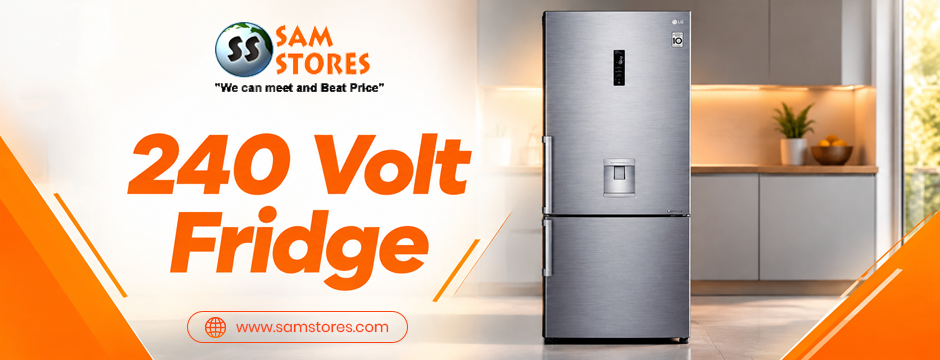
You may also encounter products described as a 240 volt refrigerator. These labels should not be interpreted solely by comparing numbers. Actual compatibility depends on the appliance’s stated operating range and the electrical standards of your location.

Always check the manufacturer’s specifications before connecting an appliance.

Is A 220 Volt Refrigerator Suitable for Your Home?

For buyers specifically searching for a 220 volt refrigerator, checking the appliance label is an important first step.

Look for the rated voltage and frequency information supplied by the manufacturer. Some appliances may specify an operating range rather than one exact voltage. This distinction matters because household electrical supplies can vary within accepted operating limits.

You should also consider installation conditions. A refrigerator needs a suitable electrical outlet, adequate ventilation, and enough clearance around the appliance. Placing a large refrigerator in a tightly enclosed space can affect airflow and potentially influence its operation.

Electrical compatibility and physical suitability should therefore be considered together. The refrigerator may have excellent features, but it still needs to work safely and appropriately within your home environment.

How Much Space Do You Actually Need?

Capacity is one of the biggest differences between single-door and double-door refrigerators. But bigger is not automatically better.

  • Start by considering how many people live in your household.
  • Then think about shopping habits.
  • Also measure the available kitchen space before purchasing.
  • Check the width, height, and depth available for the appliance. Remember to consider door movement as well.

A refrigerator may physically fit into a space but still be difficult to use if its doors cannot open properly.

What about Freezer Space?

Freezer requirements often separate single-door buyers from double-door buyers. A small freezer may be perfectly adequate if you primarily consume fresh food.

However, regular frozen-food users may quickly appreciate additional freezer capacity. Double-door models can provide a more dedicated freezer compartment, allowing frozen products to remain organised separately from fresh groceries.

Energy Consumption Should Be Part of The Decision

Refrigerators operate continuously, so energy efficiency deserves attention. Instead of focusing only on purchase price, consider how the appliance may affect ongoing electricity consumption.

Look for the manufacturer’s energy information and compare models within the same category. However, remember that energy consumption depends on several factors. Usage patterns, ambient temperature, door-opening frequency, temperature settings, maintenance, and appliance condition can all influence real-world performance.

A well-organised refrigerator can also make everyday use easier. When frequently used items are placed where they are easy to find, you may spend less time searching with the door open.

Small habits can therefore complement an efficient appliance.

Could A 240 Volt Fridge Be The Right Choice?

You may encounter the term 240 volt fridge while browsing different refrigerator options. Again, the important consideration is not simply whether the number says 220 or 240. Check the manufacturer’s specified voltage range and frequency requirements.

How The Braun 220 Volt Hair Dryer Redefines Everyday Glamour_

An appliance designed to operate across an appropriate voltage range may accommodate the electrical supply for which it was manufactured. If you are uncertain, consult the product documentation or a qualified electrical professional before installation.

Avoid assuming that two refrigerators are interchangeable simply because their voltage labels appear similar. Electrical compatibility should always be confirmed from reliable product specifications.

What Should You Consider before Buying?

Before choosing between the two designs, ask yourself a few practical questions.

  • How many people will use the refrigerator?
  • How frequently do you shop?
  • How much frozen food do you normally keep?
  • How much kitchen space is available?
  • What voltage and frequency does the appliance require?
  • Do you need additional storage for beverages or prepared meals?
  • What energy information does the manufacturer provide?

Your answers will narrow the options quickly.

A single-door model may be enough for a compact household, while a double-door model can provide greater flexibility for families with heavier storage needs.

Choose The Refrigerator That Fits Your Routine

The choice between single-door and double-door refrigerators ultimately comes down to how you live and store food. A 220 volt refrigerator can be a practical option when its specifications match your home’s electrical supply and your storage requirements.

Single-door models suit buyers seeking simplicity and compact storage, while double-door refrigerators often provide greater capacity and freezer organisation. Before purchasing, compare dimensions, capacity, energy information, internal layout, and electrical specifications carefully.

The best refrigerator available at Sam Stores is the one that quietly fits your kitchen, your habits, and your everyday needs.

FAQs

1. Is a single-door refrigerator better for a small family?

A single-door refrigerator can suit smaller households with moderate fresh-food and freezer storage requirements.

2. Why choose a double-door refrigerator?

A double-door 220 volt refrigerator generally offers more storage, dedicated freezer space, and better organisation for larger households.

3. What does 220 volts 50 Hz mean for a refrigerator?

It indicates the appliance’s nominal electrical voltage and alternating-current frequency requirements.

4. Is a 220 volts refrigerator suitable for every home?

Not necessarily; always check the manufacturer’s specified voltage and frequency range against your home’s electrical supply.

5. Should I choose refrigerator size based only on family size?

No. Shopping frequency, cooking habits, freezer usage, kitchen space, and food-storage preferences also influence the ideal capacity.

Top 10 220 Volt Appliances Every Modern Kitchen Needs in 2025

When you think of a modern kitchen, what comes to mind? Smart design, multifunctional tools, and the kind of efficiency that makes cooking feel less like a chore and more like an experience. But there’s one feature that truly future-proofs your culinary space: 220 volts home appliances.

As more global households shift toward higher-efficiency power systems, 220 volt kitchen appliances are no longer just for overseas use. They’re quickly becoming the gold standard in both performance and energy savings. And for globally-minded buyers—or anyone who’s serious about upgrading their kitchen in 2025—investing in 220 volts electronics isn’t just smart. It’s essential.

At Sam Stores, we’ve spent years sourcing the most reliable, cutting-edge, and customer-loved 220 volt appliances for modern homes. So, whether you’re setting up a new kitchen or giving yours a well-deserved makeover, here’s our curated list of the Top 10 220 Volt Appliances Every Modern Kitchen Needs in 2025.

1. 220 Volt Refrigerator with Smart Cooling

Gone are the days when a fridge was just a cold box. Today’s 220 volt refrigerators come equipped with energy-efficient compressors, touchscreens, dual cooling systems, and even AI-driven inventory management. That’s not just luxury—it’s practicality. Especially when you’re storing fresh produce, meats, or international delicacies that require precise temperatures.

Why You Need It:

  • Lower energy consumption
  • Faster, even cooling
  • Ideal for voltage-compatible regions or expat households

Customer Favorite at Sam Stores: LG Side by Side Stainless Steel Refrigerator

2. 220 Volt Microwave Oven with Convection

Every busy kitchen needs a microwave, but a 220 volt model takes it several steps further. With higher voltage, you get more consistent heating, faster defrosting, and the ability to multitask like a pro. The convection feature adds baking and roasting to your repertoire—perfect for compact kitchens.

Why You Need It:

  • Quicker cooking times
  • All-in-one appliance (reheat, grill, bake)
  • Space-saving solution

Top Seller: Panasonic 4-In-1 Convection Microwave Oven

3. 220 Volt Induction Cooktop

If you haven’t upgraded to an induction cooktop yet, 2025 is your year. These appliances deliver rapid, even heat and unmatched safety—especially when running on 220 volts. They’re sleek, efficient, and easier to clean than traditional gas stoves.

Why You Need It:

  • Zero open flame = safer kitchen
  • Precision heat control
  • Stylish, minimal design

Pro Pick: Bosch Induction Cooktop

4. 220 Volt Dishwasher with Eco Wash

Think dishwashers are a luxury? Think again. A 220 volt dishwasher uses less water, washes faster, and works more quietly—thanks to higher power and better engineering. Some models even have smartphone integration, so your cleanup can be scheduled around your lifestyle.

Why You Need It:

  • Saves time and water
  • Quiet operation
  • Ideal for households with large families or frequent entertaining

Best Value: Whirlpool Stainless Steel Dishwasher

5. 220 Volt Electric Kettle with Rapid Boil

If your morning begins with coffee or tea, this one’s non-negotiable. A 220 volt electric kettle reaches boiling point in seconds—literally. And modern models now offer temperature presets for green tea, black tea, pour-over coffee, and more.

Why You Need It:

  • Lightning-fast boiling
  • Safe automatic shutoff
  • Ideal for multitasking mornings

Fan Favorite: Delonghi Electric Kettle

6. 220 Volt Stand Mixer with Dough Hook & Whisk Attachments

Whether you’re baking from scratch or whipping up a batch of weekend pancakes, a 220 volt stand mixer is the muscle your kitchen needs. It delivers more torque, smoother mixing, and zero overheating—even during longer use.

Why You Need It:

  • Consistent speed and power
  • Supports heavy-duty mixing
  • Elevates home baking

Editor’s Pick: Kitchenaid Classic Series Tilt Head Stand Mixer

7. 220 Volt Air Fryer Oven Combo

2025 is the year of smart cooking, and air fryers are leading the charge. A 220 volt air fryer oven combines convection heat with a compact build to produce crispy, healthy meals in record time.

Why You Need It:

  • Healthier cooking with less oil
  • Perfect crisp every time
  • Multifunctional: bake, roast, toast, reheat

Top Choice: Ninja Foodi Max Dual Zone Hot Air Fryer

8. 220 Volt Coffee Machine with Bean Grinder

You deserve better than instant coffee. A high-powered 220 volt espresso or drip coffee machine with an integrated grinder gives you barista-level results at home. Wake up to rich aromas and robust flavor—without a trip to the café.

Why You Need It:

  • Consistent brew quality
  • Energy efficient with faster heating
  • Built-in grinder saves counter space

Customer Favorite: Sage Coffee Machine With Milk Frother Dual Boiler Espresso Machine

9. 220 Volt Food Processor & Blender Combo

Meal prep can be time-consuming, but a robust 220 volt food processor cuts through your to-do list—literally. From slicing veggies to blending smoothies, this is your secret weapon for clean, efficient cooking.

Why You Need It:

  • Time-saving multitasker
  • Handles frozen fruits, nuts, and tough ingredients
  • Reduces prep work

Top-Rated: Kenwood Food Processor & Blender

10. 220 Volt Toaster Oven with Rotisserie

A toaster oven used to be a basic appliance. Not anymore. The latest 220 volt models offer full rotisserie features, pizza modes, and even air broil settings. It’s the perfect secondary oven for small batches or late-night snacks.

Why You Need It:

  • Compact and powerful
  • Avoids full oven preheat
  • Perfect for apartments or secondary kitchens

Best Pick: Nikai Toaster Oven With Rotisserie

Why Choose 220 Volt Kitchen Appliances?

You might be wondering: why the emphasis on 220 volts home appliances? Here’s the truth—220 volts doesn’t just power your appliances. It empowers your kitchen.

Better Performance

220 volts delivers more energy in less time, which means faster cooking, better cooling, and smoother operation overall.

Lower Energy Costs (in the long run)

More voltage = more efficient appliances. It’s simple math. Over time, they save you money by doing more with less.

Perfect for International Homes

Whether you’re living in Europe, the Middle East, Asia, or relocating abroad, 220 volts electronics are the standard. Don’t let voltage differences limit your lifestyle.

Future-Proofed Living

Smart homes, high-efficiency kitchens, and modern devices are all built for higher voltages. Upgrading now keeps you ahead of the curve.

Why Buy from Sam Stores?

At Sam Stores, we’ve been the trusted name in 220 volt appliances for decades. Our global inventory is built around performance, quality, and reliability. We offer:

  • Authentic products from top brands
  • Competitive pricing with global shipping
  • Expert support for compatibility and setup

More importantly, we understand what our customers need—and we deliver.

Final Thoughts: Build a Smarter Kitchen, One Appliance at a Time

Your kitchen isn’t just a room—it’s where life happens. Morning routines, midnight snacks, family dinners, holiday feasts. Every one of those moments deserves tools that work as hard as you do.

By upgrading to the best 220 volt home appliances in 2025, you’re not just keeping up with modern living. You’re embracing it.

Whether you’re starting fresh, moving overseas, or finally replacing that outdated blender, Sam Stores has the right 220 volt kitchen appliance to match your needs—and your ambition.

Ready to upgrade your kitchen?

Browse our full range of 220 volts home appliances here and make 2025 your most efficient year yet.