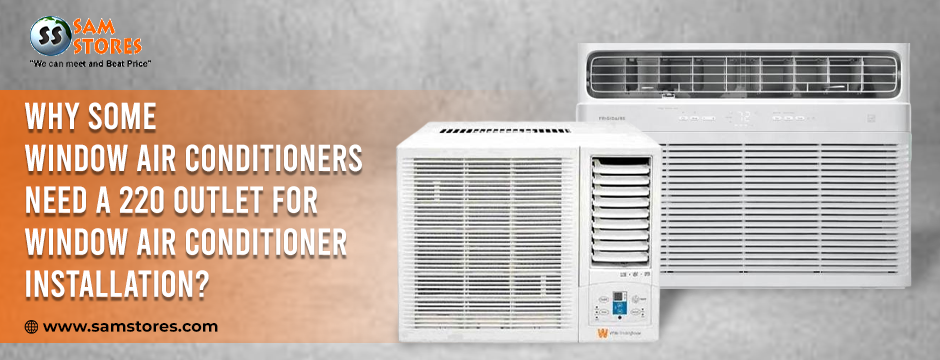
A homeowner finally purchases a powerful window air conditioner after weeks of comparing features, cooling capacity, and energy ratings. Everything seems ready for installation until an unexpected issue appears—the unit requires a different electrical outlet.
This situation is more common than many people realize. Many homeowners assume all window air conditioners use standard household plugs. However, larger cooling units often require a 220 outlet for window air conditioner installation to operate safely and efficiently.
Understanding why certain air conditioners need special outlets can prevent installation delays, electrical problems, and unnecessary expenses. This guide explains how these systems work, when special outlets become necessary, and what homeowners should know before purchasing a unit.
Why Don’t All Window Air Conditioners Use Standard Outlets?
Most small appliances operate on standard 110-120 volt household outlets. Smaller window air conditioners also follow this setup because they consume less power.
However, larger air conditioning systems require significantly more electricity to cool bigger spaces effectively. Standard outlets cannot safely handle this increased electrical demand.
That is why high-capacity units often rely on a 220-volt outlet air conditioner setup. These outlets provide higher voltage, allowing the system to operate more efficiently without overloading household circuits.
What Is A 220-Volt Outlet?
A 220-volt outlet delivers more electrical power than standard outlets. It is commonly used for appliances requiring high energy consumption.
Examples include:
- Electric dryers
- Ovens
- Water heaters
- Large air conditioners
Unlike regular outlets, 220-volt outlets are designed to support heavy electrical loads safely.
For homeowners installing powerful cooling systems, this setup becomes essential for stable performance and long-term safety.
How Does Voltage Affect Air Conditioner Performance?
Voltage directly impacts how efficiently an air conditioner operates. Larger units require more power to run compressors, fans, and cooling components.
A standard outlet may struggle to support these demands, leading to:
- Frequent breaker trips
- Reduced cooling efficiency
- Overheating wires
- Potential electrical hazards
A 220 outlet for window air conditioner installation ensures the unit receives the power it needs without stressing the electrical system.
Which Window Air Conditioners Usually Need A 220-Volt Outlet?
Not every window AC requires special wiring. The need depends primarily on cooling capacity and energy demand.
Smaller Units
Units designed for compact rooms usually operate on standard outlets. These models typically range between 5,000 and 12,000 BTUs.
Larger Cooling Systems
Air conditioners with higher BTU ratings often require a 220-volt setup.
For example:
- Larger living room units
- Multi-room cooling systems
- Heavy-duty cooling appliances
A 220-volt 18000 BTU air conditioner commonly falls into this category because it requires more electrical power for effective cooling.
Why Do Powerful Air Conditioners Require More Electricity?
Cooling larger spaces demands stronger compressors and motors. These components consume substantial electricity during operation.
Higher voltage allows the system to transfer power more efficiently while reducing strain on electrical wiring.
This setup offers several advantages:
- Better cooling performance
- Reduced energy loss
- Improved operational stability
- Lower risk of overheating
For homeowners investing in larger systems, a dedicated outlet becomes a practical necessity rather than an optional feature.
Signs Your Air Conditioner May Need A Special Outlet
Many homeowners discover electrical requirements only after purchasing a unit. Fortunately, several indicators can help identify this earlier.
High BTU Ratings
Units above 15,000 BTUs often require 220-volt outlets.
Large Plug Configuration
If the plug appears different from standard appliances, it likely requires specialized electrical support.
Manufacturer Specifications
Product manuals clearly state voltage requirements. Checking specifications before purchase helps avoid installation issues.
Dedicated Circuit Recommendations
Many manufacturers recommend dedicated circuits for larger systems to improve safety and efficiency.
What Happens If You Use The Wrong Outlet?
Using an incompatible outlet can create serious problems.
- Circuit Breaker Trips
The system may repeatedly overload the circuit, causing breakers to shut off power.
- Electrical Damage
Improper voltage can damage internal air conditioner components over time.
- Fire Hazards
Overloaded wiring increases the risk of overheating and electrical fires.
- Reduced Cooling Efficiency
The air conditioner may struggle to operate properly, reducing overall performance.
Installing a proper 220 outlet for window air conditioner systems helps prevent these risks while ensuring stable operation.
Do You Need An Electrician for Installation?
In most cases, yes. Installing a 220-volt outlet involves electrical work that should be handled professionally.
Licensed electricians ensure:
- Proper wiring installation
- Safe circuit capacity
- Compliance with electrical codes
- Reduced safety risks
Attempting DIY electrical modifications without expertise can be dangerous and costly.
Understanding Amperage in Air Conditioners
Voltage is not the only factor homeowners should consider. Amperage also plays a critical role.
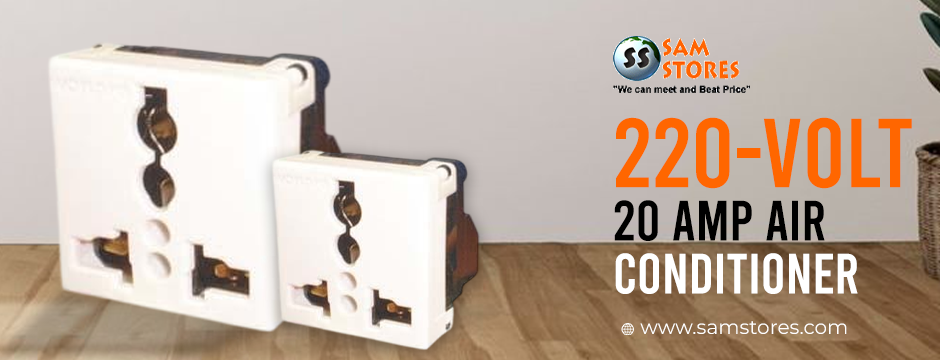
Some larger systems, including a 220-volt 20 Amp air conditioner, require circuits designed to handle higher electrical current safely.
If the circuit cannot support the required amperage, performance issues and safety risks may occur.
This is why professional evaluation before installation is strongly recommended.
How to Prepare Your Home for A 220-Volt Air Conditioner?
Proper preparation simplifies installation and improves long-term performance.
Check Existing Electrical Setup
Some homes already include 220-volt outlets for appliances like dryers. However, compatibility still requires professional verification.
Review Product Specifications
Always confirm voltage and amperage requirements before purchasing an air conditioner.
Plan Outlet Placement
Proper outlet placement improves installation convenience and reduces extension cord usage.
Hire Qualified Professionals
Professional installation ensures compliance with safety standards and protects your investment.
Energy Efficiency Benefits of 220-Volt Air Conditioners
Many homeowners assume higher voltage automatically means higher electricity bills. However, this is not always true.
A properly installed 220-volt outlet air conditioner often operates more efficiently than overloaded lower-voltage systems.
Benefits may include:
- Faster cooling performance
- Reduced strain on components
- More stable energy consumption
- Improved lifespan of the appliance
Efficiency depends on selecting the right unit for the space rather than simply choosing the most powerful option.
Choosing The Right Window Air Conditioner for Your Home
Selecting the right unit requires balancing room size, cooling needs, and electrical compatibility.
- Consider Room Size
Larger spaces require higher BTU ratings for effective cooling.
- Evaluate Electrical Capacity
Ensure the home’s electrical system can support the unit safely.
- Prioritize Energy Efficiency
Modern systems with energy-saving features reduce long-term operating costs.
- Buy from Reliable Retailers
Trusted sellers provide accurate product information and reliable customer support.
At Sam Stores, homeowners can explore a wide range of electronic appliances designed to match different household requirements and budgets.
Common Misconceptions about 220-Volt Air Conditioners
“They Always Use More Electricity”
Higher voltage does not automatically mean excessive energy consumption. Efficient systems often perform better while using energy more effectively.
“Only Commercial Buildings Need Them”
Many residential properties use 220-volt systems for larger appliances, including air conditioners.
“Installation Is Extremely Complicated”
Professional electricians can typically complete installations efficiently when the home’s electrical system supports it.
Should You Upgrade to A Larger Window AC?
If smaller units struggle to cool the space effectively, upgrading may improve comfort and efficiency.
Signs an upgrade may help include:
- Uneven room temperatures
- Constant AC operation without sufficient cooling
- Increased humidity indoors
- Rising energy bills despite poor performance
In many cases, larger systems paired with proper electrical setups deliver better long-term value.
End Note
Understanding electrical requirements before purchasing an air conditioner helps homeowners avoid unnecessary complications. Larger systems often need a 220 outlet for window air conditioner installation because they require greater electrical capacity for safe and efficient operation.
From cooling performance to long-term safety, the right electrical setup makes a significant difference. Choosing compatible systems and professional installation protects both the appliance and the home.
For homeowners planning an upgrade, exploring reliable, high-performance options through Sam Stores can make the buying process smoother, safer, and more informed.
FAQs
Why does my window air conditioner need a 220-volt outlet?
Larger air conditioners require more electrical power for efficient operation. A 220 outlet for a window air conditioner safely supports this demand.
Can I plug a 220-volt air conditioner into a regular outlet?
No. Using the wrong outlet can damage the unit and create electrical safety hazards.
Does a 220-volt air conditioner cool better?
Higher-voltage systems often support larger cooling capacities, making them more effective for bigger spaces.
What size air conditioner usually needs a 220 outlet?
Units above 15,000 BTUs commonly require 220-volt outlets, including many 220-volt 18000 BTU air conditioner models.
Is professional installation necessary?
Yes. Licensed electricians ensure safe installation and compliance with electrical regulations.