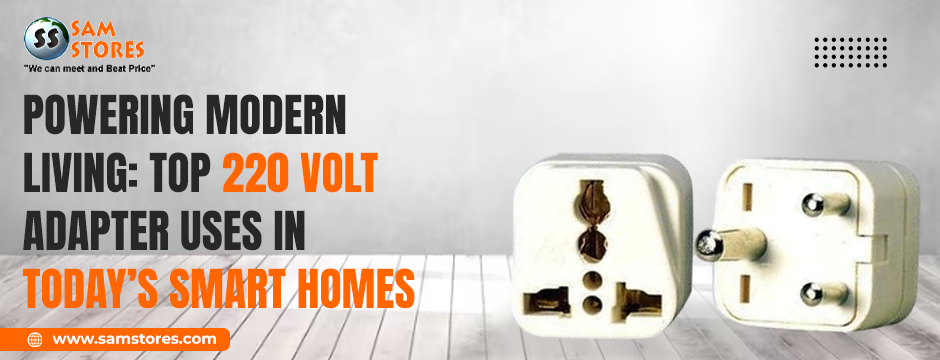
Modern homes depend on electricity more than ever before. From climate control systems to connected devices, daily comfort now relies on stable power delivery. As households integrate appliances from different regions and upgrade to smarter technology, voltage compatibility becomes essential. This is where 220 Volt adapters quietly play a powerful role.
Many homes today feature imported electronics, advanced kitchen equipment, and smart living solutions. However, not every device matches local voltage standards. Without the right adapter, even premium appliances remain unusable. A reliable power adapter (220V) bridges that gap, allowing homeowners to operate high-powered equipment safely and efficiently.
Beyond convenience, these adapters protect investments. They regulate power flow, reduce electrical stress, and help prevent damage caused by voltage mismatch.
With energy-hungry appliances becoming standard in modern households, understanding how an electrical adapter (220 volt) supports everyday living is more important than ever.
Why 220 Volt Adapters Matter in Modern Homes?
Most large household appliances require higher voltage to function efficiently. Air conditioners, refrigerators, washing machines, and ovens draw significant power during operation. An AC adapter (220V) ensures these devices receive consistent voltage, preventing overloads and performance issues.
In many regions, homes support mixed-voltage environments. Some outlets deliver lower voltage for small electronics, while others supply higher voltage for heavy-duty equipment. Adapters allow homeowners to connect appliances across these systems without rewiring or costly electrical upgrades.
They also simplify life for families using imported products. International appliances often operate on 220 volts. Instead of replacing these devices, adapters provide an affordable compatibility solution.
Most importantly, quality adapters enhance safety. They help regulate current flow, reduce heat buildup, and effectively minimize the risk of short circuits when used correctly.
Powering Essential Appliances with 220 Volt Adapters
High-wattage appliances form the backbone of modern households. These machines demand stable voltage to deliver peak performance.
Air Conditioners & Climate Control Systems
Air conditioners consume large amounts of power during startup and continuous operation. A suitable 220 V plug adapter ensures smooth performance while protecting internal compressors. Without proper voltage alignment, cooling efficiency drops and component wear increases.
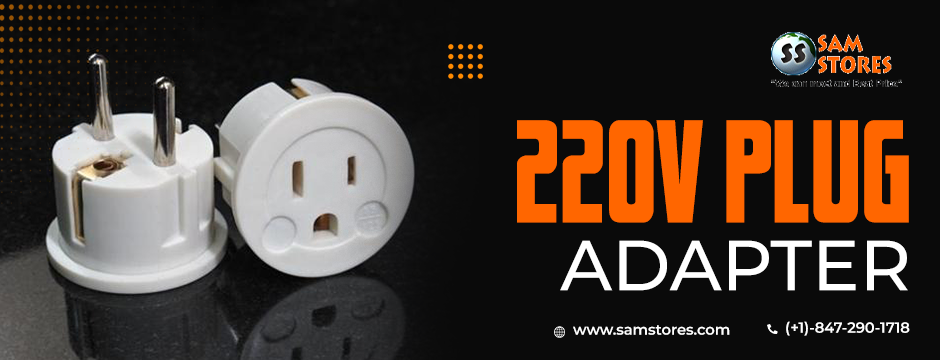
Adapters also help homeowners install split units or imported systems without modifying existing wiring. This flexibility supports faster installations and cleaner layouts.
Refrigerators And Freezers
Refrigeration systems require consistent power to maintain temperature stability. Voltage fluctuations can damage compressors and reduce food preservation efficiency.
Using a 220 Volt electrical adapter helps refrigerators operate within their designed parameters. It also minimizes energy loss and supports quieter operation.
For smart refrigerators with digital panels, stable voltage becomes even more critical.
Washing Machines And Laundry Equipment
Modern washing machines combine motors, heaters, and control boards. These components perform best when supplied with a steady voltage.
A 220 Volt electrical AC adapter supports proper heating cycles, balanced drum rotation, and reliable electronic controls. This reduces breakdown risks and extends appliance lifespan, especially for imported or high-capacity models.
Supporting Electronics And Smart Home Devices
While adapters often serve large appliances, they also support today’s expanding ecosystem of electronics and smart devices.
Many smart ovens, induction cooktops, and home automation hubs operate on higher voltage. Adapters make integration seamless, allowing homeowners to build connected environments without replacing existing outlets.
Smart home controllers, surveillance systems, and energy management devices also benefit from regulated power input. Stable voltage ensures uninterrupted connectivity and accurate sensor readings.
In hybrid homes where both traditional appliances and smart technology coexist, adapters act as compatibility bridges. They simplify setup while maintaining performance across different device categories.
Key Benefits of Using 220 Volt Adapters at Home
When chosen carefully, these adapters deliver more than basic connectivity. They contribute to efficiency, safety, and long-term savings.
Some practical advantages include:
- Improved appliance performance through a consistent voltage supply
- Reduced risk of overheating and electrical damage
- Easier integration of imported or specialty equipment
- Protection for sensitive electronic components
- Flexibility without expensive rewiring
Adapters also support energy-conscious living. Therefore, by helping appliances operate within designed voltage ranges, they reduce wasted electricity and improve overall efficiency.
Practical Advice for Safe Household Use
Although 220 V plug adapters offer convenience, safe usage remains essential. Improper handling or low-quality products can introduce electrical hazards.
Choose Certified, High-Quality Adapters
Always select adapters with proper safety certifications and durable construction. Look for heat-resistant casing, secure connectors, and internal surge protection.
Avoid ultra-cheap options that lack insulation or grounding. These often fail under load and increase fire risk.
Match Adapter Ratings to Appliance Requirements
Check wattage and current ratings before connecting any device. Adapters should comfortably exceed appliance power needs.
Using under-rated adapters leads to overheating and premature failure. When in doubt, choose higher-capacity models for heavy appliances.
Avoid Overloading Single Outlets
Never connect multiple high-wattage appliances to one adapter or outlet. Spread loads across different circuits whenever possible.
Overloading increases temperature buildup and strains household wiring.
Keep Adapters Well-Ventilated
Adapters generate heat during operation. Place them in open areas away from curtains, carpets, or enclosed cabinets.
Proper airflow prevents internal component damage and extends service life.
Inspect Regularly for Wear
Periodically check adapters for cracks, loose plugs, or discoloration. Replace any unit showing signs of damage immediately.
Preventive maintenance of a 220 Volt adapter costs far less than appliance repair or electrical incidents.
Integrating Adapters into Future-Ready Homes
As homes become smarter, electrical demands will continue rising. From electric cooking to climate automation, voltage compatibility will remain a key consideration.
Forward-thinking homeowners now plan electrical layouts that accommodate adapters strategically. Dedicated high-voltage outlets, surge protection systems, and organized cable management improve both safety and aesthetics.
Adapters also support evolving lifestyles. Remote workstations, home gyms, and entertainment rooms often introduce new equipment with varying power needs. With the right adapters, spaces adapt quickly without structural changes.
End Note
220 Volt adapters may appear simple, yet they play a vital role in powering modern homes. They enable high-performance appliances, support smart technologies, and protect valuable electronics from voltage mismatch.
From air conditioners and refrigerators to connected kitchen devices, these adapters ensure everything runs smoothly under one roof. So, when selected wisely and used responsibly, they enhance comfort, efficiency, and safety across daily life. So, if you want to purchase a 220 Volt adapters, visit Sam Stores today.