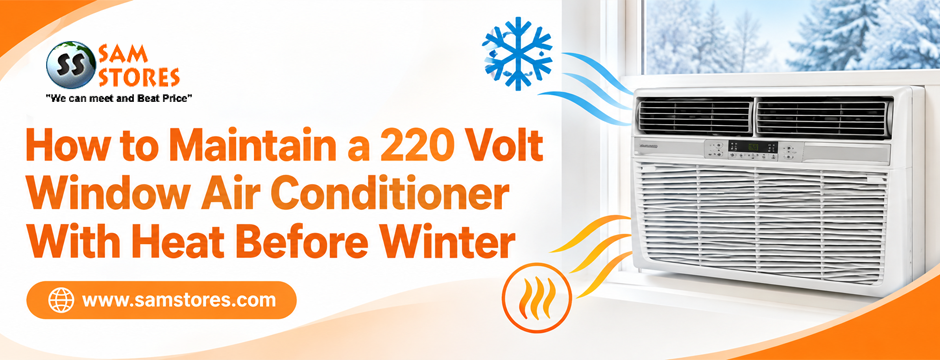
When temperatures begin to drop, the last thing you want is to switch on your heating system and discover that it is blowing cold air, making unusual noises or struggling to warm the room. If you rely on a window air conditioner that also provides heating, a little preparation before winter can help prevent these problems and keep your home comfortable.
A 220 volt window air conditioner with heat needs attention before the colder months arrive, particularly if it has spent much of the summer cooling your home. Dust can collect on the filters and coils, drainage channels can become blocked, and outdoor debris can interfere with airflow. These issues may affect heating performance when you need it most.
Whether you use your unit in a bedroom, home office, apartment or living area, proper maintenance can help it operate efficiently and reduce the likelihood of unexpected repairs. For customers exploring heating and cooling appliances, Sam Stores offers a useful starting point for comparing options and understanding which specifications matter before making a purchase.
Why Should You Maintain Your Window AC Before Winter?
A window air conditioner with heating functionality performs two jobs throughout the year. Depending on its design, it may use a heat pump or electric resistance heating to warm your room. Each system has different maintenance requirements, so checking the manufacturer’s instructions is always important.
Leaving maintenance until the first cold day can lead to avoidable inconvenience. A clogged filter restricts airflow, while dirt on accessible heat exchange surfaces can interfere with heat transfer. A blocked drain may also cause water to collect where it should not.
Pre-winter maintenance offers several benefits:
- Better heating performance: Clean filters and unobstructed airflow help the appliance distribute warm air properly.
- More predictable energy use: A unit that does not struggle against restricted airflow may avoid unnecessary operating time.
- Fewer unexpected problems: Basic inspections can reveal visible damage before regular winter use begins.
- Improved indoor comfort: Proper airflow helps reduce uneven temperatures throughout the room.
- Longer service life: Following maintenance instructions and addressing problems promptly can help protect the appliance.
Maintenance cannot prevent every fault, but it gives you an opportunity to identify problems before colder weather makes them more inconvenient.
1. Clean the Air Filter Thoroughly
The air filter is one of the first things to check before winter. During summer, it collects dust, lint, pet hair and other airborne particles. If the filter becomes clogged, the unit may struggle to circulate air effectively.
Start by switching off the appliance and following the manufacturer’s instructions for removing the filter. Washable filters can usually be cleaned with water as directed in the manual. Allow the filter to dry completely before reinstalling it. Replace disposable filters rather than washing them.
Never operate the appliance without its required filter.
How often should you clean it? That depends on usage, indoor air quality and the manufacturer’s recommendations. Homes with pets, frequent cooking or heavy dust may need more frequent attention.
A clean filter is a simple maintenance task, but it can make a noticeable difference to airflow and everyday comfort.
2. Inspect the Coils and Air Vents
Dust can accumulate around the accessible parts of an air conditioner’s heat exchange surfaces. In a heat pump model, the coils transfer heat between the indoor and outdoor environments. Restricted airflow can reduce performance in both cooling and heating modes.
With the appliance switched off, inspect the accessible vents and surfaces for visible dust or obstructions. Clean only the areas identified as user-serviceable in the manufacturer’s instructions. Avoid bending delicate fins or using sharp objects to remove debris.
Do not remove sealed panels or attempt to clean internal electrical components yourself. If the coils are heavily soiled, damaged or difficult to access, arrange professional servicing.
Also check that curtains, furniture and other objects are not blocking the indoor air outlet. The unit needs room to circulate air freely if you want warm air to reach the rest of the room.
3. Check the Outdoor Side of the Unit
Window air conditioners need adequate airflow on both sides of the appliance. Leaves, dust and other debris can accumulate around the outdoor grille, especially after a windy summer or autumn.
From a safe position, inspect the exterior section for visible obstructions. Remove loose debris only when you can do so safely without leaning out of a window or disturbing the installation.
Pay attention to the mounting brackets, window frame and visible seals. The unit should remain stable, with no obvious movement, corrosion or signs of water entering the building around the opening.
If the appliance appears loose or the support structure is damaged, stop using it until the installation has been checked. Window AC units are heavy, and an unstable installation can create a serious falling hazard.
4. Check the Drainage System and Window Seals
Moisture management is another part of seasonal maintenance. Depending on the model and its operating mode, condensation may collect and drain through a designated channel or opening.
Check the drainage area for visible dirt or blockages where the manufacturer permits user cleaning. Do not drill additional drainage holes or alter the unit’s drainage design. Some appliances are designed to retain and reuse condensate under particular conditions.
Next, inspect the seal around the window frame. Damaged weatherstripping or gaps around the installation can allow cold air to enter and warm air to escape. This can make the room less comfortable and increase the amount of heating required.
Use a suitable sealing product only where appropriate for the installation, ensuring that you do not block drainage openings or required ventilation areas.
If you notice persistent water leakage, unusual condensation or signs of moisture damage, have the cause investigated before winter use.
5. Test the Heating Function Before Temperatures Drop
One of the most important pre-winter checks is making sure the heating function works correctly. Do this while the weather is still mild enough to arrange servicing if necessary.
First, read the operating instructions and confirm that your appliance is designed to provide heat. Some window AC models offer cooling only, while others include a heating function.
Set the unit to its heating mode and select a reasonable temperature above the current room temperature. Allow it to operate according to the manufacturer’s instructions.
If the appliance uses a heat pump, it may take some time to begin delivering warm air. Certain models also have a defrost cycle during cold weather, which can temporarily change their operation. These behaviours do not automatically indicate a fault.
Watch for the following warning signs:
- The unit repeatedly shuts down or trips the circuit breaker.
- Warm air never appears despite the correct settings and sufficient operating time.
- There are burning smells, sparks or unusual electrical noises.
- The appliance vibrates excessively or produces unfamiliar mechanical sounds.
- Water leaks from areas not intended for drainage.
Switch off the appliance if you notice burning smells, sparks or repeated electrical trips. Do not open electrical compartments or attempt repairs while the unit is connected to power. Contact a qualified technician.
Testing the heating mode early gives you time to arrange repairs rather than searching for urgent service during a cold spell.
6. Check Electrical Connections and Voltage Requirements
Electrical compatibility deserves particular attention with a 220 volt air conditioner heater. These appliances can have specific requirements for voltage, current, outlet configuration and circuit capacity.
Inspect the accessible plug, cord and outlet for visible damage, discolouration or signs of overheating. Do not use a unit with a damaged power cord, loose plug or scorched outlet.
Check the appliance nameplate and installation manual for its rated voltage, frequency, current and circuit requirements. Some models require a dedicated circuit. Never assume that an outlet is suitable simply because the plug fits.
A 220v to 110v adapter for air conditioner is not a universal solution for connecting a 220V appliance to a 110V supply. A simple plug adapter changes the connection shape, not the supply voltage. Even a voltage converter may be unsuitable if it cannot handle the appliance’s starting current and continuous electrical load.
If your home’s supply does not match the appliance specifications, consult the manufacturer and a qualified electrician before using it. Never improvise electrical connections or rely on an extension cord unless the manufacturer explicitly permits a suitable, correctly rated arrangement.
7. Consider Whether Your Current Unit Still Meets Your Needs
Pre-winter maintenance is also a good time to consider whether your existing appliance suits your room and usage patterns.
If the unit regularly struggles to heat the space, check for blocked airflow, damaged seals and incorrect settings before assuming that you need a replacement. If the room is consistently uncomfortable despite proper operation, the appliance may be undersized, poorly positioned or unsuitable for the local winter climate.
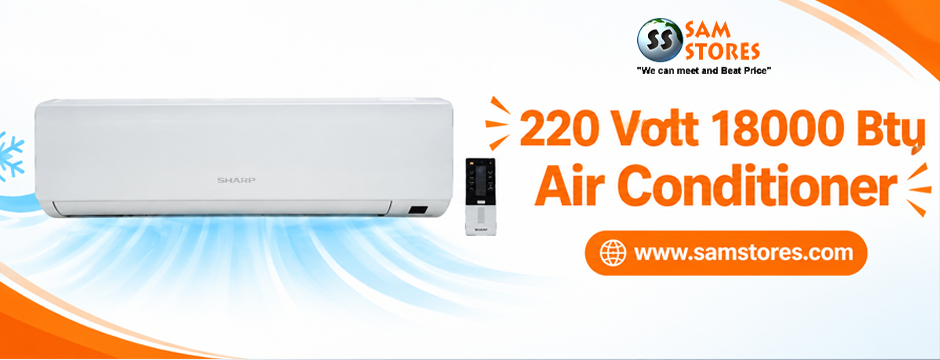
Capacity matters. For example, customers comparing a 220 volt 18000 btu air conditioner should consider room size, ceiling height, insulation, window exposure and the manufacturer’s specified heating output. The BTU rating commonly used to describe cooling capacity does not, by itself, establish how much heat the appliance can deliver in cold weather.
Look at the published heating capacity and the outdoor temperatures at which that capacity is available. A heat pump’s performance can decline in very cold conditions, and not every model is intended for severe winters.
At Sam Stores, comparing product specifications before buying can help you find equipment better suited to your home’s electrical supply and climate.
8. Should You Consider a 220 Volt Portable AC Unit?
A 220 volt portable ac unit may appeal to people who want an appliance that can be moved between suitable spaces. However, portability does not automatically mean that the unit can provide heating.
Some portable models offer cooling only, while others include heating functionality. Check the product specifications carefully, including the required exhaust arrangement, ventilation, electrical supply and heating capacity.
Portable units may also require window access for an exhaust hose, depending on their design. This can affect installation and heat loss during winter.
Before choosing between a window model and a portable appliance, compare the available floor space, noise levels, energy use and installation requirements. The most practical choice is the one that suits your room and can be operated safely throughout the season.
9. Schedule Professional Servicing When Necessary
Routine cleaning is useful, but some maintenance tasks require professional knowledge and equipment.
Arrange a service visit if the unit has weak heating performance, damaged wiring, persistent leaks, unusual mechanical noises or heavily contaminated internal components. A technician can inspect parts that are not intended for homeowner access and check for faults that basic cleaning will not resolve.
Heat pump systems may also need attention if they repeatedly struggle to heat the room or display persistent fault codes. Do not attempt to handle refrigerant, bypass safety controls or repair internal electrical components yourself.
Keep the appliance’s model number and service history available. These details can help a technician identify the correct parts and maintenance procedures.
Your Pre-Winter Window AC Maintenance Checklist
Before relying on your appliance for regular heating, work through this checklist:
- Clean or replace the air filter as instructed.
- Inspect accessible vents and surfaces for dust.
- Check the outdoor grille for visible obstructions.
- Examine the mounting and window seals for damage.
- Check the drainage area where user cleaning is permitted.
- Test the heating mode according to the manual.
- Inspect accessible electrical connections for visible damage.
- Confirm that the outlet and circuit meet the appliance requirements.
- Arrange professional service if you notice warning signs.
These checks do not replace the manufacturer’s maintenance schedule, but they provide a useful starting point before regular winter operation.
Keep Your Home Comfortable This Winter With Sam Stores
A well-maintained 220 volt window air conditioner with heat can be a practical option for households that want cooling during warmer months and heating when temperatures fall. The key is to prepare the appliance before cold weather arrives, rather than waiting until a problem interrupts your comfort.
Start with the basics: clean the filter, inspect airflow, check the installation, test the heating function and confirm that the electrical supply is suitable. If the unit shows signs of damage or poor performance, arrange professional help before continuing to use it.
If you are considering a replacement, Sam Stores can be a starting point for comparing air conditioning options. Look beyond the headline price and assess voltage compatibility, heating capacity, room size, operating requirements and seasonal performance.
A little preparation now can help you avoid unnecessary disruption later and make a more informed decision about the appliance you depend on throughout the year.
Frequently asked questions
1. How often should you clean a 220 volt window air conditioner with heat?
Clean or inspect the air filter at the intervals recommended by the manufacturer. Check it more frequently if you have pets, dust or heavy appliance use. Other components should be inspected according to the maintenance manual.
2. Why is my 220 volt window air conditioner not producing enough heat?
Possible causes include a dirty filter, blocked airflow, incorrect settings, low outdoor temperatures or a mechanical fault. Check the user-serviceable parts first. If the problem continues, arrange professional servicing.
3. Can I use a 220 volt air conditioner heater with a 110V adapter?
A basic plug adapter does not convert voltage. A 220V appliance connected to an incompatible 110V supply may not operate correctly. Check the manufacturer’s electrical specifications and consult a qualified electrician before connecting it to a different supply.
4. Does a 220 volt window AC with heat need professional maintenance before winter?
Not necessarily every year for every model, but professional servicing is advisable when the manufacturer recommends it or when you notice weak heating, electrical problems, leaks, unusual noises or other signs of a fault.
5. Is an 18000 BTU air conditioner suitable for winter heating?
It depends on the model’s heating capacity, room size, insulation and outdoor temperature. An 18000 BTU cooling rating does not guarantee the same heating output. Check the manufacturer’s heating specifications before purchasing.