Do You Really Need a Voltage Converter? The Truth for Travellers, Expats and Remote Workers

If you have ever packed for a long trip, moved to another country or tried working from a new destination, you already know the stress that comes with power sockets. You pick up your laptop charger, camera battery or hair styling tool, look at the plug and wonder if it will survive the trip. Many people shrug and say it will probably work. Others buy the first cheap adapter they find online. A few only think about it when smoke starts coming out from the appliance.

The biggest confusion comes from a simple misunderstanding. Most people think a plug adapter and a voltage converter are the same thing. They are not. The difference matters a lot because the wrong choice can destroy your gadgets within a few seconds.

At Sam Stores, we talk to thousands of travellers and expats every year. The stories we hear are nearly identical. Someone brings a high end hair dryer from the US to Europe. They plug it into a small plastic adapter and within ten seconds, there is a burning smell. Another person tries to use a gaming console in the Middle East and suddenly it shuts down forever. Many of these problems could be avoided with one tool, which is a voltage converter for electronics.

This guide is written for anyone who wants a clear, practical explanation without technical jargon. By the end, you will know when you truly need a converter, when a simple adapter is enough and how to avoid expensive mistakes that can easily ruin your devices.

Why Countries Use Different Voltage Levels

Most countries use either 110 to 120 volts or 220 to 240 volts. The United States, Canada, Japan and a few others use the lower range. Europe, Asia, Africa, Australia and the Middle East use the higher range. None of this matters when you live in the same place for years. The moment you cross borders, it matters more than many people expect.

When you plug a 110 volt device into a 220 volt outlet, the appliance receives almost double the electricity it is built to handle. That is why it burns out. When you plug a 220 volt device into a 110 volt outlet, it usually will not turn on at all because it is not getting enough power. This is where a converter adapter 110v to 220v or a step down converter becomes important.

Adapter vs Converter: Why the Difference Matters

A plug adapter only changes the shape of the plug so you can insert it into the wall. It does not change electricity. It is like putting a square peg into a round hole by adding a little plastic sleeve. Nothing changes except the shape.

A voltage converter changes the actual power. It adjusts the incoming electricity so your device receives the voltage it expects. It protects your equipment and keeps it operating safely.

A simple way to remember it:

  • If the plug doesn’t fit, you need an adapter.
  • If the voltage doesn’t match, you need a converter.
  • Most travellers need both.

Do Modern Electronics Need a Voltage Converter?

You may have heard that laptops, phone chargers and modern gadgets do not require a converter. This is partly true. Many chargers and power bricks are designed to support a wide range of voltages. You can check this by reading the fine print on the charger. It usually says something like “100 to 240V”. If that is printed on the device, then it can function in almost any country with only a plug adapter.

However, this rule does not apply to all electronics. Many popular devices still need a converter such as:

  • Hair dryers
  • Curling irons
  • Beard trimmers
  • Coffee machines
  • Kitchen mixers
  • Gaming consoles
  • Audio speakers
  • Older camera chargers
  • Mechanical equipment

Even today, a surprising number of brands do not include dual voltage support on these items. That is why the safest choice for travellers and expats who carry multiple devices is to pack a voltage converter for electronics that can handle various wattage levels.

Travel Adapters: When They Are Enough

A lot of travellers only carry a universal adapter. This works if:

  • All your chargers and devices say 100 to 240V on the label
  • You are using low wattage devices like phones, tablets, power banks or Bluetooth earphones
  • You mainly work from hotels, cafes and coworking spaces

If you fall into this group, then a converter might not be essential for you. Still, always double check the voltage label. A few seconds of reading can save you from replacing expensive gear.

When You Absolutely Need a Voltage Converter

A converter becomes essential when:

  1. Your appliance is single voltage.

If it says “110V only” or has no voltage range, it is not safe to plug it in abroad.

  1. Your device needs consistent and stable power.

Many electronics like gaming consoles, studio equipment or medical devices need stable current.

  1. You are using heat based devices.

Hair tools, kettles, steamers and irons often require a converter due to high wattage.

  1. You are moving abroad permanently.

Expats who bring their home appliances usually need converters for most items.

  1. You are a remote worker switching countries often.

A reliable converter is better than searching store to store every time you land.

A converter adapter 110v to 220v is especially useful for people from the US who travel to Europe or Asia. For the opposite direction, a step down converter from 220 to 110 volts will keep your foreign electronics protected in North America.
converter-adapter-110v-to-220v

Which Converter Should You Choose

Not all converters are the same. The right choice depends on what you want to power.

Low Wattage Converter

Good for laptops, cameras, phones, routers and similar items. Most travellers use this type.

High Wattage Converter

Designed for heavy appliances such as hair dryers, kitchen tools, heating devices and gaming systems.

Step Up Converter

If you want to use a 110 volt appliance in a 220 volt country, you need this.

Step Down Converter

If you want to use a 220 volt appliance in a 110 volt country, this is the one.

Many people buy a converter without checking wattage. This is dangerous because if your device needs 1500 watts and your converter supports only 500, the converter will overheat or shut down.

At Sam Stores, we always suggest choosing a converter that offers more wattage capacity than your device needs. This gives your electronics enough room to run safely without strain.

How to Avoid Damaging Your Devices

Here are the most common mistakes people make:

  1. Plugging a high wattage appliance into a low wattage converter.
  2. Using only a plug adapter for a single voltage device.
  3. Buying a cheap converter that overheats within minutes.
  4. Using multiple extension cords with converters.
  5. Not checking frequency differences between 50Hz and 60Hz for motors.

The safest approach is to always read the label on your device and choose a converter that supports more wattage than you need. A good converter is an investment that protects your electronics for years.

Why Buy a Converter from Sam Stores

Customers choose us because we offer converters that are reliable for regular travellers, professionals and families living overseas. Our products are tested, stable and built to handle real world usage. Many customers purchase their second or third converter from us when they move again or buy new appliances.

If you want help choosing the right model, our support team can guide you based on your appliances, travel plans and country voltage. You do not have to guess or worry about picking the wrong device.

Final Thoughts

You do not need a voltage converter every time you travel, but you do need to know when it is required. A plug adapter helps you fit your device into the wall. A converter protects your electronics by providing the voltage they expect. For anyone carrying expensive gear, heat based appliances or high wattage tools, a voltage converter for electronics is the safest and most practical choice.

Whether you are taking a short trip, planning a digital nomad lifestyle or moving abroad, having the right converter ensures that your devices stay safe and functional. It removes the stress of guessing and lets you focus on your journey.

If you want expert advice or are looking for a dependable converter that suits your needs, Sam Stores is always ready to help.
Do You Actually Need a Voltage Converter for Your Electronics When Traveling Abroad?

When you pack your bags for an international trip, you probably think about your passport, your clothes, and maybe even a universal plug adapter. But there’s one item that often gets overlooked until it’s too late: the voltage converter for electronics.

Imagine landing in Europe with your laptop or camera, only to realize that your charger won’t work because the local voltage is 220 volts while your device was built for 110 volts. Plugging it in without the right converter could fry your expensive gear within seconds. This is why travelers often ask: Do I actually need a voltage converter when going abroad? The answer depends on your devices, where you’re traveling, and how much you value your electronics.

At Sam Stores, we’ve helped thousands of global travelers and expats choose the right voltage converters, and today we’re breaking it down for you in plain language.

Why Voltage Matters When Traveling

Electricity isn’t the same everywhere. The world runs on two main voltage standards:

  • 110–120 volts (common in the United States, Canada, Japan, parts of South America)
  • 220–240 volts (used in most of Europe, Asia, Africa, and Australia)

If your device was designed for one standard and you plug it into another, you’re risking permanent damage. That’s why a 120 volt to 240 volt adapter or a 110 to 220 plug adapter isn’t just a travel accessory—it can be the difference between your phone charging safely or sparking out.

Do You Always Need a Voltage Converter?

Not always. Here’s a quick rule of thumb:

  • Check the label on your device or charger. Many modern electronics like laptops and phone chargers are dual voltage, which means they can handle both 110V and 220V automatically. If that’s the case, you’ll only need a plug adapter, not a full converter.
  • High-power appliances like hair dryers, curling irons, and coffee makers are usually not dual voltage. They need a dedicated voltage converter for electronics if you plan to use them abroad.
  • Gaming consoles, cameras, and medical devices also often require converters, especially if they’re not designed for global use.

Plug Adapter vs. Voltage Converter: Know the Difference

Many travelers confuse plug adapters with voltage converters. They’re not the same thing.

  • A plug adapter only changes the shape of your plug so it fits into a foreign outlet.
  • A voltage converter changes the electrical voltage so your device can handle the power safely.

Think of it this way: a plug adapter is like a key that fits the door, while a voltage converter is the actual guard that protects what’s inside. For high-powered electronics, both may be required.

Real-World Example

Let’s say you’re traveling from the U.S. to Germany. You want to bring your favorite hair dryer, which is designed for 120V. Germany runs on 230V. If you just use a plug adapter, the hair dryer will immediately overheat and possibly burn out. But with a proper 120 volt to 240 volt adapter that includes a voltage converter, the hair dryer runs smoothly.

Common Travel Situations Where You’ll Need a Converter

  1. Business Trips: You’re traveling with a laptop, projector, or printer that isn’t dual voltage.
  2. Study Abroad or Long-Term Stay: You’re carrying personal appliances like coffee makers, rice cookers, or shavers.
  3. Vacation with Family: Your kids’ gaming consoles or entertainment devices may need safe conversion.
  4. Medical Necessities: Devices like CPAP machines or other health-related electronics often require stable voltage.

The Hidden Cost of Not Using a Converter

Let’s talk numbers. Replacing a fried MacBook charger abroad can cost over $100. A damaged DSLR camera power supply? Easily $300 or more. Burned-out gaming consoles? That’s $500 down the drain. Compare that with the cost of a reliable voltage converter for electronics from Sam Stores, and it’s clear which option is more budget-friendly.

Choosing the Right Voltage Converter

Not all converters are created equal. Here’s what to look for before you buy:

  1. Wattage Capacity – Make sure the converter can handle the power load of your device. A hair dryer uses far more watts than a phone charger.
  2. Step-Up vs. Step-Down – If you’re going from the U.S. to Europe, you’ll need a step-down converter (converts 220V to 110V). If you’re taking European devices to the U.S., you’ll need a step-up converter (converts 110V to 220V).
  3. Size and Portability – Travelers often prefer lightweight, compact converters that don’t take up much luggage space.
  4. Multiple Outlets and USB Ports – A good converter can handle several devices at once, saving you from carrying multiple chargers.

At Sam Stores, we stock converters for every situation—from pocket-sized models perfect for a weekend getaway to heavy-duty units for long-term relocations.

Why Buy From Sam Stores?

When shopping for electronics accessories, the internet is flooded with cheap, unreliable options. But here’s why savvy travelers trust Sam Stores:

  • Expert Guidance: Our team has decades of experience in international electronics. We’ll help you pick the right solution for your travel needs.
  • Quality You Can Rely On: We stock only tested, certified converters designed to protect your valuable electronics.
  • Competitive Pricing: Whether you need a basic 110 to 220 plug adapter or a professional-grade converter, we offer affordable options without compromising safety.
  • Customer Service That Cares: Traveling can be stressful, but finding the right power solution doesn’t have to be. Our support team is here to guide you before and after your purchase.

Tips for Traveling Smart With Electronics

  • Pack light and only bring the essentials. Don’t risk carrying multiple high-power appliances that will need heavy converters unless absolutely necessary.
  • Label your converters. If you’re carrying more than one, mark them for the device they’re intended for.
  • Don’t overload. Never plug in more devices than the converter is rated for.
  • Test before you travel. Run your device with the converter at home to ensure everything works smoothly.

Final Thoughts

So, do you actually need a voltage converter for your electronics when traveling abroad? The honest answer is: it depends on your devices. If your gear is dual voltage, you’re safe with just a plug adapter. But if not, skipping the converter can cost you hundreds of dollars in damage and unnecessary stress.

The good news? You don’t have to guess. At Sam Stores, we make it simple to find the right voltage converter for electronics that matches your travel plans. Whether you need a 120 volt to 240 volt adapter, a 110 to 220 plug adapter, or a high-capacity step-up/step-down converter, we’ve got you covered.

Protect your electronics. Travel smarter. And let Sam Stores be your trusted partner every step of the way.

Ready to safeguard your devices? Explore our full range of voltage converters and plug adapters at Sam Stores today. Shop with confidence and travel with peace of mind knowing your electronics are in safe hands.

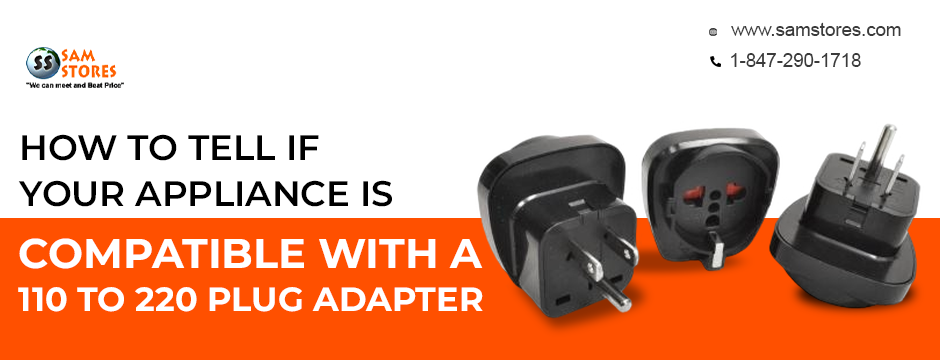
How to Tell If Your Appliance Is Compatible with a 110 to 220 Plug Adapter

When you’re traveling overseas or moving to a new country, one small yet crucial detail can make or break your experience—whether your appliances will work with the local power supply. This is where a 110 to 220 plug adapter comes in. But here’s the challenge: not every appliance is designed to handle a different voltage. If you plug in the wrong device without checking compatibility, you could damage your electronics beyond repair.

At Sam Stores, we’ve helped thousands of customers avoid costly mistakes by choosing the right converter adapter 110v to 220v and understanding how to check their appliance compatibility. In this guide, you’ll learn exactly how to determine if your device is safe to use, how adapters work, and how to pick the right one for your needs—so you can travel, relocate, or shop internationally with confidence.

Why Voltage Matters More Than You Think

Electricity isn’t the same everywhere. In the United States, most household outlets supply 110–120 volts, while in many parts of Europe, Asia, and Africa, the standard is 220–240 volts. Plug shapes also vary from country to country, which is why travelers often carry a plug adapter.

However, a 110 to 220 plug adapter only changes the plug shape so it fits into the outlet. It doesn’t automatically adjust the voltage. That’s where many people get confused—and where expensive mistakes happen.

If your appliance isn’t built to handle the higher voltage, plugging it directly into a 220V outlet with only a basic adapter can cause overheating, short circuits, or complete failure.

Step 1: Check Your Appliance’s Voltage Rating

The first step in determining compatibility is to read your appliance’s voltage label. This is usually printed on the device itself, often near the power cord or plug, or on the bottom or back panel.

You’ll see something like:

  • “110V” or “120V only” – Single voltage, not safe to use in a 220V country without a voltage converter.
  • “220V” or “240V only” – Single voltage, not safe to use in a 110V country without conversion.
  • “110–240V” or “100–240V” – Dual voltage, safe to use worldwide with just a plug adapter.

If your device says “100–240V,” congratulations—you only need a 110 to 220 plug adapter for the shape, not a converter. But if it lists only one voltage, you’ll need a converter adapter 110v to 220v to safely step up or step down the power.

Step 2: Understand the Difference Between Plug Adapters and Voltage Converters

Here’s where many travelers get caught off guard. A plug adapter simply allows your appliance’s plug to fit into a differently shaped outlet. It does not change the voltage. A converter adapter 110v to 220v, on the other hand, does both—it converts the voltage and adapts the plug.

If you own a dual-voltage appliance like most modern laptops, smartphones, or camera chargers, a plug adapter is enough. But if you have single-voltage appliances like older hair dryers, electric shavers, or certain kitchen appliances, you’ll need a converter to prevent damage.

Step 3: Identify High-Power vs. Low-Power Devices

Not all appliances are created equal when it comes to power consumption. Some electronics require very little power and can work safely with a small travel adapter. Others pull significant wattage and need a heavy-duty converter.

  • Low-Power Devices: Smartphones, tablets, laptops, camera chargers, electric toothbrushes.
  • High-Power Devices: Hair dryers, curling irons, coffee makers, irons, heaters.

Many high-power devices are single-voltage and require a converter when used abroad. Always check the wattage rating, which should be printed alongside the voltage. If your converter can’t handle the wattage, it may overheat or fail.

Step 4: Watch Out for Frequency Differences

Even if your appliance matches the voltage, there’s another factor—frequency. Electrical frequency is measured in Hertz (Hz) and varies between countries (50Hz in most of the world, 60Hz in North America). Some appliances, especially those with motors or timers, may run slower or faster depending on the frequency. This won’t usually damage the device, but it can affect performance.

If your device says 50/60Hz, it’s compatible in both systems. If it lists only one, check the manufacturer’s guidelines.

Step 5: Use the Right Adapter for Your Destination

Not every country uses the same plug shape. For example:

  • Type A/B: USA, Canada, Japan
  • Type C/E/F: Most of Europe
  • Type G: UK, Ireland, Singapore
  • Type I: Australia, New Zealand, China

A universal 110 to 220 plug adapter can save you the hassle of buying multiple adapters for different countries. At Sam Stores, we carry versatile models that combine plug shape conversion with voltage transformation, making them ideal for international travelers.

Common Myths About Plug Adapters

Myth 1: All adapters convert voltage

False. Most inexpensive adapters do not convert voltage at all.

Myth 2: Dual-voltage devices don’t need adapters

They still need a plug adapter for the correct shape.

Myth 3: Frequency doesn’t matter

It can affect certain devices, especially clocks, turntables, or appliances with motors.

Why Buying Quality Matters

Cheap, low-quality adapters may fail unexpectedly or cause overheating. At Sam Stores, we offer only tested, reliable converter adapter 110v to 220v options that are designed for safety, durability, and performance. We know that when you’re in another country, you can’t afford to have your equipment fail.

Sam Stores’ Recommendations for Different Needs

  1. Frequent Travelers – Invest in a universal dual-purpose adapter/converter that works in 150+ countries.
  2. Business Professionals – Choose a compact, lightweight adapter with surge protection for laptops and sensitive electronics.
  3. Students Studying Abroad – Select a multi-port adapter that charges multiple devices at once.
  4. Expats Moving Overseas – Go for a high-capacity converter adapter 110v to 220v to handle kitchen appliances, entertainment systems, and more.
  1. Check the voltage on your appliance.
  2. Look for the wattage rating to ensure your converter can handle it.
  3. Confirm the frequency compatibility if applicable.
  4. Select the correct plug shape for your destination.
  5. Choose a quality brand for safety and reliability.

The Bottom Line

Knowing whether your appliance is compatible with a 110 to 220 plug adapter can save you money, prevent damage, and give you peace of mind while traveling or relocating. The key is to check the voltage, wattage, and frequency before you pack.

At Sam Stores, we specialize in helping customers choose the right adapter or converter for their needs. Whether you need a basic plug adapter for your dual-voltage laptop or a heavy-duty converter adapter 110v to 220v for your home appliances, we’ve got you covered with products that are built for safety and performance.

Don’t risk damaging your electronics. Shop with Sam Stores today and travel with confidence.

Tips to Choose the Right Power Converter and Adapter While Travelling Abroad

Perhaps you’re traveling for work and need to bring your laptop with you, or maybe you’re heading off on vacation and want to make sure all of your electronics are ready for the journey. Either way, if you think you’ll need a 220-volts converter or adapter, it pays to do your research beforehand.

Continue readingTips to Choose the Right Power Converter and Adapter While Travelling Abroad

Why It Is Beneficial To Use 110 Volt To 220 Volt Converter?

To convert 110 volt to 220 volt, you will need a step-up converter. This type of converter is common in US households since the entire country runs on 110v electrical systems. Step-up converters are useful not only at home but also when traveling abroad. Here are some of the reasons why:

Continue reading “Why It Is Beneficial To Use 110 Volt To 220 Volt Converter?”