A Practical Guide for Safe Power Conversion
Electricity powers nearly every device we use in our daily lives. However, not every country follows the same electrical standards. In the United States, the typical household voltage is 110–120 volts, while many countries across Europe, Asia, and the Middle East operate on 220–240 volts. Because of this difference, international appliances cannot always be used directly in American homes.
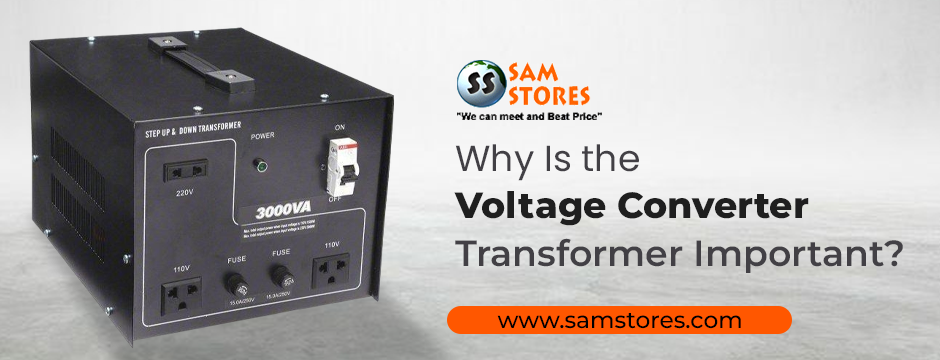
This is where a voltage converter transformer 110 to 220 becomes essential. It allows you to safely operate devices that require higher voltage while living in the United States. Whether you are importing appliances, traveling with electronics, or setting up professional equipment, the right voltage converter protects your devices and ensures reliable performance.
In this guide, we will explain why voltage converters are important in the USA, how they work, and how you can choose the right one for your needs.
Understanding the Voltage Converter Transformer 110 to 220
When you purchase or bring an appliance from a country that uses 220–240 volts, it will not receive enough power from the standard 110V supply in the United States. In many cases, the device simply will not operate.
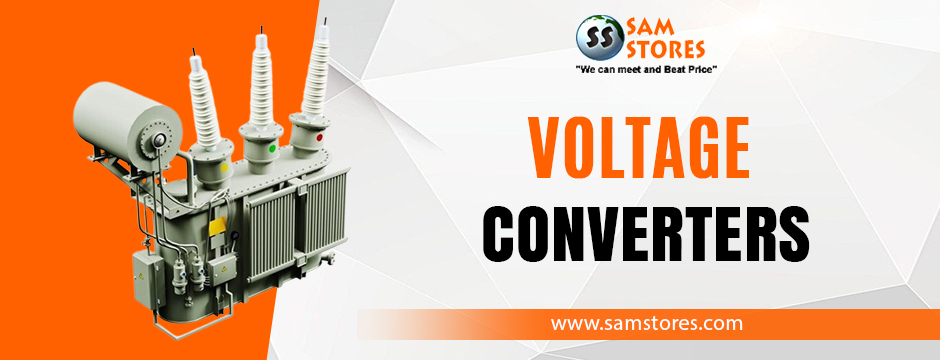
A voltage converter transformer, 110 to 220, solves this problem by increasing the electrical voltage from 110 volts to 220 volts. As a result, you can safely run appliances designed for higher voltage systems without modifying your home’s electrical wiring.
Inside the transformer, copper coils and magnetic components convert the voltage through electromagnetic induction. Consequently, the device receives stable and consistent power for proper operation.
For example, if you import a European espresso machine or kitchen appliance that requires 220 volts, you can use it in the USA with a voltage converter transformer.
Furthermore, these converters are widely used in American homes, research labs, and technical workspaces that rely on international equipment.
Why Voltage Differences Matter?
The United States adopted a 110–120 volt electrical system during the early development of its power grid. Meanwhile, many other regions chose higher voltage standards because they allowed efficient electricity transmission over long distances.
Because of these historical decisions, modern appliances are designed to match the electrical infrastructure of their region. When you try to operate a 220-volt appliance in the USA without conversion, the device may not function or may operate poorly.
Therefore, voltage conversion becomes necessary when you want to use international electronics safely.
Understanding this difference helps you avoid damaging expensive appliances and ensures they perform as expected.
Common Situations in the USA Where Voltage Converters Are Needed
Many people in the United States encounter situations where voltage conversion becomes necessary. Let’s look at some of the most common examples.
Importing International Appliances
Many American consumers purchase specialty appliances from Europe or Asia because of their unique features. However, these devices often require 220 volts. In such cases, a voltage converter transformer 110 to 220 allows you to use them safely in your home.
International Relocation
People moving to the United States frequently bring appliances from their home country. If those devices operate on 220 volts, you will need the correct converter to continue using them.
Professional Equipment
Certain laboratory tools, industrial machines, and technical instruments are designed for higher voltage systems. Businesses in the USA often rely on voltage converters to operate this imported equipment efficiently.
Specialty Kitchen and Coffee Equipment
Many premium espresso machines and culinary appliances are manufactured for 220V systems. A voltage converter allows American users to enjoy these devices without replacing them.
How Voltage Converters Work?
Voltage converters rely on a fundamental electrical principle called electromagnetic induction.
Inside the transformer, electricity flows through copper windings. The arrangement of these windings determines whether the voltage increases or decreases.
When the secondary coil has more turns than the primary coil, the voltage increases. Conversely, fewer turns reduce the voltage.
Modern converters also include safety features such as:
- Overload protection
- Built-in fuses
- Thermal protection
- Cooling systems
These features help protect both your appliances and your home’s electrical system.
How to Choose the Right Voltage Converter?
Selecting the right converter ensures your devices operate safely and efficiently.
Check Appliance Wattage
Every appliance has a power rating measured in watts. Your converter must support a higher wattage than the device you plan to use.
For example, if your appliance requires 600 watts, choosing a 1000-watt converter provides a safe operating margin.
Confirm the Voltage Requirement
Always verify the voltage rating printed on your appliance. If it requires 220 volts, you will need a voltage converter transformer 110 to 220.
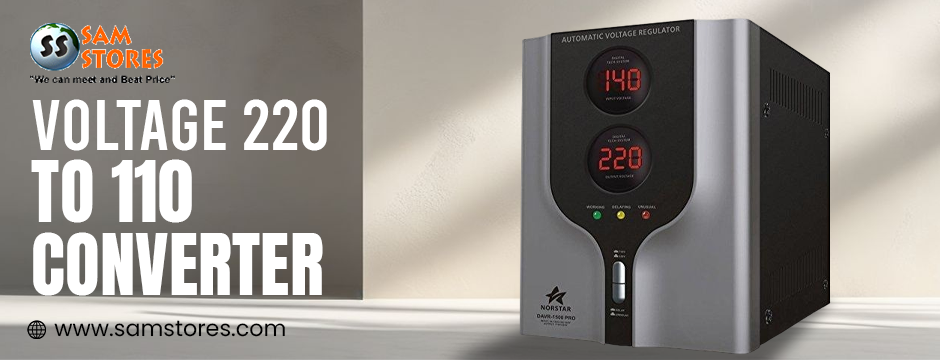
However, if your device operates on 110 volts and you are using it abroad, a voltage 220 to 110 converter will be necessary.
Choose Continuous-Use Transformers
Some travel converters are designed only for short-term use. For household appliances in the USA, you should choose a converter designed for continuous operation.
Look for Safety Certifications
Quality converters often include safety certifications and durable construction. These features ensure reliable performance and long-term protection.
Safety Tips for Using Voltage Converters
Using voltage converters responsibly helps protect your appliances and electrical system.
First, always check the power rating before connecting a device. Overloading a converter can cause overheating.
Second, avoid connecting multiple high-power appliances to a single converter.
Third, place the converter in a well-ventilated area because transformers generate heat during operation.
Finally, unplug the converter when it is not in use. This reduces energy consumption and improves safety.
Benefits of Using a Voltage Converter Transformer
Voltage converters provide several important advantages for users in the United States.
Device Protection
Your electronics receive the correct voltage, preventing damage to internal components.
Cost Savings
You can continue using imported appliances without replacing them.
Global Compatibility
Converters allow American users to operate devices purchased from different countries.
Convenience
Whether you are running a specialty appliance or professional equipment, converters simplify international power compatibility.
Because of these benefits, voltage converters are essential for many households and businesses in the USA.
Real-World Applications in American Homes and Businesses
Voltage converters are widely used across different environments in the United States.
Homeowners often use them for imported kitchen appliances and high-end coffee machines. International students and expatriates rely on them to power personal devices from their home countries.
Businesses importing machinery or laboratory equipment also depend on converters to operate specialized tools safely.
In all these situations, the right voltage converter ensures reliable performance and protects valuable electronics.
Find the Right Voltage Converter for Your Global Appliances
If you’re looking for a reliable way to power international appliances in the United States, choosing the right voltage converter is essential. At Sam Stores, you can explore a wide range of step-up and step-down voltage converters designed for different power needs, from compact travel converters for small electronics to heavy-duty transformers capable of supporting high-wattage appliances like irons, televisions, and kitchen equipment.
With options that include automatic voltage regulators, multi-input converters, and models built for continuous use, you can easily find a solution that matches your device requirements. Whether you need a lightweight converter for travel or a powerful transformer for home or professional use, browse the available options at Sam Stores and choose a model that keeps your electronics running safely and efficiently.
Final Thoughts
Voltage differences between countries can create serious challenges when using international appliances in the United States. Fortunately, the right equipment makes voltage conversion safe and simple.
A voltage converter transformer 110 to 220 allows appliances designed for higher voltage systems to operate efficiently on the 110V power supply used in American homes. Meanwhile, a voltage 220 to 110 converter helps American electronics function safely in countries with higher voltage systems.
By understanding your appliance requirements and choosing the correct converter, you can protect your electronics and enjoy seamless global compatibility.