
Do You Really Need a Voltage Converter? The Truth for Travellers, Expats and Remote Workers

If you have ever packed for a long trip, moved to another country or tried working from a new destination, you already know the stress that comes with power sockets. You pick up your laptop charger, camera battery or hair styling tool, look at the plug and wonder if it will survive the trip. Many people shrug and say it will probably work. Others buy the first cheap adapter they find online. A few only think about it when smoke starts coming out from the appliance.

The biggest confusion comes from a simple misunderstanding. Most people think a plug adapter and a voltage converter are the same thing. They are not. The difference matters a lot because the wrong choice can destroy your gadgets within a few seconds.

At Sam Stores, we talk to thousands of travellers and expats every year. The stories we hear are nearly identical. Someone brings a high end hair dryer from the US to Europe. They plug it into a small plastic adapter and within ten seconds, there is a burning smell. Another person tries to use a gaming console in the Middle East and suddenly it shuts down forever. Many of these problems could be avoided with one tool, which is a voltage converter for electronics.

This guide is written for anyone who wants a clear, practical explanation without technical jargon. By the end, you will know when you truly need a converter, when a simple adapter is enough and how to avoid expensive mistakes that can easily ruin your devices.

Why Countries Use Different Voltage Levels

Most countries use either 110 to 120 volts or 220 to 240 volts. The United States, Canada, Japan and a few others use the lower range. Europe, Asia, Africa, Australia and the Middle East use the higher range. None of this matters when you live in the same place for years. The moment you cross borders, it matters more than many people expect.

When you plug a 110 volt device into a 220 volt outlet, the appliance receives almost double the electricity it is built to handle. That is why it burns out. When you plug a 220 volt device into a 110 volt outlet, it usually will not turn on at all because it is not getting enough power. This is where a converter adapter 110v to 220v or a step down converter becomes important.

Adapter vs Converter: Why the Difference Matters

A plug adapter only changes the shape of the plug so you can insert it into the wall. It does not change electricity. It is like putting a square peg into a round hole by adding a little plastic sleeve. Nothing changes except the shape.

A voltage converter changes the actual power. It adjusts the incoming electricity so your device receives the voltage it expects. It protects your equipment and keeps it operating safely.

A simple way to remember it:

  • If the plug doesn’t fit, you need an adapter.
  • If the voltage doesn’t match, you need a converter.
  • Most travellers need both.

Do Modern Electronics Need a Voltage Converter?

You may have heard that laptops, phone chargers and modern gadgets do not require a converter. This is partly true. Many chargers and power bricks are designed to support a wide range of voltages. You can check this by reading the fine print on the charger. It usually says something like “100 to 240V”. If that is printed on the device, then it can function in almost any country with only a plug adapter.

However, this rule does not apply to all electronics. Many popular devices still need a converter such as:

  • Hair dryers
  • Curling irons
  • Beard trimmers
  • Coffee machines
  • Kitchen mixers
  • Gaming consoles
  • Audio speakers
  • Older camera chargers
  • Mechanical equipment

Even today, a surprising number of brands do not include dual voltage support on these items. That is why the safest choice for travellers and expats who carry multiple devices is to pack a voltage converter for electronics that can handle various wattage levels.

Travel Adapters: When They Are Enough

A lot of travellers only carry a universal adapter. This works if:

  • All your chargers and devices say 100 to 240V on the label
  • You are using low wattage devices like phones, tablets, power banks or Bluetooth earphones
  • You mainly work from hotels, cafes and coworking spaces

If you fall into this group, then a converter might not be essential for you. Still, always double check the voltage label. A few seconds of reading can save you from replacing expensive gear.

When You Absolutely Need a Voltage Converter

A converter becomes essential when:

  1. Your appliance is single voltage.

If it says “110V only” or has no voltage range, it is not safe to plug it in abroad.

  1. Your device needs consistent and stable power.

Many electronics like gaming consoles, studio equipment or medical devices need stable current.

  1. You are using heat based devices.

Hair tools, kettles, steamers and irons often require a converter due to high wattage.

  1. You are moving abroad permanently.

Expats who bring their home appliances usually need converters for most items.

  1. You are a remote worker switching countries often.

A reliable converter is better than searching store to store every time you land.

A converter adapter 110v to 220v is especially useful for people from the US who travel to Europe or Asia. For the opposite direction, a step down converter from 220 to 110 volts will keep your foreign electronics protected in North America.
converter-adapter-110v-to-220v

Which Converter Should You Choose

Not all converters are the same. The right choice depends on what you want to power.

Low Wattage Converter

Good for laptops, cameras, phones, routers and similar items. Most travellers use this type.

High Wattage Converter

Designed for heavy appliances such as hair dryers, kitchen tools, heating devices and gaming systems.

Step Up Converter

If you want to use a 110 volt appliance in a 220 volt country, you need this.

Step Down Converter

If you want to use a 220 volt appliance in a 110 volt country, this is the one.

Many people buy a converter without checking wattage. This is dangerous because if your device needs 1500 watts and your converter supports only 500, the converter will overheat or shut down.

At Sam Stores, we always suggest choosing a converter that offers more wattage capacity than your device needs. This gives your electronics enough room to run safely without strain.

How to Avoid Damaging Your Devices

Here are the most common mistakes people make:

  1. Plugging a high wattage appliance into a low wattage converter.
  2. Using only a plug adapter for a single voltage device.
  3. Buying a cheap converter that overheats within minutes.
  4. Using multiple extension cords with converters.
  5. Not checking frequency differences between 50Hz and 60Hz for motors.

The safest approach is to always read the label on your device and choose a converter that supports more wattage than you need. A good converter is an investment that protects your electronics for years.

Why Buy a Converter from Sam Stores

Customers choose us because we offer converters that are reliable for regular travellers, professionals and families living overseas. Our products are tested, stable and built to handle real world usage. Many customers purchase their second or third converter from us when they move again or buy new appliances.

If you want help choosing the right model, our support team can guide you based on your appliances, travel plans and country voltage. You do not have to guess or worry about picking the wrong device.

Final Thoughts

You do not need a voltage converter every time you travel, but you do need to know when it is required. A plug adapter helps you fit your device into the wall. A converter protects your electronics by providing the voltage they expect. For anyone carrying expensive gear, heat based appliances or high wattage tools, a voltage converter for electronics is the safest and most practical choice.

Whether you are taking a short trip, planning a digital nomad lifestyle or moving abroad, having the right converter ensures that your devices stay safe and functional. It removes the stress of guessing and lets you focus on your journey.

If you want expert advice or are looking for a dependable converter that suits your needs, Sam Stores is always ready to help.
Installation Guide: Avoiding Common Mistakes When Installing a 220 V Window AC in Older Buildings

If you live in an older building, installing a 220 volt window AC can be both a comfort upgrade and a technical challenge. Many Indian homes and apartments built before the 2000s were not designed to handle today’s high-load appliances. Aging wiring, narrow window frames, and limited ventilation often make homeowners hesitant to take the plunge. Yet, with the right guidance, you can enjoy efficient cooling without electrical worries or wasted energy.

At Sam Stores, we help homeowners make confident choices about cooling systems. Whether you’re buying a 220 volt air conditioner for the first time or replacing an older model, this step-by-step guide will help you install it correctly and avoid the most common pitfalls that lead to performance issues or safety risks.

Understanding the Basics: Why Voltage Matters

A 220 volt window air conditioner operates on a higher voltage than smaller 110 V units. This allows it to draw power more efficiently and deliver stronger cooling output for larger rooms. In most Indian homes, the standard voltage is already around 220-240 V, making it compatible. However, older buildings may have outdated or corroded wiring that cannot safely handle the sustained load of a heavy-duty window unit.

Before purchasing, confirm that your home’s electrical wiring and circuit breaker are rated for 15 amps or higher. If your home still has aluminum wiring or single-strand cables, consult a licensed electrician for an inspection. Investing in a wiring upgrade may seem inconvenient, but it ensures your 220 volt window AC runs smoothly and safely for years.

Planning the Perfect Spot for Installation

Choosing the right location is just as important as the equipment itself. Many homeowners overlook basic placement factors that affect performance and lifespan.

Ideal placement tips:

  • Avoid direct sunlight: If your window faces west or south, the sun’s rays can force the AC to work harder. Consider using shades, curtains, or exterior blinds to reduce heat load.
  • Ensure structural stability: The window frame must be strong enough to support the unit’s weight. Reinforce weak or wooden frames with a steel bracket.
  • Accessibility matters: Choose a window that allows easy access for cleaning, servicing, and drainage checks.

The right placement can make a big difference in cooling efficiency and electricity consumption, especially during peak summer months.

Check Your Electrical Setup Before Installation

Old flats often have limited electrical points and aging circuit boards. Before mounting your 220 volt air conditioner, carry out a few key checks:

  • Dedicated circuit: Ideally, your window AC should have its own circuit with a dedicated breaker. Sharing the line with other heavy appliances like washing machines or refrigerators can lead to tripping or overheating.
  • Earthing connection: Proper earthing prevents electrical shocks and damage to internal components. Ask your electrician to verify that the grounding system is intact.
  • Voltage stability: In areas with frequent voltage fluctuations, a good-quality voltage stabilizer rated for 220 V appliances is a must. It protects your AC from sudden surges that can damage the compressor or circuit board.

For added peace of mind, Sam Stores offers professional installation support through certified technicians who understand the technical nuances of 220 V systems.

Mounting the Unit: Doing It Right the First Time

Mounting a 220 volt window AC may look simple, but precision is key to performance and safety. Improper tilt angles or loose fittings can cause water leakage, vibration noise, or even unit failure.

Step-by-step mounting guide:

  1. Measure carefully: Ensure your window opening matches the AC’s dimensions. The unit should fit snugly without gaps that allow hot air or insects inside.
  2. Install support brackets: Use a heavy-duty steel bracket to bear the weight of the AC. This is especially crucial for older buildings with weaker window sills.
  3. Tilt slightly outward: The back of the AC should tilt about half an inch outward to allow condensate water to drain naturally.
  4. Seal the gaps: Use foam insulation strips or weather-proof sealant to fill any small gaps around the unit. This prevents cool air from escaping and improves energy efficiency.
  5. Secure firmly: Once mounted, double-check all bolts and brackets. The AC should not wobble or rattle when it runs.

A clean, firm, and properly aligned installation reduces long-term wear and tear and keeps your AC running quietly.

Ensuring Proper Ventilation and Airflow

Window ACs release hot exhaust air through the back, which needs free airflow to operate efficiently. In older buildings with narrow alleys or closed balconies, this often becomes a problem.

  • Keep at least 20 inches of clearance behind the unit.
  • Remove any obstacles like flower pots or grills that block ventilation.
  • Clean dust from the rear coil regularly to maintain optimal heat exchange.

Poor ventilation can make the compressor overheat, consume more power, and shorten its lifespan. Regular maintenance, especially before summer, is the best way to avoid expensive repairs later.

Noise and Vibration Control

Older window frames often amplify vibration and noise. Over time, constant rattling can loosen joints and cause cracks. To minimize disturbance:

  • Place rubber padding or anti-vibration mats between the frame and AC base.
  • Tighten screws periodically to prevent resonance.
  • Avoid placing heavy curtains or furniture directly against the unit.

If you live in a densely populated area or apartment block, a quiet setup will also keep your neighbors happy.

Managing Heat Exposure in West-Facing Rooms

Rooms exposed to harsh afternoon sun tend to get warmer, putting extra strain on the AC. If your flat has west-facing windows, follow these quick adjustments:

  • Use reflective films or light-colored curtains to deflect sunlight.
  • Add an external awning above the window.
  • Combine your 220 volt window air conditioner with a ceiling fan to circulate cool air faster.
  • Pre-cool the room by running the AC on medium for 15 minutes before peak heat hours.

Small adjustments can lower energy use and extend compressor life significantly.

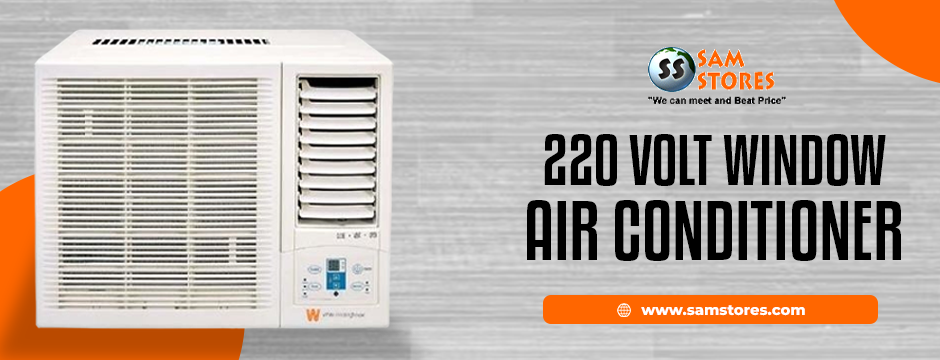
220 Volt Air Conditioner

Stabilizer Requirements and Surge Protection

Many people skip stabilizers, assuming modern ACs are surge-proof. However, frequent voltage dips or surges can still harm sensitive electronic components. Choose a stabilizer with the following features:

  • Input range: 170–270 V
  • Low/high voltage cut-off
  • Thermal overload protection
  • Suitable wattage (typically 1.5 ton AC ≈ 4–5 kVA stabilizer)

Adding a surge protector or line conditioner further safeguards against lightning strikes or grid fluctuations. It’s a small investment that protects an expensive appliance.

Regular Maintenance for Optimal Performance

Installation is just the beginning. Keeping your 220 volt air conditioner efficient requires consistent maintenance.

  • Clean filters every two weeks during heavy use.
  • Check the drain pan to prevent water buildup.
  • Inspect coils for dust or corrosion every six months.
  • Schedule a professional servicing at least once a year to check refrigerant levels and electrical connections.

Well-maintained units use less electricity, cool faster, and last longer.

Professional Help vs. DIY: What’s Right for You?

While DIY installation videos make it look easy, 220 V systems demand caution. Incorrect wiring, loose grounding, or improper tilt can cause expensive damage. Professional installers not only mount the AC safely but also ensure optimal electrical compatibility with your building’s setup.

At Sam Stores, we work with trusted technicians who understand local construction nuances and electrical standards. Our team ensures every 220 volt window AC you purchase is installed with precision, tested for voltage stability, and optimized for your room’s layout. This professional attention protects your investment and gives you long-term reliability.

Why Choose a 220 V Window AC from Sam Stores

Sam Stores is known for offering genuine, energy-efficient air conditioners built for lasting comfort. Our 220 V models are tested for Indian power conditions and come with modern features such as:

  • Inverter-based cooling for energy savings
  • Anti-bacterial and dust filters
  • Smart temperature sensors for consistent comfort
  • Easy installation kits with user-friendly manuals

More importantly, we help you choose the right unit size and provide after-sales support that ensures a worry-free experience. Whether you need a compact 0.75 ton AC for a study room or a powerful 2 ton model for your living area, you’ll find the perfect fit at Sam Stores.

Final Thoughts: Cool Comfort Without the Compromise

Installing a 220 volt air conditioner in an older building doesn’t have to be complicated or risky. With careful planning, a few professional checks, and the right stabilizer and mounting, your home can enjoy reliable cooling even during the hottest days.

The most common installation mistakes—loose mounting, poor ventilation, and inadequate wiring—can all be avoided by following the steps in this guide. Remember, safety and efficiency go hand in hand. If you’re unsure at any stage, rely on a certified technician or reach out to the team at Sam Stores for expert advice.

Choosing the right 220 volt window AC is about more than comfort—it’s about smart energy use, reliable performance, and lasting value. With Sam Stores, you can rest assured your next cooling solution will deliver all three.

Ready to upgrade your home comfort?

Visit Sam Stores today to explore our latest range of high-efficiency 220 volt window AC units and accessories. Cool smarter, live better, and enjoy every season in total comfort.